2. Coppia di avviamento richiesta
3. Perché il controllo della velocità tramite VFD migliora la rettifica
4. Calcolo della potenza del motore del mulino
5. S1 Declassamento per servizio continuo e termico
6. Specifiche YVF2 per azionamenti per mulini
7. Applicazioni dei mulini a sfere e dei mulini di macinazione
8. Domande frequenti
1. Velocità critica e velocità operativa del mulino a sfere
La velocità critica di un mulino a sfere è la velocità di rotazione alla quale la forza centrifuga che agisce sul materiale di macinazione (le sfere) eguaglia la forza gravitazionale, causando la rotazione delle sfere con il guscio del mulino anziché il loro rotolamento e caduta libera sul materiale in esame. Alla velocità critica non si verifica alcuna azione di macinazione: le sfere sono ancorate al guscio e il materiale ruota come un corpo rigido. Tutti i mulini a sfere devono operare al di sotto della velocità critica.
dove D = diametro interno del mulino in metri
Esempio: mulino a sfere con diametro di 1,2 m:
Nc = 42,3 / √1,2 = 42,3 / 1,095 = 38,6 giri/min
Esempio: mulino a sfere con diametro di 3,0 m:
Nc = 42,3 / √3,0 = 42,3 / 1,732 = 24,4 giri/min
Mulini a sfere per macinazione a secco: 70–80% di Nc
Mulini SAG: 75–85% di Nc
1,2 m mill a 70% Nc: 38,6 × 0,70 = 27,0 giri/min
3,0 m mill a 72% Nc: 24,4 × 0,72 = 17,6 giri/min
Il variatore di frequenza (VFD) consente di regolare la velocità operativa in tempo reale da 60% a 80% Nc per ottimizzare l'adattamento alla variazione della durezza del minerale o al prodotto desiderato.
La velocità dell'albero di uscita del motore e del riduttore del mulino deve corrispondere al numero di giri al minuto richiesto per il funzionamento del mulino. Con un variatore di frequenza (VFD), la frequenza del motore (e quindi la velocità del mulino) è regolabile in modo continuo, consentendo all'operatore di ottimizzare la percentuale di velocità critica per il minerale effettivamente macinato. Senza un VFD, il mulino funziona a una frazione fissa della velocità critica determinata dal rapporto di trasmissione fisso: accettabile per operazioni con un singolo minerale, ma poco flessibile per impianti di lavorazione di minerali con minerali di diversa composizione.
2. Coppia di avviamento richiesta per gli azionamenti dei mulini a sfere
Quando un mulino a sfere viene arrestato con un carico completo di sfere di macinazione e minerale, le sfere si depositano e si compattano nel punto più basso del guscio del mulino. L'attrito statico tra le sfere e il rivestimento del mulino, combinato con il carico gravitazionale del carico depositato, crea un fabbisogno di coppia di avviamento molto elevato, in genere da 2,0 a 2,5 volte la coppia nominale di funzionamento. Questa coppia di avviamento deve essere fornita senza danneggiare l'avvolgimento del motore a causa di una corrente di avviamento eccessiva.
Quando il motore YVF2 è azionato da un inverter con funzione di incremento di coppia o controllo vettoriale, l'inverter può erogare una coppia di avviamento pari a 1,5-2 volte la coppia nominale a velocità zero senza superare la corrente nominale del motore. Ciò si ottiene aumentando il flusso magnetico del motore (attraverso un rapporto V/Hz più elevato a bassa frequenza) per produrre una coppia aggiuntiva durante la sequenza di avviamento. L'avvolgimento di classe H dell'YVF2 gestisce questo flusso magnetico elevato a bassa velocità senza sollecitazioni di isolamento. Il controllo vettoriale senza sensori tramite inverter offre il controllo della coppia di avviamento più preciso per le applicazioni con mulini a sfere.
3. Perché il controllo della velocità tramite VFD migliora l'efficienza della rettifica
I minerali più duri richiedono che la carica di sfere cada da un angolo maggiore, il che significa lavorare a una percentuale più elevata della velocità critica (dal 72 al 78% Nc per i minerali duri). I minerali più teneri vengono macinati in modo più efficiente a velocità inferiori (dal 62 al 68% Nc). Un mulino a velocità fissa impostato per minerali duri funziona a velocità eccessiva (e con un consumo energetico eccessivo) quando lavora minerali più teneri. L'azionamento a frequenza variabile (VFD) consente all'operatore di ridurre la velocità del mulino durante i periodi di lavorazione di minerali più teneri, risparmiando dal 10 al 20% di energia del motore del mulino.
Far funzionare il mulino a una velocità superiore a quella ottimale per il tipo di minerale provoca impatti più forti del necessario su sfere e rivestimenti, accelerandone l'usura. Una riduzione di 5% della velocità del mulino rispetto alla velocità ottimale per un dato minerale può ridurre il consumo di sfere da 8 a 12% e l'usura dei rivestimenti da 5 a 8%, estendendo gli intervalli di manutenzione e riducendo i costi dei materiali di consumo. La regolazione del variatore di frequenza alla velocità ottimale consente di ottenere questa riduzione dell'usura senza compromettere la produttività.
L'avviamento diretto in linea di motori di grandi dimensioni per mulini a sfere produce un'elevata corrente di spunto (da 5 a 7 volte la corrente nominale) e un forte shock meccanico al riduttore e al corpo del mulino durante la fase di avviamento. L'avviamento con inverter (VFD) porta il motore da zero alla velocità di esercizio in un intervallo compreso tra 5 e 15 secondi, eliminando la corrente di spunto e riducendo lo shock di coppia sul riduttore di 60-80%. Ciò prolunga la durata del riduttore e riduce la frequenza di danni agli ingranaggi e ai cuscinetti dovuti ad avviamenti bruschi.
4. Calcolo della potenza del motore del mulino a sfere
Lunghezza del mulino L = 1,5 m
Carica di sfere: 30% di volume del mulino
Densità delle sfere: 7.800 kg/m³ (acciaio)
Alimentazione F80 = 6.000 μm; Prodotto P80 = 150 μm
Indice di lavoro di legame Wi = 14 kWh/t (durezza media)
Portata di alimentazione: 2,0 t/h
W = 140 × 0,00775 = 1,085 kWh/t
Potenza del mulino = 1,085 × 2,0 t/h = 2,17 kW alla parete del mulino
Con un'efficienza di azionamento di 0,92: potenza del motore = 2,17 ÷ 0,92 = 2,36 kW
Con fattore di coppia di avviamento 2,5: potenza massima del motore = 5,9 kW
→ Selezionare YVF2 4 poli 3,0 kW IC416 (in funzione) con aumento di coppia VFD a 2,5× per l'avviamento
La formula di Bond fornisce una stima dell'energia di macinazione specifica per il dimensionamento del mulino. Per una selezione accurata del motore su mulini a sfere industriali di grandi dimensioni superiori a 30 kW, utilizzare il calcolo completo di Bond con fattori di correzione per il diametro del mulino, la granulometria del materiale in ingresso, la granulometria del prodotto e l'indice di lavorazione del minerale. Korea Ever-Power raccomanda di applicare un fattore di servizio di 1,25 alla potenza del motore calcolata per gli azionamenti a frequenza variabile dei mulini, al fine di tenere conto dell'incertezza del modello e della variabilità del processo.
5. S1 Funzionamento continuo e considerazioni termiche
I mulini a sfere industriali utilizzati nell'industria del cemento, mineraria e della lavorazione dei minerali funzionano tipicamente in regime S1 continuo per 20-24 ore al giorno, fermandosi solo per gli intervalli di manutenzione programmati (in genere settimanali o bisettimanali) e per gli arresti dovuti alla sostituzione del rivestimento. Il motore YVF2 deve essere dimensionato per il funzionamento continuo in regime S1 nel punto di esercizio, ovvero alla potenza di funzionamento del mulino alla percentuale di velocità critica prescelta. Il ventilatore IC416 garantisce il mantenimento di questo valore S1 a qualsiasi velocità compresa tra 40% e 100% della velocità nominale.
Le applicazioni minerarie ad alta quota (molte miniere in Sud America e Africa si trovano tra i 2.000 e i 4.500 m) richiedono una riduzione della potenza del motore a causa della minore densità dell'aria di raffreddamento. A 2.500 m di altitudine, la densità dell'aria è circa 74% rispetto al livello del mare, riducendo la capacità di raffreddamento del motore. Riduzione di potenza standard IEC: applicare un fattore di potenza di 0,92 ogni 1.000 m al di sopra dei 1.000 m. A 3.000 m: ridurre la potenza di 1 − (2 × 0,08) = 0,84 della potenza nominale. Specificare un telaio YVF2 più grande per compensare la riduzione di potenza dovuta all'altitudine, oppure specificare il motore alla potenza ridotta come potenza nominale continua S1 per l'altitudine di installazione.
6. Specifiche Ever-Power YVF2 coreane per azionamenti per mulini
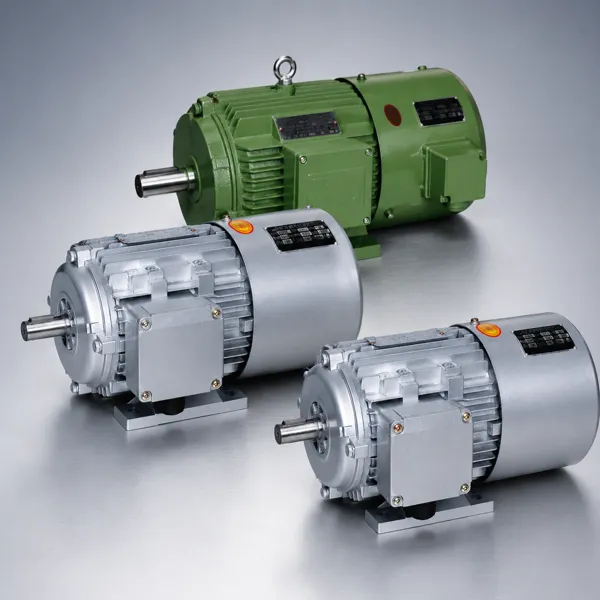
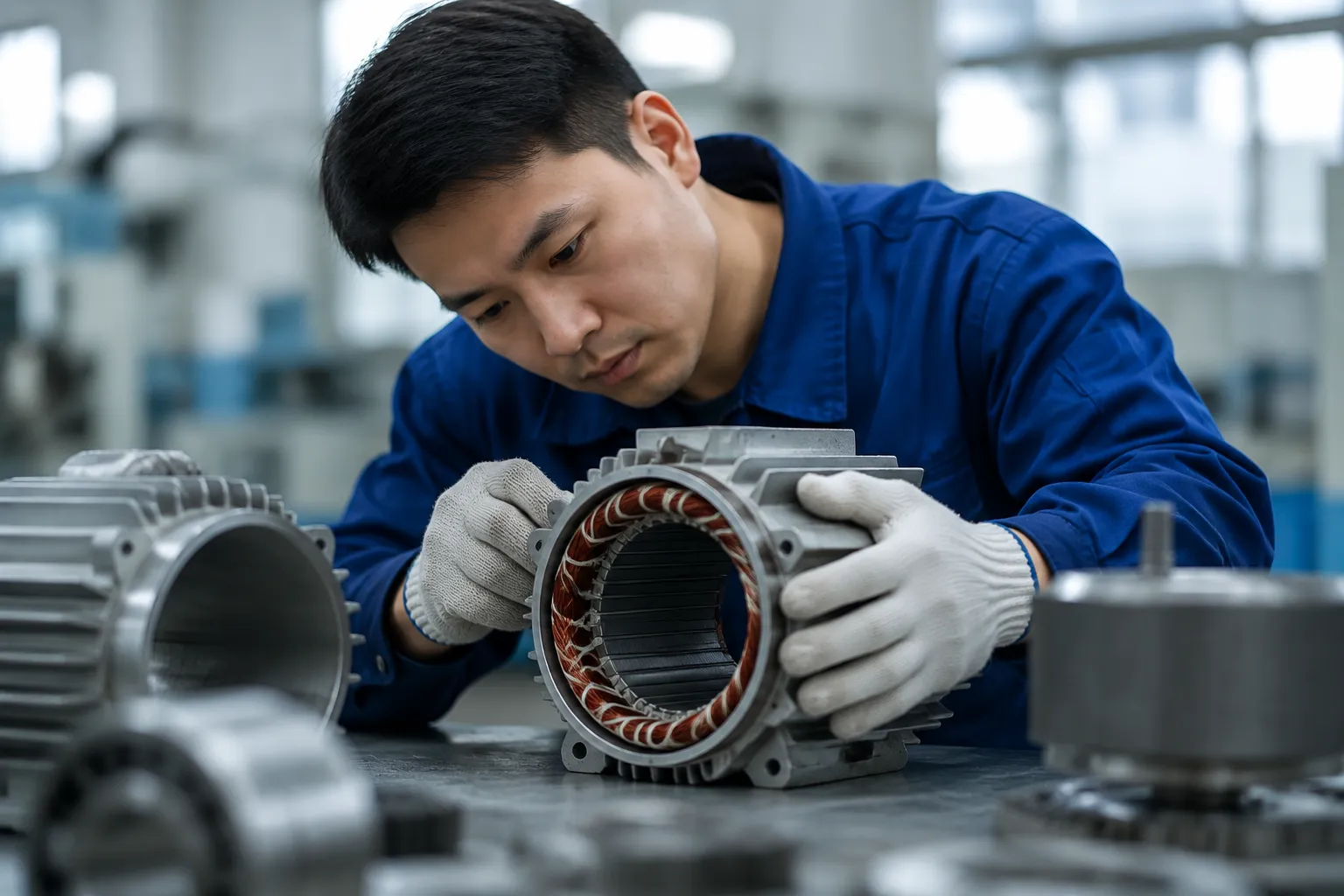
La serie YVF2 di Ever-Power Korea offre le specifiche complete per motori a inverter per azionamenti VFD di mulini a sfere, mulini a barre e mulini di macinazione, dai piccoli mulini da laboratorio da 0,75 kW fino ai mulini di medie dimensioni per la lavorazione di cemento e minerali da 200 kW. Il sistema di raffreddamento forzato IC416, l'avvolgimento di classe H per azionamenti VFD, la compatibilità con il controllo vettoriale senza sensori, la protezione con termistore PTC e il telaio metrico IEC 72-1 rendono l'YVF2 il sostituto ideale per i motori a velocità fissa esistenti che vengono convertiti con sistemi di azionamento VFD. La gamma completa è disponibile nel sezione motore VFDPer specifiche di azionamento di grandi dimensioni superiori a 200 kW o requisiti per motori sincroni, contattare Corea Ever-Power.
| Gamma di potenza | 0,75–200 kW |
| Gamma di velocità | 0–120 Hz |
| Raffreddamento | Soffiatore forzato IC416 |
| Coppia di avviamento | 2,5× con boost VFD |
| Isolamento | Classe H VFD - servizio |
| Dovere | S1 continuo |
| Protezione | termistori PTC standard |
| Altitudine | Riduzione di potenza al di sopra dei 1.000 m |
7. Applicazioni dei mulini a sfere e dei mulini di macinazione
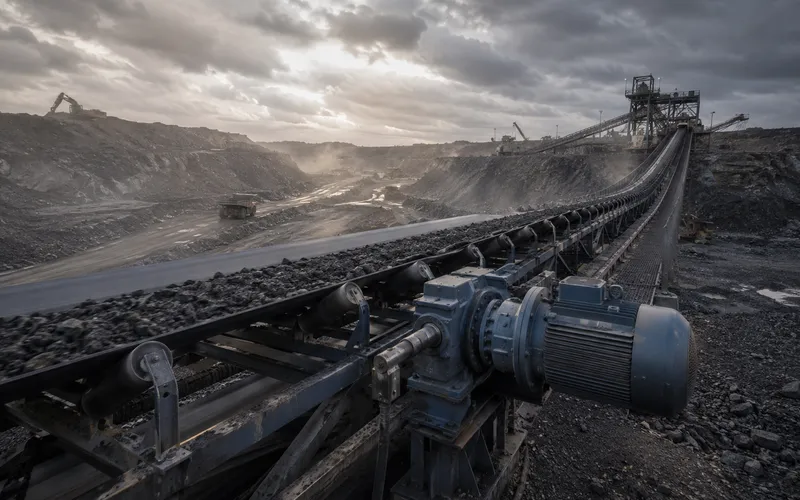
Mulino a sfere per la lavorazione dei minerali
Mulini a sfere per la lavorazione di oro, rame e minerale di ferro con diametro da 0,9 m a 3,0 m. Motore YVF2 a 4 poli da 7,5 a 132 kW IC416 con riduttore da 10:1 a 30:1. Funzionamento a velocità critica da 65 a 75% tramite regolazione VFD. Funzionamento continuo S1 da 20 a 24 ore al giorno. Termistori PTC obbligatori per il funzionamento senza presidio 24 ore su 24. Riduzione di potenza per altitudine applicata per siti minerari ad alta quota superiori a 2.000 m. |
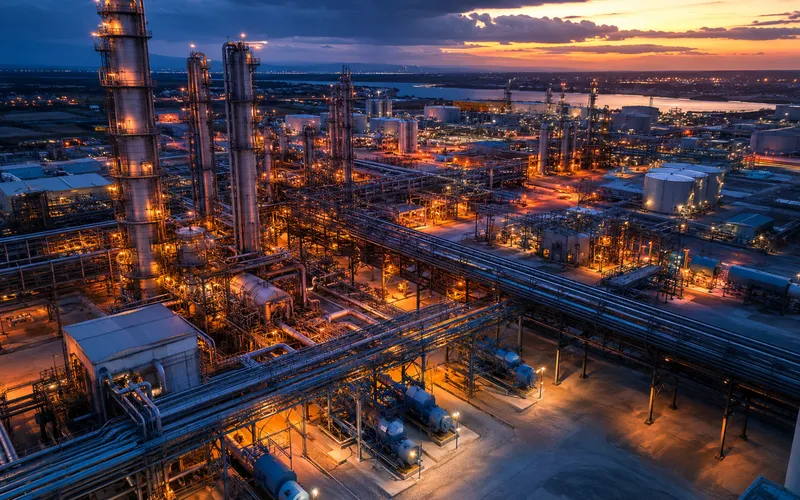
Ammodernamento del sistema di azionamento a frequenza variabile (VFD) per mulino a sfere per cemento.
Ammodernamento dei mulini per la macinazione del cemento con azionamenti a velocità fissa esistenti dotati di inverter per l'ottimizzazione della velocità e l'avviamento graduale. Il motore YVF2 a 4 poli da 45 a 200 kW IC416 sostituisce i motori standard esistenti. L'inverter consente un risparmio energetico dal 5 al 12% ottimizzando la velocità del mulino per diverse miscele di cemento. Il sistema di ingranaggi e pignone esistente viene mantenuto; vengono sostituiti solo il motore e il quadro di controllo. L'inverter vettoriale senza sensori è tarato sull'inerzia del mulino per una coppia di avviamento ottimale. |
Piccoli mulini a sfere per uso farmaceutico e di ricerca per la riduzione delle dimensioni delle particelle di principi attivi farmaceutici (API). Modello YVF2 a 4 poli, da 0,75 a 3,0 kW, con motore IC416. Controllo preciso della velocità con tolleranza di ± 0,5 giri/min per una distribuzione riproducibile delle dimensioni delle particelle. Motore compatibile con camere bianche, se necessario (BXG SS316L per installazione in aree GMP farmaceutiche).
Mulini a umido per la macinazione di materie prime ceramiche, di allumina e porcellana, destinati alla produzione di piastrelle e sanitari. Modello YVF2 a 4 poli, da 5,5 a 55 kW. Macinazione a umido da 68 a 721 Nc (T10T3T). Regolazione della velocità per diverse formulazioni di impasti ceramici che richiedono differenti livelli di finezza di macinazione. Grado di protezione IP55 per ambienti di lavoro adibiti alla macinazione a umido.
Macinazione di pigmenti ceramici, biossido di titanio e ossido di ferro per la produzione di vernici e inchiostri. YVF2 a 4 poli da 2,2 a 22 kW. Controllo preciso della velocità per ottenere la granulometria desiderata. Per la macinazione di pigmenti a base solvente, specificare YB2 Ex d IIB T4 per la classificazione Zona 2 nelle aree di utilizzo di pigmenti a base solvente.
Mulini a barre per la macinazione grossolana nei circuiti di lavorazione dei minerali prima della macinazione secondaria con mulino a sfere. Requisiti di azionamento simili a quelli dei mulini a sfere: YVF2 4 poli da 15 a 132 kW IC416, controllo VFD da 60 a 70% Nc. I mulini a barre hanno in genere una velocità operativa inferiore rispetto ai mulini a sfere dello stesso diametro a causa del rischio di groviglio delle barre ad alta velocità.


8. Domande frequenti
A cura di Cxm