2. Biogas- und H₂S-Gasgruppenklassifizierung
3. Klassifizierung der anaeroben Faulturmzone
4. Schlammbereich IP55 und Korrosionsschutz
5. H₂S-Angriff auf Standard-Motorbeschichtungen
6. YB2 für Abwasserbehandlungsanwendungen
7. Anwendungen in der Abwasserbehandlung
8. Häufig gestellte Fragen
1. Gefahrenzonen für Gase in Kläranlagen
Eine moderne Kläranlage verfügt über mehrere unterschiedliche Bereiche mit verschiedenen Gefahren durch gefährliche Gase. Nicht jeder Bereich der Anlage benötigt explosionsgeschützte Motoren – die Belüftungsbecken, Nachklärbecken und Dosieranlagen einer typischen kommunalen Kläranlage arbeiten unter nicht klassifizierten Bedingungen –, aber die Bereiche, die Biogas, Klärschlamm und Industrieabwasser behandeln, erfordern eine sorgfältige Gefahrenbereichsklassifizierung.
Die Innenräume von Biogasanlagen, Biogasspeichern, Biogasleitungen und Bereiche im Umkreis von 1 m um Biogasventile und -armaturen sind geschützt. Biogas besteht hauptsächlich aus Methan (60 bis 701 µg/m³) mit CO₂ und Spuren von H₂S. Methan ist in die Klasse IIA (Selbstentzündungstemperatur 537 °C) eingestuft. Das Biogasgemisch ist aufgrund des H₂S-Gehalts in die Klasse IIB eingestuft. Alle Motoren in Zone 1 der Biogasanlage müssen der Schutzart YB2 Ex d IIB T4 entsprechen. Dies umfasst die Antriebe der Biogaskompressoren, der Mischpumpen und aller im Biogasgebäude installierten elektrischen Geräte.
Der Bereich außerhalb des Fermentergebäudes innerhalb von 3 m um jegliche Lüftungsöffnungen, Wartungsklappen oder Rohreinführungen wird üblicherweise als Zone 2 bezeichnet. Biogas kann in dieser Randzone bei Wartungsarbeiten, Störungen im Lüftungssystem oder geringfügigen Gasleckagen an Flanschverbindungen auftreten. Außenmotoren in den Randbereichen der Zone 2 müssen der Norm YB2 Ex d IIB T4 oder einer gleichwertigen, für Zone 2 zertifizierten Norm entsprechen – Standardmotoren der Norm Y2 sind selbst in Außenbereichen der Zone 2 nicht zulässig.
Schwefelwasserstoff wird aus Klärschlamm in Konzentrationen freigesetzt, die typischerweise unterhalb der Explosionsgrenze (UEG 4% in Luft), aber oberhalb der Geruchsschwelle und oberhalb des Wertes liegen, der Kupfer-, Silber- und Eisenbeschichtungen aggressiv angreift. Klärschlammeindickungsanlagen, Entwässerungsgebäude und Klärschlammtrocknungsbecken gelten möglicherweise nicht als explosionsgefährdete Bereiche (sofern die H₂S-Konzentrationen unter 25% UEG bleiben). Dennoch müssen alle Motoren in diesen Bereichen mit H₂S-beständigen Beschichtungen und abgedichteten Anschlusskästen ausgestattet sein, um eine schnelle Korrosion der elektrischen Bauteile zu verhindern.
2. Biogas- und H₂S-Gasgruppenklassifizierung
LEL: 5% v/v in Luft
UEL: 15% v/v
Selbstentzündung: 537°C
T-Klasse erforderlich: T1
YB2 IIB T4: deckt IIA ab
LEL: 4% v/v in Luft
UEL: 46% v/v
Selbstentzündung: 260°C
T-Klasse erforderlich: T3
YB2 IIB T4: Abdeckungen IIB T3
Der H₂S-Gehalt treibt die Gruppe zu IIB
T-Klasse: T3 für H₂S-Komponente
YB2 IIB T4 deckt alle Biogasanlagen ab
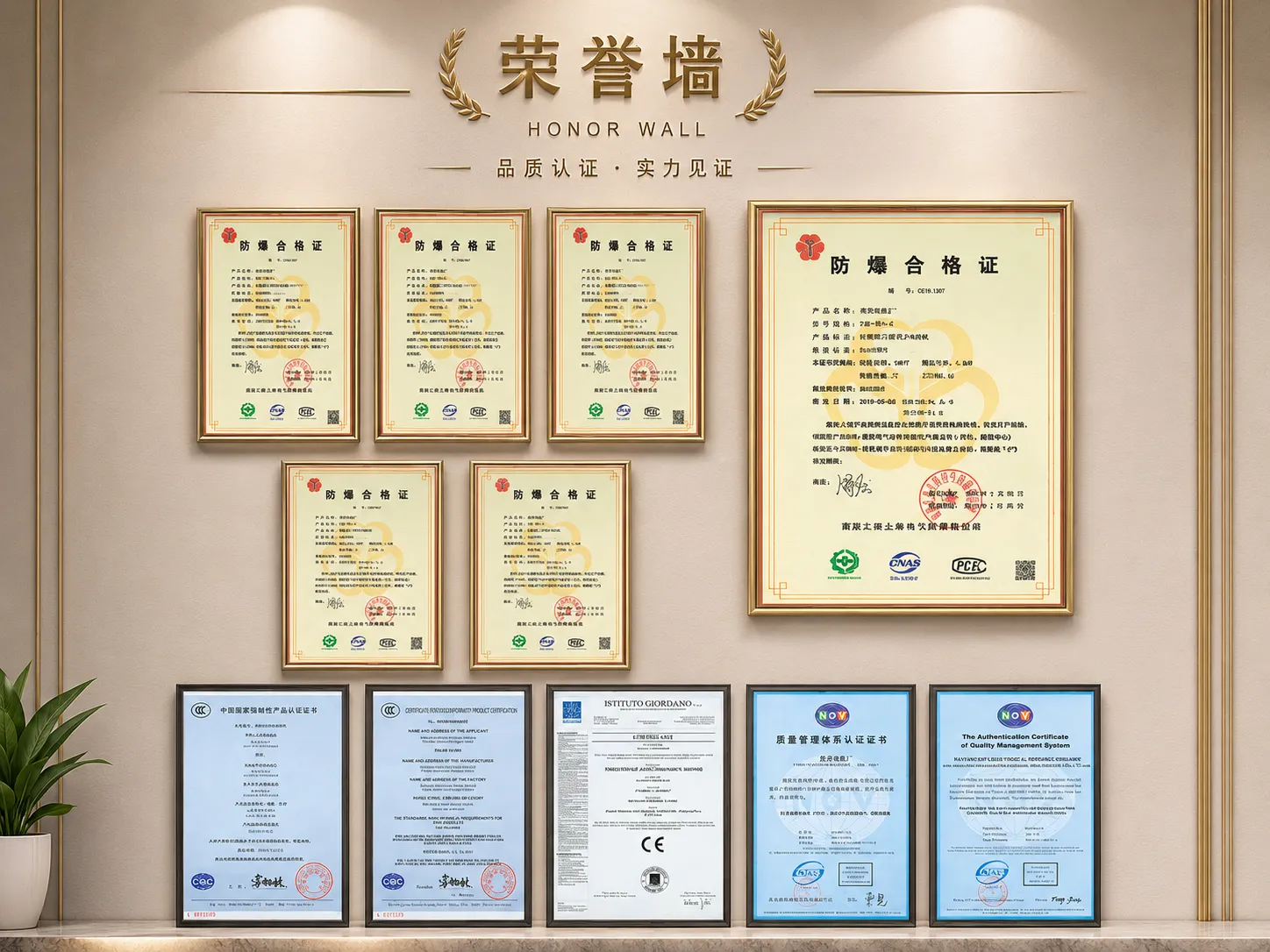
ATEX- und IECEx-zertifiziert
3. Anaerobe Faulturmzonenklassifizierung in der Praxis
Ein überdachtes Fermentergebäude (üblich in kalten Klimazonen, wo der Fermenter vor Frost geschützt werden muss) ist im gesamten Innenraum als Zone 1 eingestuft, da sich Biogas bei Ausfall der Belüftung oder während Wartungsarbeiten am Fermenter in explosionsgefährlichen Konzentrationen innerhalb der Gebäudehülle ansammeln kann. Alle Motoren im Fermentergebäude – Schlammumwälzpumpen, Antriebe für Mischpumpen, Gaskompressoren und Wärmetauscherpumpen – müssen der Schutzart YB2 Ex d IIB T4 entsprechen. Diese elektrische Schutzart gilt auch für Motoren in Fluren und Servicebereichen innerhalb des Gebäudes.
Eiförmige oder zylindrische Fermenter mit schwimmender Gasabdeckung haben Zone 1 oberhalb der Gasabdeckung und innerhalb von 1 m um das Gasentlastungsventil, den Gasauslassanschluss und die Füllstandsmessanschlüsse. Zone 2 erstreckt sich 1 bis 3 m über die Grenze von Zone 1 hinaus. Jeder externe Rührwerksmotor, der an der Fermenterwand oder am Dach innerhalb der Zone 1 montiert ist, muss der Schutzart YB2 Ex d IIB T4 entsprechen. Externe Rührwerksantriebe an der Fermenterwand dürfen sich in Zone 2 befinden, wenn ihr Montageort mehr als 1 m von einem Gasauslass entfernt ist; dies ist anhand der Zeichnung zur Gefahrenbereichseinstufung für die jeweilige Fermenterkonstruktion zu überprüfen.
4. Schlammpumpenbereich IP55 und Korrosionsschutz
Schlammbehandlungsbereiche außerhalb der klassifizierten Biogaszonen stellen weiterhin eine anspruchsvolle Umgebung für Motoren dar: Die Installation erfolgt im Freien und ist Regen und der Reinigung mit Wasserspritzen ausgesetzt; die H₂S-Atmosphäre weist Konzentrationen unterhalb der unteren Explosionsgrenze (UEG) auf, die jedoch stark korrosiv sind (1 bis 50 ppm H₂S); zudem werden Betonoberflächen regelmäßig mit Wasser abgespritzt, das Schlamm und Behandlungschemikalien enthält. IP55 ist die Mindestschutzart, und eine korrosionsbeständige Beschichtung ist für Motoren in diesen Bereichen unerlässlich, selbst wenn keine Explosionsschutzzertifizierung erforderlich ist.
Schlammpumpstationen, Eindickerantriebe, Entwässerungspressenantriebe und Zentrifugenantriebe in Schlammbehandlungsanlagen im Freien benötigen mindestens Schutzart IP55. Bei der regelmäßigen Reinigung von Betonoberflächen und Anlagen mit Wasserstrahlen werden die Motorgehäuse getroffen. Der Schutz nach IP55 gegen Strahlwasser verhindert das Eindringen von Wasser, das in der H₂S-haltigen Atmosphäre zu einer Beschädigung der Isolierung führen würde.
Gusseisengehäuse (Standard bei YB2 Ex d-Motoren ab IEC 112) sind beständiger gegen H₂S-Korrosion als lackierte Aluminiumgehäuse, die bei Standard-Y2-Motoren bis IEC 100 verwendet werden. Wird die Lackierung beschädigt – beispielsweise durch mechanische Einwirkung oder UV-Strahlung –, oxidiert das freiliegende Aluminium, und H₂S beschleunigt die Korrosion. Das YB2-Gusseisengehäuse mit seewasserbeständiger Epoxidgrundierung und Polyurethan-Decklack bietet eine deutlich längere Lebensdauer in H₂S-haltigen Umgebungen.
Schwefelwasserstoff (H₂S) greift Kupferkabelanschlüsse und Messing-Kabelverschraubungen schnell an. Es bilden sich Kupfersulfidablagerungen auf den Anschlussflächen, was den Kontaktwiderstand erhöht und zu einer Überhitzung der Verbindung führen kann. Die abgedichtete IP55-Anschlussdose YB2 verhindert das Eindringen von H₂S und dessen Angriff auf die Anschlüsse. Verwenden Sie verzinnte Kupfer- oder Edelstahl-Anschlussklemmen, wenn H₂S-Konzentrationen über 10 ppm zu erwarten sind.
5. H₂S-Angriff auf Standard-Motorbeschichtungen
Die wirtschaftlichen Vorteile des Einsatzes von YB2 in H₂S-haltigen Abwasserumgebungen sind überzeugend, selbst wenn kein Explosionsschutz technisch erforderlich ist. Die 2- bis 3-fach längere Lebensdauer des YB2-Gusseisenmotors im Vergleich zu einem Standard-Y2-Aluminiummotor in H₂S-Atmosphäre führt bereits im ersten Austauschzyklus zu Einsparungen bei den Austausch- und Arbeitskosten, die die höheren Anschaffungskosten des YB2 übersteigen.
6. Korea Ever-Power YB2 für die Abwasserbehandlung
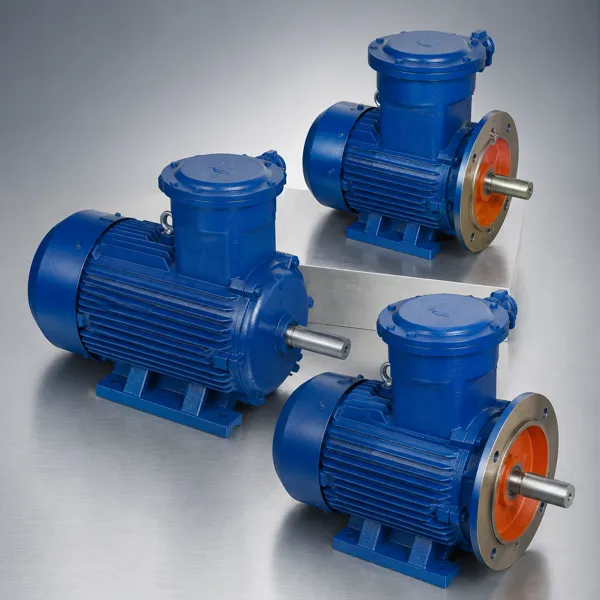
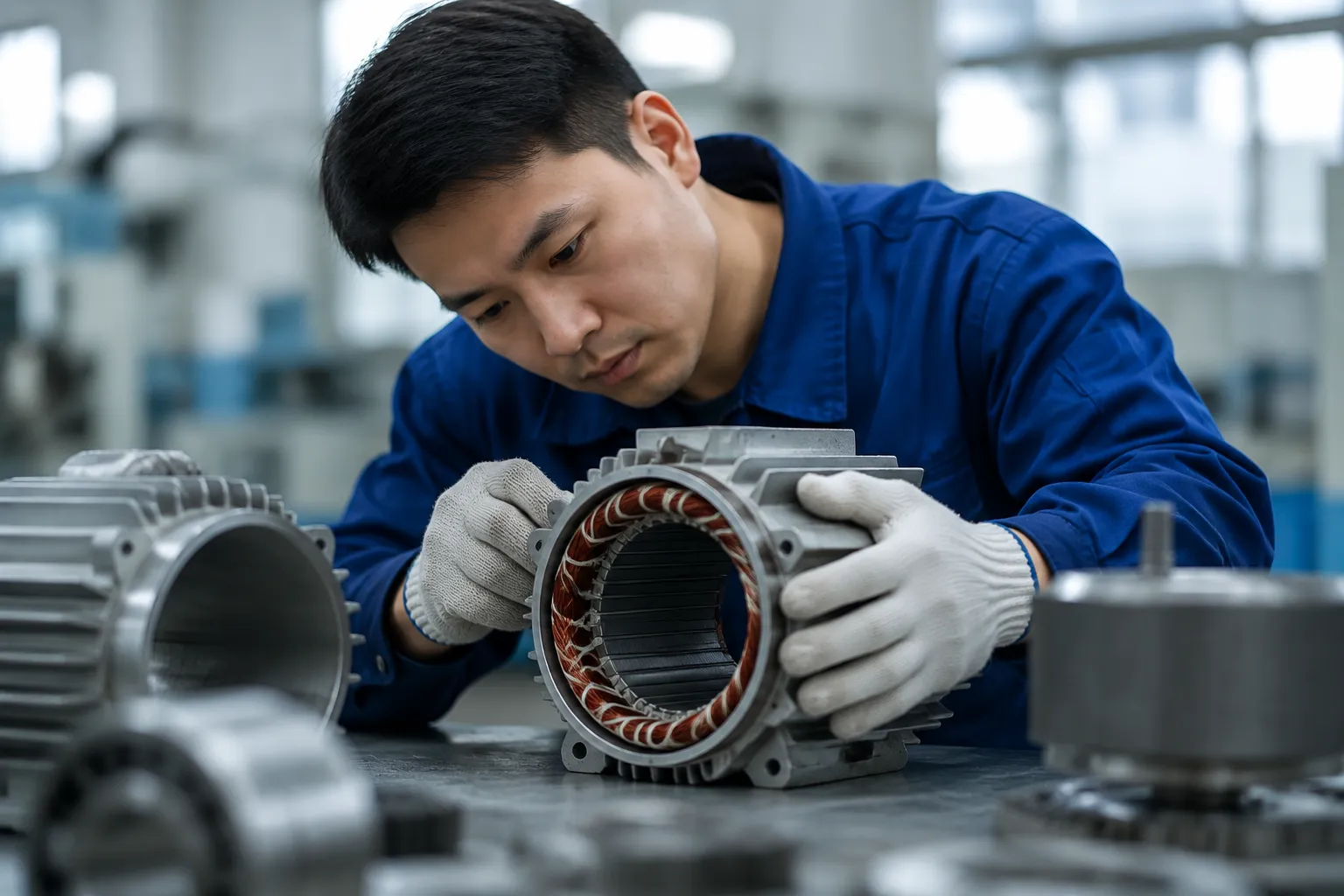
Der Korea Ever-Power YB2 Ex d IIB T4 bietet eine einzige Motorspezifikation, die sowohl den Explosionsschutz der Zone 1/2 für Biogasanlagen als auch die in H₂S-Schlammbehandlungsanlagen erforderliche hohe Korrosionsbeständigkeit abdeckt. Das IP55-Gehäuse aus Gusseisen widersteht H₂S-Korrosion und ermöglicht Lebensdauern von über 10 Jahren in Abwasserumgebungen. Die Ex d IIB T4-Zertifizierung deckt sowohl Methan (IIA) als auch Schwefelwasserstoff (IIB) mit einem einzigen Motortyp ab und vereinfacht so die Motorspezifikation und die Ersatzteilhaltung in der gesamten Kläranlage. Die komplette YB2-Baureihe ist erhältlich bei [Name der Firma/des Unternehmens einfügen]. explosionsgeschützter MotorbereichFür Spezifikationen von Pumpen und Gebläsemotoren für große Kläranlagen mit einer Leistung über 75 kW wenden Sie sich bitte an uns. Korea Ever-Power.
| Zertifizierung | ATEX + IECEx Ex d IIB T4 |
| Gasabdeckung | Methan IIA + H₂S IIB |
| Zoneneignung | Zone 1 und Zone 2 |
| Rahmen | Gusseisen (H₂S-beständig) |
| IP-Schutzart | IP55 |
| Beschichtung | Marine-Epoxidharz + Polyurethan |
| Leistungsbereich | 0,55–200 kW |
| Oberflächentemperatur | T4 = maximal 135 °C |
7. Anwendungen in Kläranlagen
Mischung und Gashandhabung in anaeroben Faultürmen
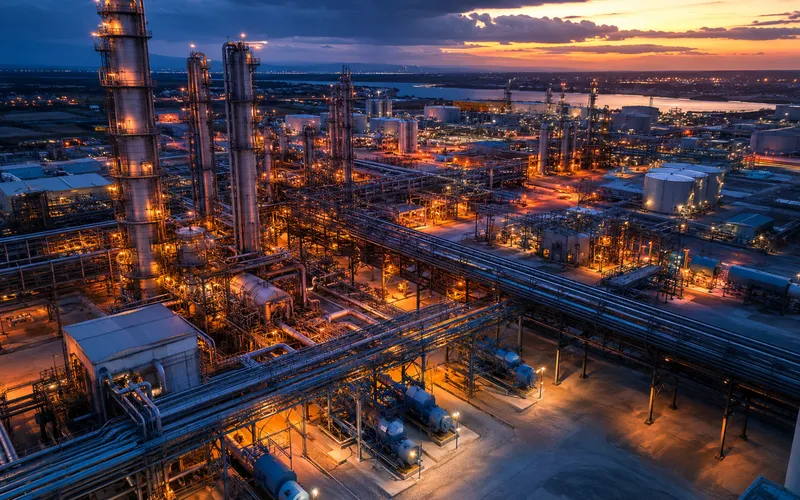
Antriebe für die Schlammumwälzpumpen (5,5 bis 22 kW, Zone 1), die Biogas-Umwälzkompressoren (7,5 bis 30 kW, Zone 1), die Gasmischdüsenpumpen (3,0 bis 11 kW, Zone 1) und die Wärmetauscherpumpen (1,5 bis 7,5 kW, Zone 1 oder 2) müssen der Norm YB2 Ex d IIB T4 entsprechen. In Faulturmgebäuden mit mechanischer Belüftung fallen die Lüftermotoren, sofern sie im Gebäudeinneren montiert sind, ebenfalls in Zone 1 und müssen YB2-zertifiziert sein. |
Schlammbehandlung und Entwässerung
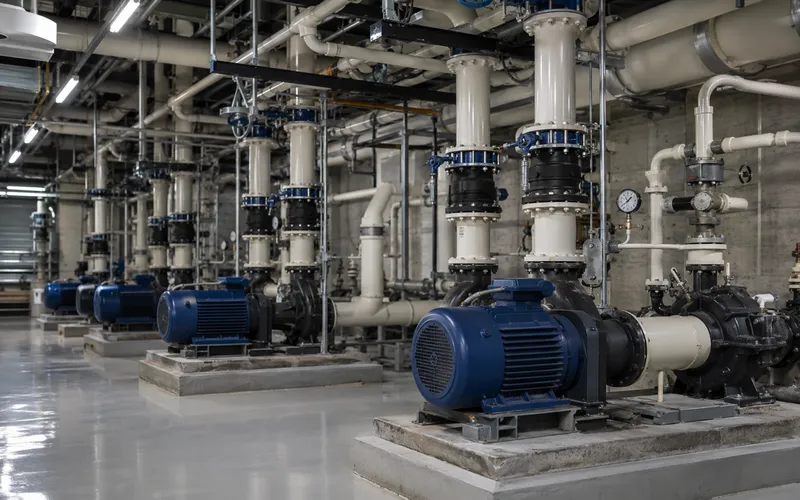
Antriebe für Rohschlammpumpen (3,0 bis 22 kW), Eindicker-Rechenantriebe (0,75 bis 5,5 kW), Förderpumpen für Bandpressen und Zentrifugen (2,2 bis 15 kW) sowie Schlammkuchenförderer (0,55 bis 3,0 kW). Diese Bereiche sind möglicherweise nicht explosionsgefährdet, erfordern jedoch eine H₂S-beständige Beschichtung und die Schutzart IP55. YB2 bietet als einheitliche Motorenspezifikation sowohl Explosionsschutz als auch Korrosionsbeständigkeit für die gesamte Anlage. |
Antriebe für Kühlwasserpumpen und Lüfter des Biogas-Blockheizkraftwerks (BHKW). Der Maschinenraum befindet sich in Zone 1 innerhalb des Biogas-Motorgehäuses und in Zone 2 außerhalb des Maschinenraumbereichs. Die Antriebe für Kühlwasserpumpen und Lüfter innerhalb des Maschinenraums haben eine Leistung von 1,5 bis 11 kW (YB2).
Biomethanaufbereitungsanlagen (Druckwechselabsorption oder Membrantrennverfahren) komprimieren Biogas auf Einspeisequalität. Die Kompressormotorantriebe sowie alle Hilfspumpen- und Lüfterantriebe im Gasaufbereitungsgebäude fallen unter Zone 1. YB2 5,5 bis 55 kW für Kompressor-Hilfsantriebe.
Industrielle Abwasserbehandlung von VOC-belastetem Abwasser aus Chemie-, Lebensmittel- oder Pharmaanlagen. Enthält das Abwasser im Kopfraum des Behandlungsbehälters brennbare VOC über 251 µl TP3T UEG, gilt die Zoneneinteilung (Zone 1 oder Zone 2). Alle Motoren in diesen Zonen unterliegen der Schutzart YB2 IIB T4.
Antriebe für Siebförderer, Sandfangmaschinen und Siebverdichter im Einlaufbereich der Kläranlage. Sie sind H₂S aus dem einfließenden Abwasser ausgesetzt; die Anlagen sind nicht explosionsgefährdet, jedoch in korrosiver Umgebung. Für die Antriebe im Einlaufbereich werden YB2-Motoren (0,55 bis 3,0 kW) anstelle der Standardmotoren Y2 verwendet, um eine längere Lebensdauer zu gewährleisten.

8. Häufig gestellte Fragen
Bearbeitet von Cxm