2. Klasifikácia skupín bioplynu a H₂S plynov
3. Klasifikácia zón anaeróbneho digestora
4. Krytie IP55 a ochrana proti korózii v oblasti kalov
5. Útok H₂S na štandardné nátery motorov
6. YB2 pre aplikácie čistenia odpadových vôd
7. Aplikácie čistenia odpadových vôd
8. Často kladené otázky
1. Zóny nebezpečných plynov čistiarne odpadových vôd
Moderná čistiareň odpadových vôd má niekoľko odlišných oblastí s rôznymi rizikami nebezpečných plynov. Nie každá oblasť čistiarne vyžaduje motory v nevýbušnom prevedení – prevzdušňovacie nádrže, čističe a oblasti dávkovania chemikálií štandardnej čistiarne odpadových vôd pracujú v neklasifikovaných podmienkach – ale oblasti manipulujúce s bioplynom, kalmi a priemyselnými odpadovými vodami si vyžadujú starostlivú klasifikáciu nebezpečných oblastí.
Interiéry budov anaeróbneho digestora, interiéry balónov na skladovanie bioplynu, galérie potrubí na bioplyn a oblasti do 1 m od zoskupení ventilov a montážnych prvkov bioplynu. Bioplyn je prevažne metán (60 až 70%) s CO₂ a stopami H₂S. Metán je klasifikovaný ako IIA (samovznietenie 537 °C). Kombinovaná zmes bioplynu je klasifikovaná ako IIB kvôli obsahu H₂S. Všetky motory v zóne 1 digestora musia byť YB2 Ex d IIB T4. Patria sem pohony motorov kompresorov bioplynu, motory miešacích čerpadiel digestora a akékoľvek elektrické zariadenia namontované v budove digestora.
Oblasť mimo budovy digestora do 3 m od akéhokoľvek vetracieho výstupu, prístupového otvoru alebo vstupu potrubia je typicky zóna 2. Bioplyn sa môže nachádzať v tejto obvodovej zóne počas údržbárskych prác, anomálií vetracieho systému alebo menších únikov plynu z prírubových spojov. Vonkajšie motory v obvodových oblastiach zóny 2 musia byť YB2 Ex d IIB T4 alebo ekvivalentné motory s certifikátom Zóny 2 – štandardné motory Y2 nie sú prijateľné ani vo vonkajších oblastiach Zóny 2.
Sírovodík sa uvoľňuje z kalu v koncentráciách, ktoré sú typicky pod hranicou výbušnosti (DMV 4% vo vzduchu), ale nad prahom toxického zápachu a nad úrovňou, ktorá agresívne napáda povlaky na báze medi, striebra a železa. Oblasti zahusťovania kalu, odvodňovacie budovy a sušiarne kalu nemusia byť klasifikované ako nebezpečné zóny z hľadiska rizika výbuchu (ak koncentrácie H₂S zostanú pod DMV 25%), ale všetky motory v týchto oblastiach musia byť vybavené povlakmi odolnými voči H₂S a utesnenými svorkovnicami, aby sa zabránilo rýchlej korózii elektrických komponentov.
2. Klasifikácia skupín bioplynu a H₂S plynov
LEL: 5% obj./obj. vo vzduchu
UEL: 15% v/v
Samovznietenie: 537 °C
Požadovaná trieda T: T1
YB2 IIB T4: zahŕňa IIA
LEL: 4% obj./obj. vo vzduchu
UEL: 46% v/v
Samovznietenie: 260 °C
Požadovaná trieda T: T3
YB2 IIB T4: zahŕňa IIB T3
Obsah H₂S vedie skupinu k IIB
Trieda T: T3 pre zložku H₂S
YB2 IIB T4 pokrýva všetok bioplyn
Certifikácia ATEX + IECEx
3. Klasifikácia zón anaeróbneho digestora v praxi
Krytá budova fermentora (bežná v chladnom podnebí, kde musí byť fermentor chránený pred zamrznutím) je v celom svojom interiéri klasifikovaná ako zóna 1, pretože bioplyn sa môže hromadiť v plášti budovy vo výbušných koncentráciách, ak zlyhá vetranie alebo počas prístupu k fermentoru v rámci údržby. Všetky motory vo vnútri budovy fermentora – recirkulačné čerpadlá kalu, pohony miešacích čerpadiel, pohony plynových kompresorov a pohony čerpadiel výmenníka tepla – musia byť v triede YB2 Ex d IIB T4. Elektrická klasifikácia platí aj pre motory na chodbách a v servisných priestoroch v rámci hraníc budovy.
Vajcovité alebo valcovité fermentory s plávajúcim krytom plynu majú zónu 1 nad krytom plynu a do 1 m od poistného ventilu plynu, prípojky na výstup plynu a prípojok na meranie hladiny. Zóna 2 sa rozprestiera od 1 do 3 m za hranicou zóny 1. Akýkoľvek externý motor miešadla namontovaný na stene alebo streche fermentora v rámci hranice zóny 1 musí byť YB2 Ex d IIB T4. Externé pohony miešadiel na stene fermentora môžu byť v zóne 2, ak je ich montážna poloha viac ako 1 m od akéhokoľvek výstupu plynu; overte si výkres klasifikácie nebezpečného prostredia pre konkrétnu konštrukciu fermentora.
4. Oblasť kalového čerpadla s krytím IP55 a ochranou proti korózii
Oblasti manipulácie s kalmi mimo klasifikovaných bioplynových zón stále predstavujú náročné prostredie pre motory: vonkajšia inštalácia vystavená dažďu a čisteniu hadicou; atmosféra H₂S s koncentráciami pod LEL, ale s agresívnym korozívnym účinkom (1 až 50 ppm H₂S); a pravidelné striekanie betónových povrchov vodou obsahujúcou kal a chemikálie na úpravu. Minimálny stupeň krytia je IP55 a pre motory v týchto oblastiach je nevyhnutný náter odolný voči korózii, aj keď sa nevyžaduje certifikácia ochrany proti výbuchu.
Čerpacie stanice kalu, pohony zahusťovadiel, pohony odvodňovacích lisov a pohony odstrediviek vo vonkajších priestoroch na manipuláciu s kalmi vyžadujú minimálne krytie IP55. Čistenie betónových povrchov a zariadení hadicou pravidelne smeruje prúdy vody na kryty motorov. Stupeň krytia IP55 proti prúdom vody zabraňuje vniknutiu vody, ktorá by mohla spôsobiť poškodenie izolácie v atmosfére H₂S.
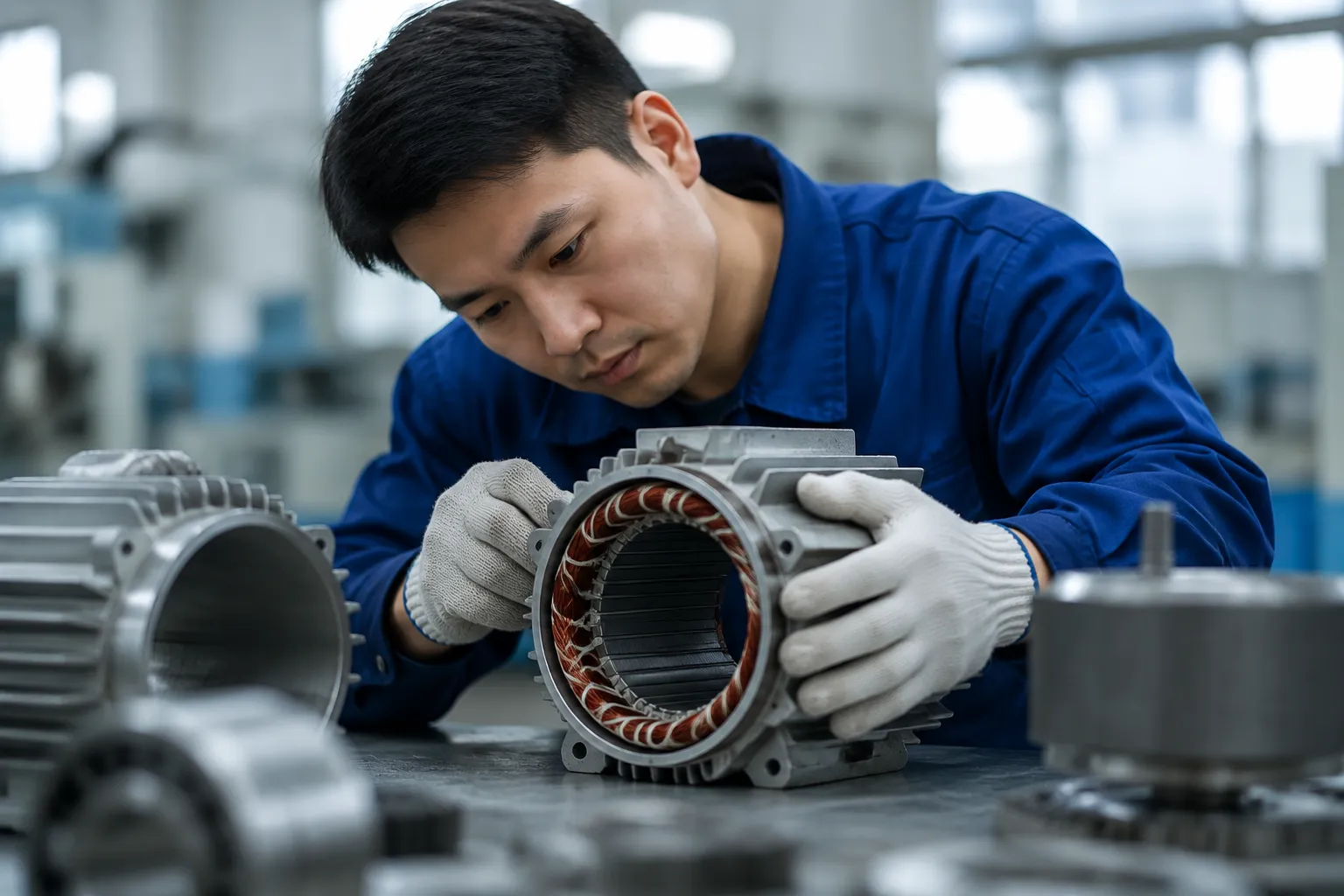
Liatinové rámy (štandardné pre sériu YB2 Ex d v súlade s normou IEC 112 a vyššou) sú odolnejšie voči korózii H₂S ako lakované hliníkové rámy používané v štandardných motoroch Y2 až do normy IEC 100. Keď sa náter farby poruší – mechanickým nárazom alebo UV degradáciou – exponovaný hliník oxiduje a H₂S urýchľuje koróziu. Liatinový rám YB2 s epoxidovým základným náterom pre námorné použitie a polyuretánovým vrchným náterom poskytuje vynikajúcu životnosť v prostrediach s H₂S.
H₂S rýchlo napáda medené káblové koncovky a mosadzné káblové priechodky – na povrchu svoriek sa tvoria usadeniny sulfidu medi, ktoré zvyšujú prechodový odpor a potenciálne spôsobujú prehriatie pripojenia. Svorkovnica s utesnením YB2 IP55 zabraňuje vniknutiu H₂S a jeho napadnutiu svoriek. V prípadoch, kde sa očakávajú koncentrácie H₂S nad 10 ppm, použite pocínované medené alebo nerezové vložky do svoriek.
5. Útok H₂S na štandardné nátery motorov
Ekonomické argumenty pre špecifikáciu YB2 v prostrediach s odpadovými vodami s H₂S sú presvedčivé aj tam, kde nie je technicky potrebná ochrana proti výbuchu. 2 až 3-krát dlhšia životnosť liatinového motora YB2 v porovnaní so štandardným hliníkovým motorom Y2 v atmosfére H₂S šetrí viac na nižších nákladoch na výmenu a prácu ako počiatočné náklady na YB2 v rámci jeho prvého výmenného cyklu.
6. Korea Ever-Power YB2 na čistenie odpadových vôd
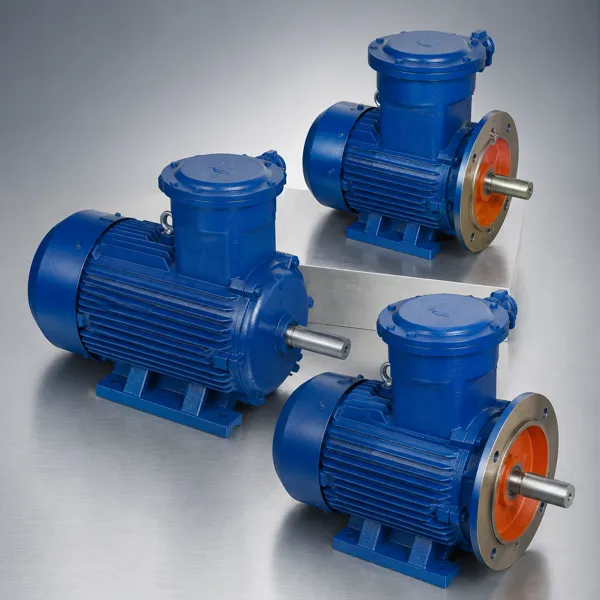
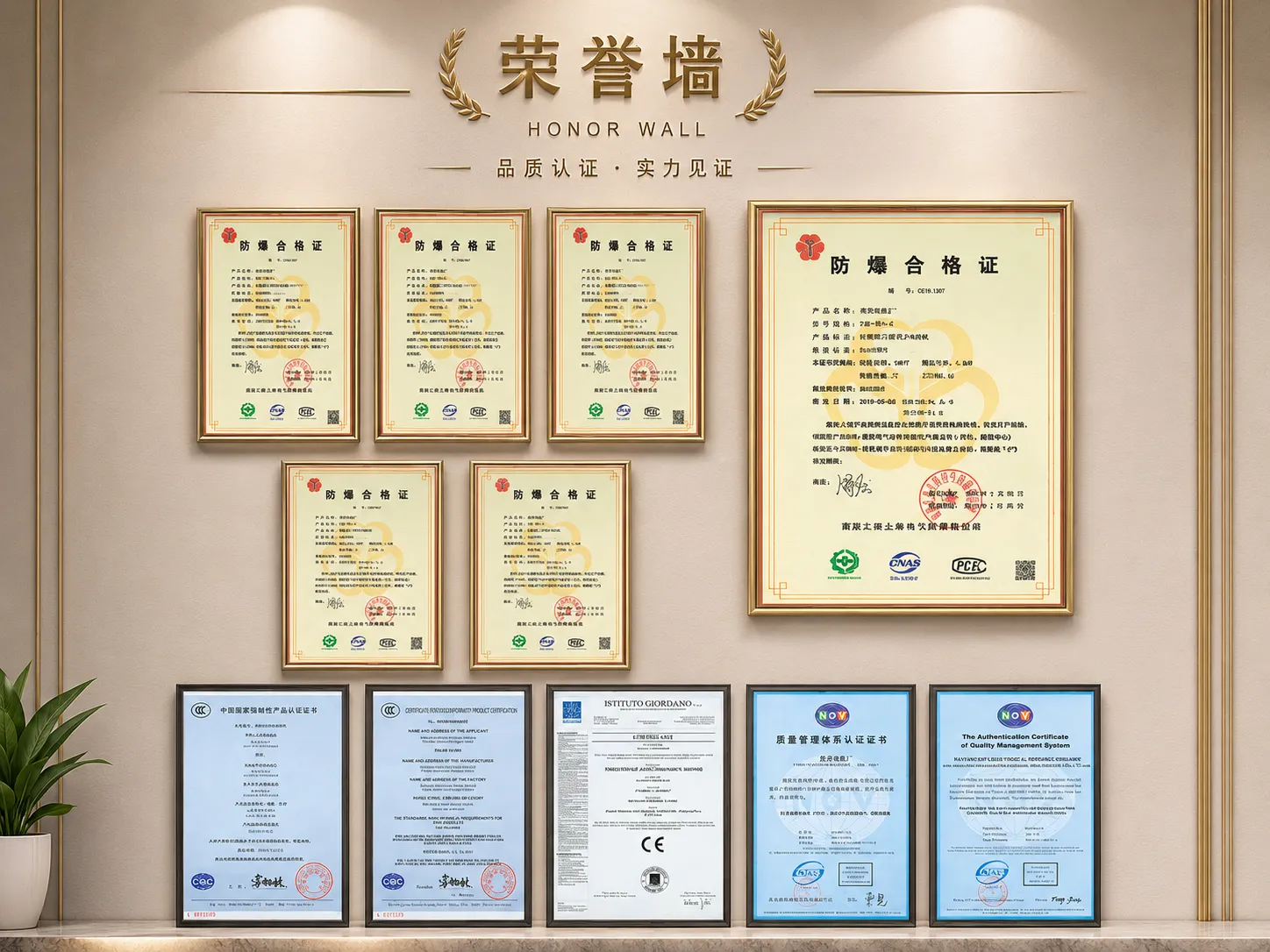
Motor Korea Ever-Power YB2 Ex d IIB T4 poskytuje špecifikáciu jedného motora, ktorá pokrýva ochranu pred výbuchom v zóne 1/2 pre bioplynové stanice a vynikajúcu odolnosť proti korózii potrebnú v oblastiach manipulácie s kalmi H₂S. Liatinové puzdro IP55 odoláva korózii H₂S s životnosťou presahujúcou 10 rokov v prostredí s odpadovými vodami. Certifikácia Ex d IIB T4 pokrýva skupiny plynov metán (IIA) aj sírovodík (IIB) s jedným typom motora, čo zjednodušuje špecifikáciu motora a skladovanie náhradných dielov v celej čistiarni odpadových vôd. Kompletný rad YB2 je k dispozícii v... sekcia motora odolná voči výbuchuV prípade špecifikácií čerpadla a motora dúchadla pre veľké čistiarne odpadových vôd s výkonom nad 75 kW kontaktujte Kórea Ever-Power.
| Certifikácia | ATEX + IECEx Ex d IIB T4 |
| Krytie plynu | Metán IIA + H₂S IIB |
| Vhodnosť zóny | Zóna 1 a zóna 2 |
| Rám | Liatina (odolná voči H₂S) |
| Krytie IP | IP55 |
| Náter | Námorný epoxid + polyuretán |
| Rozsah výkonu | 0,55 – 200 kW |
| Povrchová teplota | T4 = maximálne 135 °C |
7. Aplikácie čistiarní odpadových vôd
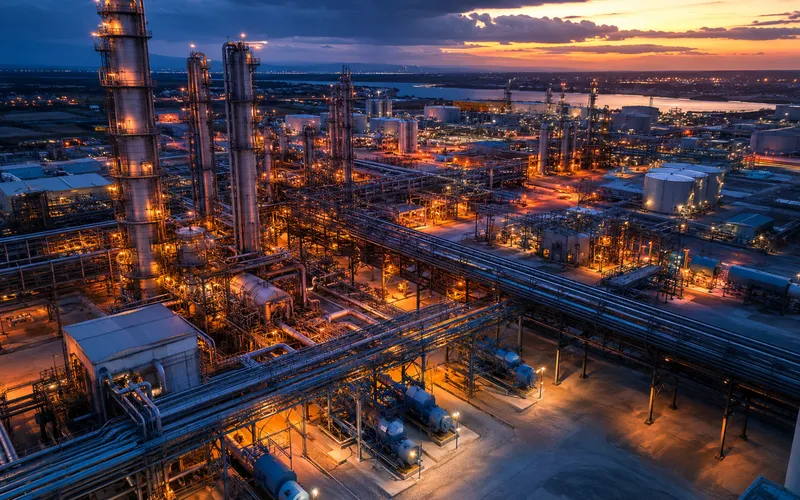
Miešanie a manipulácia s plynom v anaeróbnom digestore
Pohony recirkulačných čerpadiel kalov z fermentora (5,5 až 22 kW, zóna 1), motory kompresorov recirkulácie bioplynu (7,5 až 30 kW, zóna 1), pohony čerpadiel s dýzami na miešanie plynu (3,0 až 11 kW, zóna 1) a pohony čerpadiel výmenníka tepla fermentora (1,5 až 7,5 kW, zóna 1 alebo 2). Všetky musia byť v triede YB2 Ex d IIB T4. V budovách fermentorov s mechanickým vetraním sú motory ventilátorov tiež v triede YB2, ak sú namontované vo vnútri budovy, a musia mať certifikát YB2. |
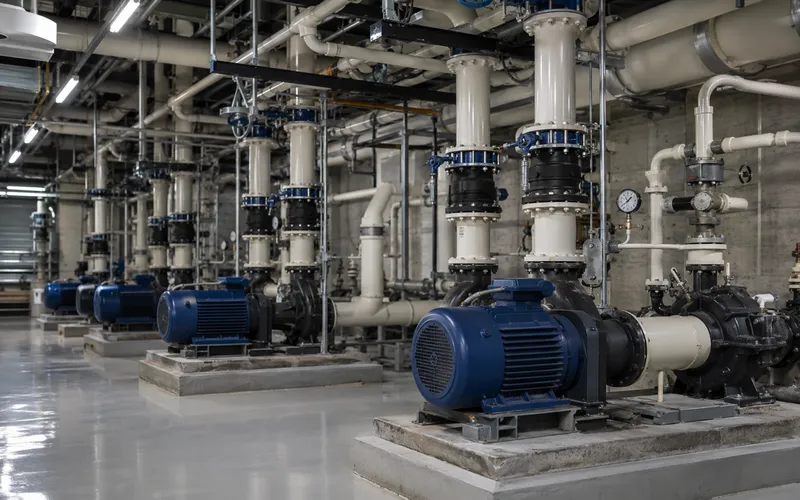
Manipulácia s kalmi a odvodňovanie
Pohony čerpadiel surového kalu (3,0 až 22 kW), motory pohonu hrablí zahusťovadla (0,75 až 5,5 kW), motory čerpadiel pásových lisov a odstrediviek (2,2 až 15 kW) a pohony dopravníkov kalových koláčov (0,55 až 3,0 kW). Tieto oblasti nemusia byť klasifikované ako nevýbušné, ale vyžadujú si povrchovú úpravu odolnú voči H₂S a krytie IP55. YB2 poskytuje ochranu proti výbuchu aj odolnosť proti korózii ako jedna špecifikácia motora v celom závode. |
Pohony chladiacich čerpadiel motora pre kombinovanú výrobu tepla a elektriny (KVET) z bioplynu a ventilátory vetrania strojovne. Strojovňa je zóna 1 vo vnútri krytu bioplynového motora a zóna 2 v priestore strojovne. YB2 1,5 až 11 kW pre pohony chladiacich čerpadiel a ventilátorov v rámci hraníc strojovne.
Zariadenia na úpravu biometánu (absorpcia s kolísavým tlakom alebo membránová separácia) stláčajú bioplyn na kvalitu vhodnú na vstrekovanie do siete. Pohony motorov kompresorov a všetky pomocné pohony čerpadiel a ventilátorov v budove na spracovanie plynu sú zónou 1. YB2 5,5 až 55 kW pre pomocné pohony kompresorov.
Čistenie priemyselných odpadových vôd kontaminovaných prchavými organickými zlúčeninami (VOC) z chemických, potravinárskych alebo farmaceutických závodov. Ak odpadová voda obsahuje horľavé VOC s koncentráciou nad 25% LEL v priestore nad čistiacou nádobou, uplatňuje sa klasifikácia v zóne 1 alebo zóne 2. YB2 IIB T4 pre všetky motory v klasifikovaných zónach.
Pohony triediacich dopravníkov, motory triedičov piesku a pohony triediacich zhutňovačov na vstupe do závodu. Vystavené pôsobeniu H₂S z privádzanej odpadovej vody; neklasifikované ako výbušné, ale korozívne prostredie. YB2 0,55 až 3,0 kW pre pohony vstupu namiesto štandardného Y2 pre predĺženú životnosť.
8. Často kladené otázky
Upravil Cxm