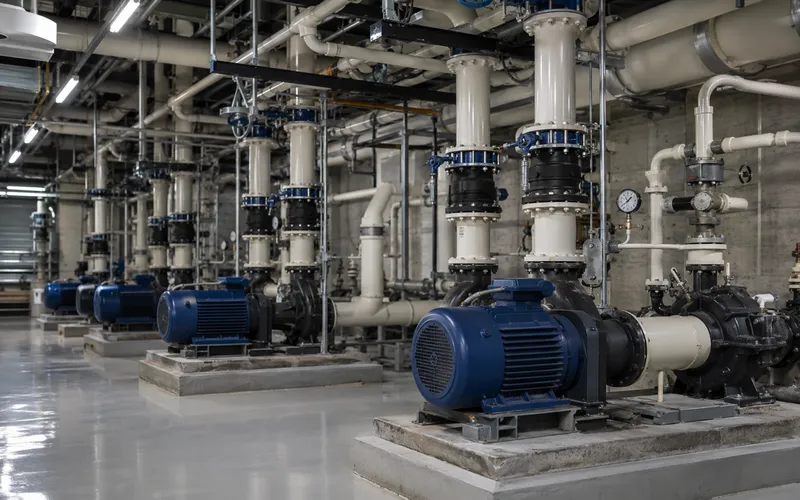
1. Køletårnsmotormiljø
Køletårnsventilatormotorer fungerer under en kombination af miljøforhold, der accelererer motornedbrydning hurtigere end næsten alle andre industrielle applikationer. Det er vigtigt at forstå hver enkelt tilstand for at få korrekt motorspecifikation.
Luften, der passerer gennem køletårnet, er mættet (100% RH) ved ventilatorens indløb. Enhver motoroverflade under dugpunktet for den mættede luft vil kontinuerligt akkumulere kondens. Denne kondens trænger ind i motorhuse med en klassificering under IP65, fugter viklingsisoleringen og forårsager forringelse af isoleringsmodstanden og for tidlig viklingsfejl.
Ventilatoren trækker ikke kun mættet luft ind, men også små vanddråber, der medbringes i luftstrømmen fra påfyldningssektionen. Disse dråber er mineralholdige (calciumcarbonat, silica, opløste salte) og aflejres på motoroverfladerne, når vandet fordamper, hvorved der dannes et mineralsk bundfald, der absorberer fugt og fremskynder korrosion.
Kølevand behandles med biocider (klor, brom, kvaternære ammoniumforbindelser) for at bekæmpe Legionella og alger. Disse kemikalier findes i dråberne, der når motoren, og kan angribe motorens lakbelægninger og viklingslak over tid. Kalkinhibitorer og korrosionsinhibitorer i kølevandet øger kemisk eksponering.
Køletårnsventilatormotorer gennemgår betydelige temperaturændringer: varm fugtig luft under fuld belastning (40 til 50 °C omgivende temperatur nær ventilatoren), kold om natten eller under vinternedlukning (under 0 °C i kolde klimaer) og termisk chok fra motoren, der køler hurtigt ned, når den er slukket. Klasse F-isolering modstår de termiske cykliske effekter på viklingsisoleringen, som klasse B-isolerede motorer muligvis ikke kan.
2. Polvalg for køletårnsventilatorhastighed
Køletårnsventilatorer er aksialstrømningsventilatorer med stor diameter (1,5 til 10 m i diameter), der kører ved lave rotationshastigheder for at opretholde lav ventilatorspidshastighed for at reducere støj og forbedre ventilatorbladenes effektivitet. Ventilatorhastigheden bestemmes af tårnets aerodynamiske design, men ligger typisk i området 300 til 900 o/min for store industrielle køletårne og 700 til 1.200 o/min for kompakte køletårne.
Kompakte køletårne med små ventilatorer (0,5 til 1,5 m diameter), hvor gearkasse eller remreduktion opnår den endelige ventilatorhastighed. Bruges også til direkte drev på små køletårne med tvangstræk, hvor ventilatorens designhastighed er 1.200 til 1.400 o/min.
Standard til direkte drev i køletårne. 960 o/min. er inden for driftsområdet for de fleste FRP-køletårnsventilatorblade med stor diameter (2 til 6 m diameter) uden behov for gearkasse. Den mest almindelige specifikation for industrielle og HVAC-køletårne.
Meget store køletårne med ventilatordiametre over 5 m, hvor ventilatorspidshastigheden ved 960 o/min ville overstige designgrænserne. Bruges også til støjsvage køletårne, hvor 720 o/min reducerer aerodynamisk støj sammenlignet med 960 o/min-drift ved samme luftstrøm.
To-trins polomskiftermotor til køletårne, der kræver to ventilatorhastigheder (høj hastighed i sommerens spidsbelastning, lav hastighed i mildt vejr). YD-motor erstatter to separate motorer og undgår kompleksiteten af eksterne viklingsomskifterelæer. Se afsnit 5 for styring.
3. IP55 og korrosionsbeskyttelse til køletårnsbrug
Motoren er placeret i luftstrømmen over påfyldningssektionen, direkte udsat for varm vandmættet luft og vanddråber, der overføres fra sprøjtehovederne nedenunder. IP55 (støvbeskyttet, beskyttet mod vandstråler fra alle retninger) er minimumskravet til installation af køletårnsventilatormotorer. IP55 forhindrer direkte indtrængen af vanddråber, der bæres i luftstrømmen, og begrænser den hastighed, hvormed fugtig luft trænger ind i motorhuset gennem indånding. Motorer, der er klassificeret til IP54 eller lavere, har vist sig at svigte på grund af nedbrydning af viklingsisoleringen i køletårnsdrift inden for 2 til 4 år, hvilket kræver IP55-specifikationen for pålidelig langvarig drift.
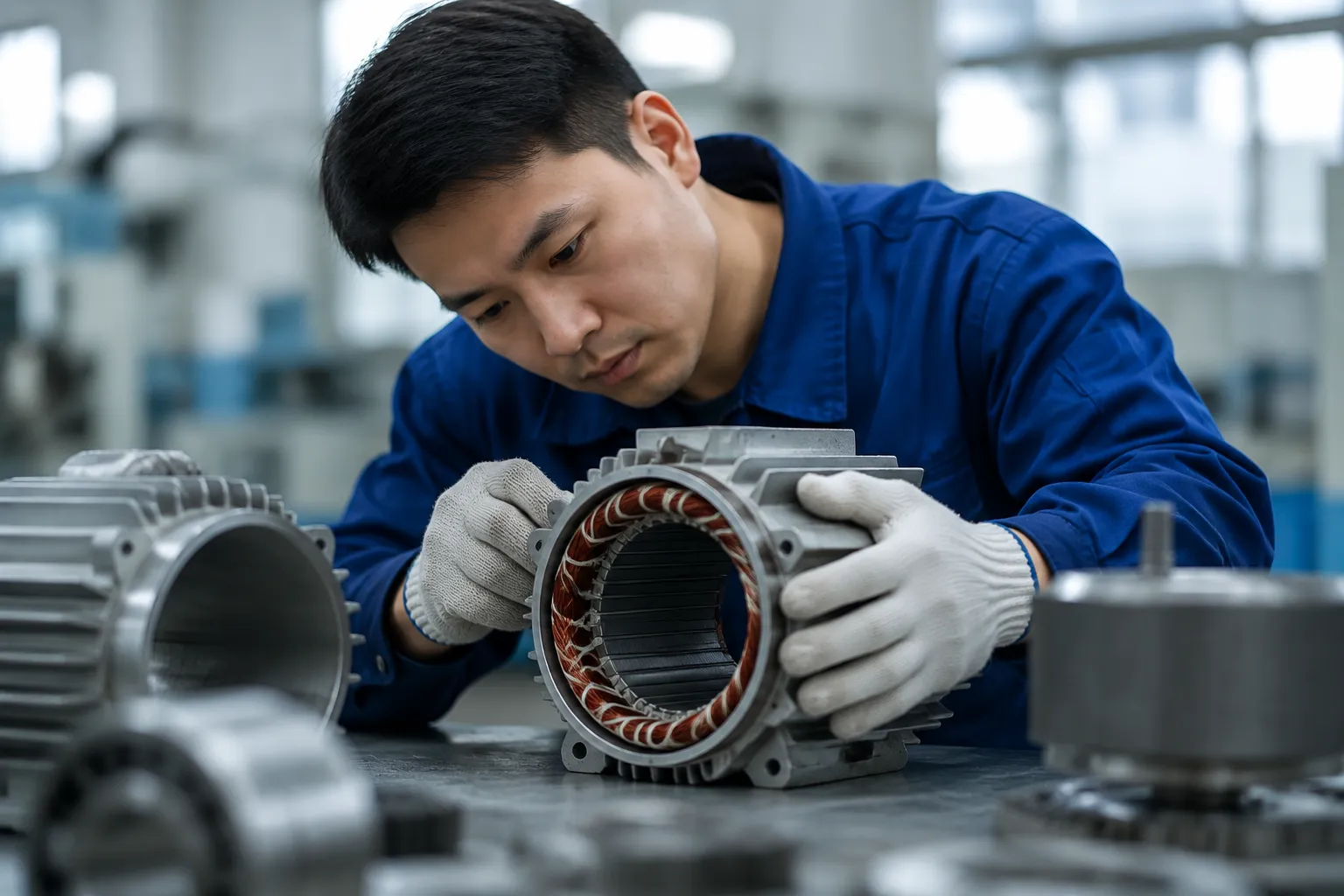
Standard motormaling og stelbelægninger er designet til tørre industrielle miljøer og nedbrydes hurtigt i den våde, mineralbelastede atmosfære i køletårne. Korea Ever-Power Y2-serien af køletårne inkluderer: epoxybaseret viklingsimprægnering med fugtbestandighedsspecifikation; marinekvalitets epoxyprimer og polyurethan-topcoat på alle udvendige overflader; rustfri stål- eller varmgalvaniserede klemkasseskruer og navneskiltfastgørelser; og siliciumcarbid-afstrygertætninger på akselgennemføringer. Disse korrosionsbestandige behandlinger forlænger den typiske levetid for køletårnsmotorer fra 2 til 4 år (standardmotor) til 8 til 15 år (Y2-køletårnspecifikation).
Rumvarmere: Til køletårne i kolde klimaer, hvor motoren kan blive udsat for temperaturer under 5 °C i længere perioder med nedlukning, skal der specificeres motormonterede rumvarmere (antikondensvarmere) i viklingen. Disse varmere på 50 til 150 W holder viklingen over dugpunktet under nedlukning og forhindrer kondens i at ophobe sig i viklingshulrummet. Rumvarmere skal være strømløse, når motoren kører, og strømførende, når motoren er stoppet - et simpelt sammenkoblingsrelæ på motorkontaktoren opnår dette automatisk.
4. Beregning af køletårnsventilatormotors effekt
Ventilatorhastighed: 6-polet direkte drev ved 960 o/min.
Ventilatorspidshastighed: π × 4,0 × 960/60 = 201 m/s —
vent — det overskrider grænserne, så:
Ventilatorspidshastighed: π × 4,0 × 960 ÷ 60 = 201 → tjek:
v-spids = π × D × n/60 = π × 4,0 × 960/60 = 201 m/min = 33,5 m/s
(inden for en typisk FRP-ventilatorgrænse på 35-45 m/s)
Ventilatorens statiske tryk ΔP = 45 Pa (typisk lavmodstandstårn)
Ventilatorvirkningsgrad η-ventilator = 0,72 (aksial strømning ved designpunkt)
Akseleffekt = Q × ΔP ÷ η-ventilator = 41,7 × 45 ÷ 0,72 = 2.605 W
Motorvirkningsgrad IE3 6-polet ≈ 0,90
Motorens indgangseffekt = 2.605 ÷ 0,90 = 2,9 kW
Med servicefaktor 1,2: Vælg Y2 4,0 kW, 6-polet, IP55
Bemærk: Den faktiske effekt for køletårnets ventilatormotor bør bekræftes ud fra tårnproducentens ventilatorydelsesdata, som tager højde for det specifikke ventilatorbladdesign, hældningsvinkel og tårnets luftstrømsmodstand. Den simple beregning ovenfor giver et størrelsesordens estimat for det indledende motorvalg. Anvend en servicefaktor på 1,15 til 1,25 for at tage højde for variationer i ventilatorydelse med sæson- og driftscyklusændringer.
5. Startmetode og ventilatorstyring med to hastigheder
Køletårnsventilatormotorer under 11 kW kan startes direkte ved direkte drift (DOL). Ventilatorens startinerti er høj (ventilatorblade med stor diameter har betydelig rotationsinerti), men startmomentkravet er lavt, fordi ventilatorbladhældningen er lav, og luftmodstanden ved stilstand er minimal. Det er typisk at starte 6 til 7 gange den nominelle hastighed i 3 til 6 sekunder, før ventilatoren når den nominelle hastighed. Direkte drift er den enkleste fremgangsmåde til små køletårnsventilatorer med én hastighed.
Køletårnsventilatormotorer over 11 kW bør bruge stjerne-trekant-start eller en softstarter for at reducere startstrømmens påvirkning af forsyningen. Den høje ventilatorinerti betyder, at motoren accelererer langsomt under stjerne-trekant-kobling, og tiden i stjernekobling er lang - 8 til 15 sekunder er typisk for en 6-polet motor, der driver en 4 til 6 m ventilator. Stjerne-trekant-overgangen skal være jævn; en modstandsassisteret overgang foretrækkes til store ventilatorer for at undgå strømstød i deltakoblingsøjeblikket.
Brug af en YD-motor med flere hastigheder og polskift (4/6-polet, der giver 1.450/960 o/min) på køletårnets ventilator giver to faste ventilatorhastigheder uden en VFD. Ved spidsbelastning om sommeren kører ventilatoren med høj hastighed (1.450 o/min, maksimal luftstrøm og kølekapacitet). I mildt vejr reducerer skift til lav hastighed (960 o/min) ventilatoreffekten med cirka 70% (hastighedsforholdet i tredje potens: (960/1.450)³ = 0,29), samtidig med at tilstrækkelig køling opretholdes. To-hastighedsstyring er den mest omkostningseffektive metode til kapacitetsstyring for køletårne, der ikke kræver kontinuerlig modulering.
6. Korea Ever-Power Y2-serien til køletårnsventilatordrev
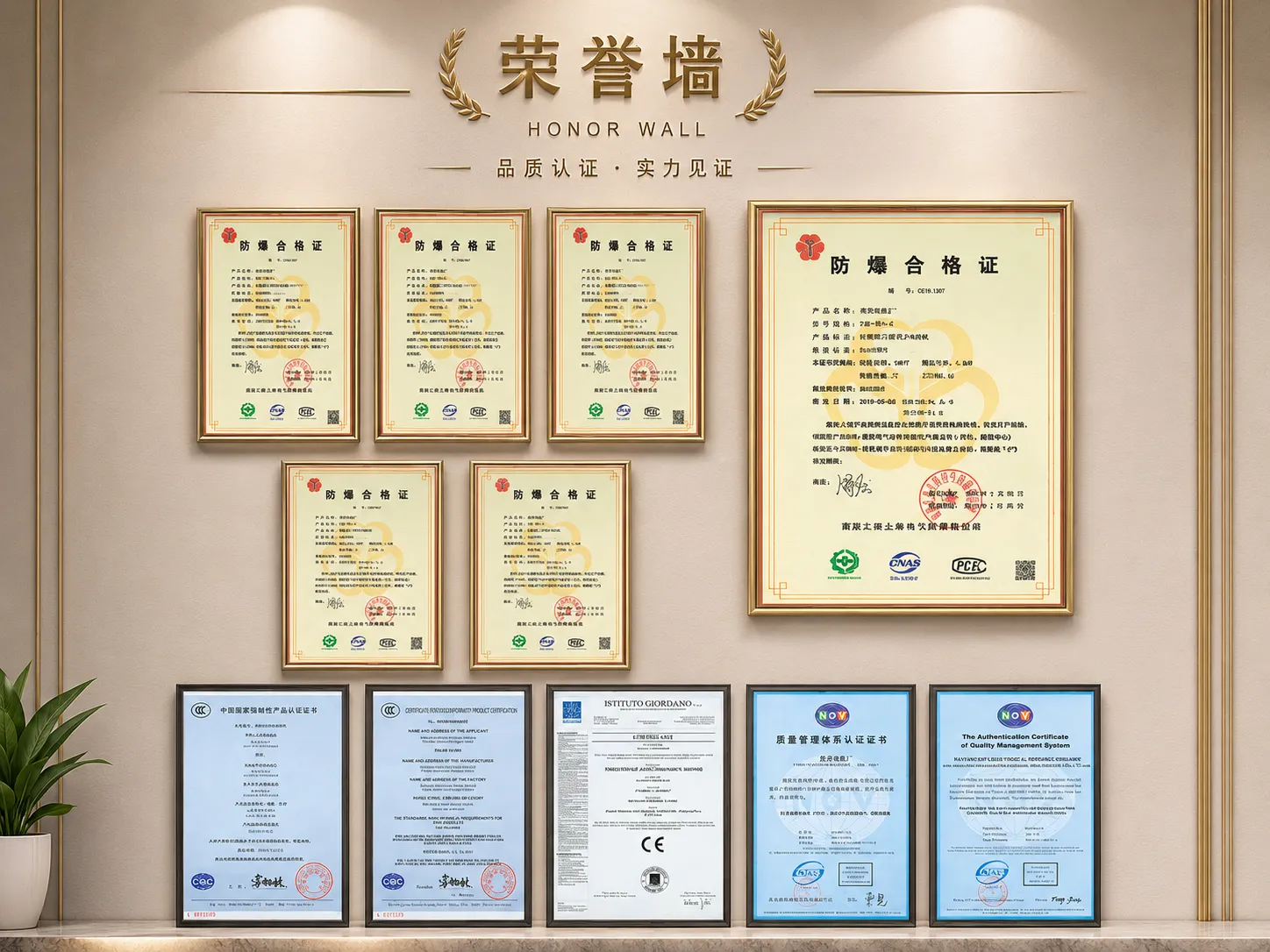
Korea Ever-Power Y2-serien i 6-polede og 8-polede konfigurationer dækker effektområdet fra 0,75 til 45 kW, der kræves til direkte drevne køletårnsventilatormotorer. Den 6-polede Y2 ved 960 o/min er standardspecifikationen for de fleste industrielle og kommercielle køletårnsventilatorapplikationer. Korea Ever-Power leverer Y2 til køletårnsservice med forbedret fugtbestandig viklingsimprægnering, korrosionsbestandig udvendig belægning og rustfri stålklemmeboksbeslag som en køletårnpakkespecifikation. Den komplette Y2-serie er i produktsektion for trefaset motorKontakt Koreas evige magt til specifikationer for køletårnspakker, herunder rumvarmer, styrerelæ for rumvarmer og muligheder for behandling af antikondensviklinger.
| Polakker | 6P (960 o/min) standard |
| Effektområde | 0,75–45 kW |
| IP-klassificering | IP55-standard |
| Isolering | Klasse F, fugtbestandig |
| Effektivitet | IE3 (energiklasse) |
| Pligt | S1 kontinuerlig |
| Rumvarmer | Valgfrit (100 W til CT-service) |
| To-hastighedsmulighed | YD 4/6-polet tilgængelig |
7. Anvendelser af køletårnsventilatordrev
Modstrøms- og krydsstrømskøletårne til industriel proceskøling (kemisk, petrokemisk, kraftværk, produktion). Ventilatormotorer 7,5 til 45 kW, 6-polet, IP55, klasse F. Typiske tårncellekonfigurationer bruger 2 til 8 ventilatorceller hver med én motor. Y2 6-polet direkte drev er standardspecifikationen for celler med en ventilatordiameter på 2 til 5 m.
Pakkede og feltmonterede køletårne til bygning af aircondition-kølekondensatorer. Ventilatormotorer 0,75 til 15 kW, 6-polet eller 4-polet med gearkasse til små tårne. To-trins YD-motor populær til køletårne i kontorbygninger, hvor delbelastningsdrift er størstedelen af de årlige timer.
Køletårne til kondensering af datacentres køleanlæg. Meget mange årlige driftstimer (8.760 timer/år kontinuerligt). Y2 6-polet 3,0 til 22 kW, IP55, med rumvarmer til tårnets nedlukningsperioder. Lang levetid er afgørende givet kølingens kritiske rolle i datacentrets kontinuitet.
Fordampningskondensatorer til kølesystemer (kølehuse, fødevareforarbejdning, industriel køling) bruger en kombineret direkte luft- og fordampningskølingsmekanisme. Motorkravene er identiske med køletårnsventilatormotorer — IP55, 6-polet, fugtbestandig vikling, korrosionsbestandig yderside. Y2 0,75 til 7,5 kW dækker de fleste anvendelser af fordampningskondensatorventilatorer.

8. Ofte stillede spørgsmål
Redigeret af Cxm