2. Startmoment og valg af motorpol
3. Beregning af kompressormotorens effekt
4. Forhøjet omgivende og termisk derating
5. IE3 Effektivitet og energibesparelser
6. Y2 Specifikationer for kompressordrev
7. Anvendelser af luftkompressorer
8. Ofte stillede spørgsmål
1. Kompressortyper og motorkrav
Encylindrede og flercylindrede stempelkompressorer fra 0,75 til 37 kW. Stempelkompressoren påfører motorakslen en cyklisk varierende momentbelastning, når hver cylinder gennemgår suge- og kompressionsslag. Det maksimale moment ved slutningen af kompressionsslaget kan være 2,0 til 3,0 gange det gennemsnitlige moment. Motoren skal starte kompressoren mod resttryk i cylinderen - hvilket kræver et låst rotormoment (LRT) på 2,0 til 2,5 gange det nominelle moment. 4-polet Y2 ved 1.450 o/min er standardkonfigurationen, ofte remdrevet i forholdet 2:1 til 3:1 til kompressorens svinghjul for at give jævn momentlevering gennem svinghjulets inerti.
Dobbeltskruekompressorer med positiv fortrængning fra 5,5 til 200 kW, der producerer kontinuerlig trykluft ved 6 til 13 bar. Skruekompressoren har en jævn momentkarakteristik - intet maksimalt kompressionsmoment - så startmomentet er tæt på driftsmomentet. Den 2-polede Y2 ved 2.900 o/min bruges til direkte eller remdrev af hanrotoren ved 3.000 til 6.000 o/min. Roterende skruekompressorer med motorer med fast hastighed bruger en indløbsventil til at belaste og aflaste kompressoren under PLC-styring. Energieffektive skruekompressorer bruger en YVF2 VFD til kontinuerlig trykreguleret hastighedsregulering.
Scrollkompressorer fra 0,75 til 7,5 kW til små trykluftsystemer, HVAC-kølere og medicinsk luft. Jævn momentkarakteristik svarende til skruekompressorer. Direkte koblet til scroll-kredsløbsmekanismen ved 2.900 til 3.600 o/min. Kravet til startmoment er lavt (1,0 til 1,5 gange nominel). 2-polet Y2- eller YS-motor med lille effekt til kompakte scrollkompressorpakker. Oliefri versioner kræver klasse H-isolering til de højere omgivelsestemperaturer inde i det oliefri scrollhus.
Højhastigheds centrifugal (turbo) luftkompressorer fra 75 til 1.000 kW til store industrielle trykluftanlæg. Hastighed 5.000 til 60.000 o/min, kræver step-up gearkasse eller højfrekvent variabel hastighedsdrev. For motorstørrelser inden for Y2-området (op til 200 kW) dækker den 2-polede Y2 med integreret step-up gearkasse den nedre ende af centrifugalkompressorområdet. Over 200 kW, kontakt Korea Ever-Power for dedikerede specifikationer for store kompressormotorer.
2. Startmoment og valg af motorpol
| Kompressortype | Motorpoler | Hastighed | Lejebolig påkrævet | Startmetode |
|---|---|---|---|---|
| Stempel (remtræk) | 4-polet | 1.450 omdr./min. | 2,0–2,5× | DOL eller stjerne-trekant |
| Frem- og tilbagegående stempel (direkte) | 6-polet eller 4-polet | 960–1.450 omdr./min. | 2,5–3,0× | DOL foretrukket |
| Roterende skrue (rem eller tandhjul) | 2-polet | 2.900 omdr./min. | 1,2–1,5× | Stjerne-trekant eller VFD |
| Rul (direkte) | 2-polet | 2.900 omdr./min. | 1,0–1,5× | DOL |
| VFD-skrue (variabel hastighed) | 2-polet YVF2 | 0–120 Hz | Styret af VFD | Rampestart via VFD |
For stempelkompressorer med stjerne-trekantstart: Kontroller, at motorens låste rotormoment i stjernekoblingen (33% af delta-LRT) stadig er tilstrækkeligt til at starte kompressoren mod resterende cylindertryk. Hvis stjernekoblingens LRT er utilstrækkelig, skal der anvendes direkte onlinestart (DOL) med en strømbegrænsende reaktor eller en softstarter, der opretholder fuld spændingsmomentkapacitet under start.
3. Beregning af kompressormotorens effekt
P₁ = 1 bar abs, Q = 1 m³/min, P₂ = 8 bar abs
P-iso = (100.000 × 1/60 × ln(8)) = 3.466 W = 3,47 kW
Faktisk skrueeffektivitet: 65–75%
Indikeret effekt = 3,47 ÷ 0,70 = 4,96 kW
Mekaniske tab (lejer, tætninger): +0,5 kW
Drivkraft (rem/gear): 0,95
Servicefaktor 1,15 for S1 kontinuerlig: 5,75 × 1,15 = 6,61 kW
Vælg den næste standardstørrelse ovenfor: Y2 7,5 kW 2-polet 2.900 o/min
Tjek: 7,5 kW ÷ 5,75 kW = 1,30 belastningsfaktor — komfortabel S1-vurdering
Tommelfingerregel: 5,5-7,5 kW motor pr. 1 m³/min ved 7-8 bar for skruekompressor
4. Forhøjet omgivelsestemperatur og motorens termiske klassificering
Et kompressorrum med flere kompressorer, der kører kontinuerligt, genererer betydelig varme fra køling af kompressorkappen, oliekølerens afstødning og motorrammens varmeafledning. Omgivelsestemperaturer på 35 til 50 °C i et kompressorrum er almindelige uden tilstrækkelig ventilation. Standard IEC-motorklassificering antager en maksimal omgivelsestemperatur på 40 °C - ved 45 °C skal motoren reduceres til ca. 92% af den nominelle effekt, og ved 50 °C til ca. 83%. For kompressorrum, der regelmæssigt er over 40 °C, skal enten den valgte motoreffekt reduceres, eller der skal installeres positiv mekanisk ventilation i kompressorrummet for at holde den omgivende temperatur under 40 °C ved motorindløbet.
Korea Ever-Power Y2-motoren er specificeret med klasse F-isolering (nominel til 155 °C viklingstemperatur), men termisk normeret til klasse B temperaturstigning (80 K over omgivelsestemperatur ved nominel effekt). Denne termiske margen på 25 K mellem den faktiske drift og klasse F-grænsen giver beskyttelse mod korte perioder med omgivelsestemperatur over 40 °C uden accelereret ældning af isoleringen. For kompressormotorer, der kører kontinuerligt ved forhøjede omgivelsestemperaturer på 40-50 °C, giver klasse F-isoleringen af Y2 den nødvendige termiske frihøjde, som ikke ville være tilgængelig med et klasse B motorisoleringssystem.
5. IE3-effektivitet og årlige energibesparelser
Årlig energi = 8.297 × 16 × 250 ÷ 1.000 = 33.188 kWh
Ved 0,12 USD/kWh: årlige omkostninger = 3.983 USD
Motortab = 8.297 − 7.500 = 797 W varme i kompressorrummet
Årlig energi = 8.179 × 16 × 250 ÷ 1.000 = 32.716 kWh
Ved 0,12 USD/kWh: årlige omkostninger = 3.926 USD
Årlig besparelse vs. IE2: 57 USD — tilbagebetaling på IE3-præmie: typisk 2-3 år
Motortab reduceret med 118 W → lavere kompressorrumsvarme
For større kompressormotorer (22 til 75 kW), der kører 24 timer i døgnet i kontinuerlige produktionsanlæg, kan den årlige IE3-energibesparelse i forhold til IE2 nå op på 500 til 2.000 USD pr. motor, med en tilbagebetaling på effektivitetspræmien inden for 1 år. Korea Ever-Power Y2-seriens motorer overholder IE3 som standard – der kræves ikke et separat valg af effektivitetsklasse.
6. Korea Ever-Power Y2 Specifikationer for kompressordrev
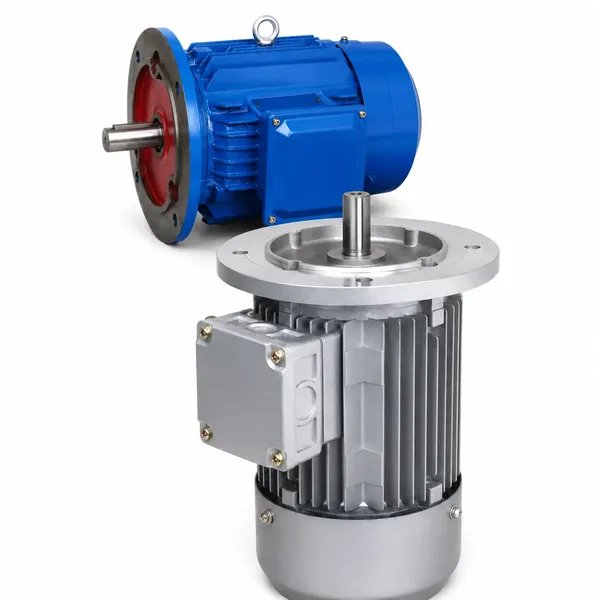
Korea Ever-Power Y2-serien dækker området 1,5 til 200 kW i 2-polede og 4-polede konfigurationer til alle luftkompressormotorapplikationer. Den 2-polede Y2 ved 2.900 o/min. passer til roterende skrue- og scrollkompressorer, der kræver høj akselhastighed. Den 4-polede Y2 ved 1.450 o/min. passer til stempelkompressorer med stempelmotor, der kræver et højere startmoment. IE3-effektivitet er standard på alle Y2-rammer. IP55 er specificeret til kompressorrumsinstallationer med støv og olietåge. For VFD-styrede skruekompressorer, der kræver variabel hastighed, skal Y2 udskiftes med YVF2 IC416 fra VFD-motorsektionHele Y2-serien er i trefaset motorsektionKontakt Koreas evige magt til dimensioneringshjælp til kompressormotorer over 75 kW.
| Effektområde | 1,5–200 kW |
| Polakker | 2P (2.900) eller 4P (1.450) |
| Effektivitet | IE3-standarden |
| Isolering | Klasse F (155°C) |
| IP-klassificering | IP55 til kompressorrum |
| Servicefaktor | 1.15 |
| Pligt | S1 kontinuerlig |
| Legeplads | 2,0–2,5× (4P) / 1,8–2,2× (2P) |
7. Anvendelser af luftkompressorer
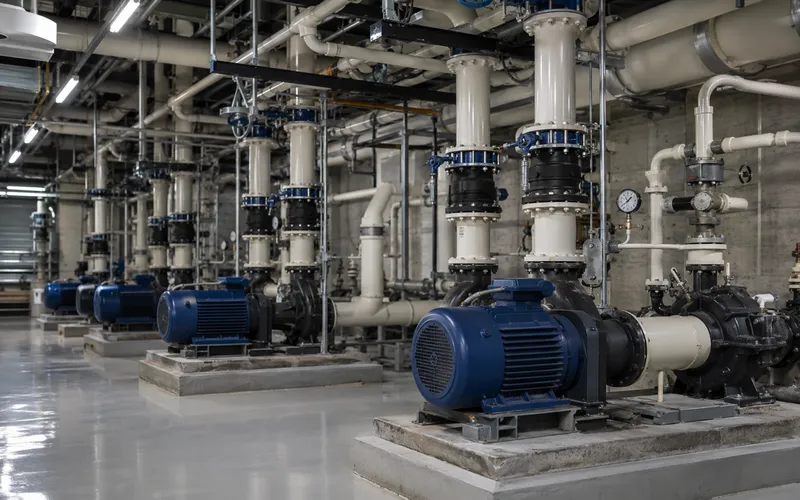
Fabriks trykluftanlæg
Skruekompressorer på 7,5 til 200 kW, der leverer 6 til 10 bar trykluft til pneumatisk værktøj, automation, sprøjtemaling og procesudstyr i produktionsanlæg. Y2 2-polet, IE3, IP55, S1 kontinuerlig. Flere kompressorer på en trykluftmanifold med lead-lag-regulering. VFD-trimkompressor, der bruger YVF2 til trykbåndsregulering og energibesparelse ved delbelastning. |

Værkstedskompressor med stempel
Encylindrede og tocylindrede stempelkompressorer 1,5 til 15 kW til værkstedstrykluftværktøj, sprøjtemaling, dækoppumpning og trykluft til servicestationer. Y2 4-polet, IE3, IP55, S1 eller S3 afhængigt af kompressorens styretilstand. Remtræk i forholdet 1,5:1 til 3:1 til kompressorens svinghjul. Direkte start kræves for fuld LRT-start mod restcylindertryk. |
Oliefri scroll- eller stempelkompressorer til medicinsk trykluft (ISO 7396-1) til forsyning af hospitalsluftterminaler, tandhåndstykker og laboratorieinstrumenter. Y2 eller YS 0,75 til 7,5 kW 2-polet. Oliefri kompressorer har en højere omgivelsestemperatur inde i kompressorhuset — Klasse F-isolering af Y2 giver den nødvendige termiske margen. Redundante kompressorer med automatisk omskiftning.
Oliefri trykluft til emballage til fødevarer og drikkevarer, pneumatisk transport af fødevareingredienser og procesluft i kontakt med fødevarer. Y2 2-polet 5,5 til 55 kW. Oliefri skrue- eller stempelkompressorer. IP55 til afvaskning i fødevarefabrikker. Nogle installationer kræver en BXG-motor i rustfrit stål, hvis motoren er i produktionsområdets fødevarekontaktzone.
Trykluft til underjordiske og overflademiner til pneumatisk boring, boltning og ventilation. Y2 4-polet eller 2-polet 22 til 200 kW til store mineluftkompressorer ved 6 til 10 bar. Højdereduktion til miner i høj højde. IP55 til støvede mineoverflademiljøer. Ex d YB2 kræves til kulminer, hvor metan er til stede i kompressorrummet.
Fødeluftkompressorer til nitrogengenerering ved trykudsvingsadsorption (PSA) eller membranseparation, der leverer nitrogen til brandbekæmpelse, pakning og inertering. Y2 2-polet 7,5 til 75 kW til PSA-fødeluftkompressorer ved 8 til 12 bar. Kontinuerlig S1-drift kræves, da PSA-systemer kører 24 timer i døgnet for at opretholde nitrogenbeholdningen.

8. Ofte stillede spørgsmål
Redigeret af Cxm