1. Rulletransportørtyper og zonedrevarkitektur
Rulletransportører falder i to brede kategorier baseret på drivprincippet: tyngdekraftsrulletransportører, hvor produktet glider ned ad bakke under tyngdekraften uden motor, og drevne rulletransportører, hvor motorer roterer rullerne for at transportere produktet på plane eller skrånende overflader. Drivne rulletransportører bruger flere forskellige drivarkitekturer afhængigt af produktets vægt og akkumuleringsbehovet.
En enkelt motor driver en linjeaksel, der løber langs transportbåndets fulde længde. Individuelle ruller drives fra linjeakslen via runde remme eller O-ringe. Slippet mellem O-ringen og rullen muliggør akkumulering - når et produkt stopper, glider O-ringen på den stationære rulle. Linjeakseldrev bruger en enkelt Y2-motor på 0,37 til 2,2 kW pr. 10 til 20 m sektion, hvor motoreffekten er koblet til linjeakslen via en lille gearkasse eller direkte. Dette er den enkleste og billigste rulletransportørdrevarkitektur til lette til mellemstore belastninger.
En separat motor driver hver akkumuleringszone (1 til 5 m lang) på transportbåndet. Hver zonemotor styres uafhængigt af transportbåndszonecontrolleren, som kan stoppe en zone, når et produkt venter, eller når den efterfølgende zone er blokeret. Zonedrev muliggør trykfri akkumulering – produkter stopper med nul kontaktkraft mellem dem, hvilket forhindrer produktskader i akkumuleringstilstand. Zonedrev kræver én Y2-motor (typisk 0,12 til 1,5 kW) og én gearkasse pr. zone, hvilket gør den mere kompleks og dyrere end linjeakslen, men giver overlegen akkumuleringskontrol.
Motoriserede ruller integrerer en lille DC- eller trefasemotor inde i selve rullerøret, med tilstødende ruller, der drives af et fladt polyurethanbånd fra den motoriserede rulle. Hver motoriserede rulle dækker en zone med 1 til 3 ruller. Dette er den mest kompakte arkitektur - der er ingen ekstern motor eller gearkasse - men den er begrænset til lettere belastninger (under 100 kg pr. produkt). Korea Ever-Power Y2-motorer bruges i eksterne zonedrev som et alternativ til motoriserede ruller til tungere palletransportører over 100 kg pr. enhed.
2. Beregning af zonemotoreffekt
Zonelængde: L = 2,0 m (6 ruller med 333 mm afstand)
Rullefriktionsfaktor: μ = 0,05 (stålrulle på stålaksel)
Rullediameter: d = 76 mm
Skaftdiameter: 20 mm
Transportbåndshastighed: v = 0,3 m/s
Dreveffektivitet η = 0,85
F = 500 × 9,81 × 0,05 × (20÷76) = 64,5 N
Motoreffekt: P = F × v ÷ η = 64,5 × 0,3 ÷ 0,85 = 22,8 W
Med servicefaktor 1,15 for akkumulering: 26,2 W
Valg pr. zone: Y2 0,12 kW (120 W) 4-polet, IEC 71
(Standard motorstørrelse over beregnet effekt)
For palletransportører, der håndterer belastninger over 500 kg, tunge rullelejer med højere friktion (μ = 0,08 til 0,12) eller transportører med hældninger, skal der genberegnes ved hjælp af de faktiske friktions- og hældningskraftkomponenter. Standardzonemotorstørrelser til rulletransportørapplikationer er 0,12, 0,18, 0,25, 0,37 og 0,55 kW for de fleste palle- og kartontransportørapplikationer. Motorer over 0,75 kW pr. zone indikerer enten en meget tung belastning, høj hastighed eller stejl hældning, der bør vurderes i forhold til det specifikke transportørdesign.
3. Akkumuleringstilstand og motorens termiske klassificering
I akkumuleringstilstand fortsætter en stoppet zonemotor med at dreje drivrullerne, mens produktet oven på zonen er stationært – produktet glider på rullerne, eller momentbegrænseren mellem motoren og rullerne glider for at forhindre overbelastning af motoren. Hvis zonedrevet imidlertid er en direkte koblet gearmotor uden slip, går motoren i stå mod det stationære produkt og trækker låst rotorstrøm, hvilket hurtigt overopheder motorviklingen.
I et korrekt designet nultryksakkumuleringssystem stoppes zonemotoren, når zonesensoren registrerer et produkt, der venter, og den efterfølgende zone er optaget. Zonemotoren driver en tom zone og stopper sammen med zonen, når et produkt detekteres - der er ingen produktakkumulering mod et kørende drev. Under disse forhold kører zonemotoren ved S3 intermitterende drift med en typisk CDF på 40 til 60% - Y2-motorens termiske klassificering udfordres ikke, fordi motoren stopper rent, når zonen stopper. Dette er den korrekte tilgang og eliminerer fuldstændigt opvarmning fra akkumulering.
I ældre eller enklere rullebåndssystemer, der bruger linjeakseldrev med O-ringslip eller zonedrev med momentbegrænsende koblinger, fortsætter motoren med at køre, mens produktet er stationært over en kørezone. I dette tilfælde kører motoren uden belastning (hvis rullerne glider på produktet) eller kører med stallstrøm, hvis produktet griber fat i rullerne. For akkumulering i stalltilstand skal motoren være klassificeret til S1 kontinuerligt ved nominelt drejningsmoment OG have et overbelastningsrelæ korrekt indstillet til motorstallbeskyttelse. Anvend en servicefaktor på 1,25 til 1,5 for stall-kompatible akkumuleringsdrev for at give tilstrækkelig termisk margin.
4. Valg af transportbåndshastighed og gearkasse
| Transportbåndsapplikation | Bæltehastighed | Rullediameter | Nødvendig rulleomdrejningstal | Gearkasseudveksling (4P) |
|---|---|---|---|---|
| Langsom pallopbygning | 0,1 m/s | 108 mm | 18 omdr./min. | 80:1 |
| Standard palletransportør | 0,3 m/s | 108 mm | 53 omdr./min. | 27:1 |
| Hurtig palleoverførsel | 0,5 m/s | 108 mm | 88 omdr./min. | 16:1 |
| Kartontransportør (standard) | 0,5 m/s | 50 mm | 191 omdr./min. | 7.6:1 |
| Højhastigheds sorteringstransportør | 1,5 m/s | 60 mm | 477 omdr./min. | 3:1 |
For pallerullebaner med en standardhastighed på 0,3 m/s opnås det nødvendige rulleomdrejningstal på 53 omdr./min. ved en rullediameter på 108 mm med en spiralformet inline-gearkasse med et forhold på cirka 27:1. Korea Ever-Power R-serien af inline-spiralgear i området 0,37 til 2,2 kW er kompatible med Y2 IEC 71 til 100 rammemotorer og leverer forhold fra 3,7:1 til 185:1 - hvilket dækker hele hastighedsområdet for industrielle rullebaner. Til meget langsom akkumulering ved 0,1 m/s falder forholdet 80:1 inden for NMRV-snekkegearkassens område, hvilket gør NMRV til et kompakt alternativ til spiralgearkassen til langsomme pallakkumuleringszoner.
5. Kompakt montering i transportbåndets ramme
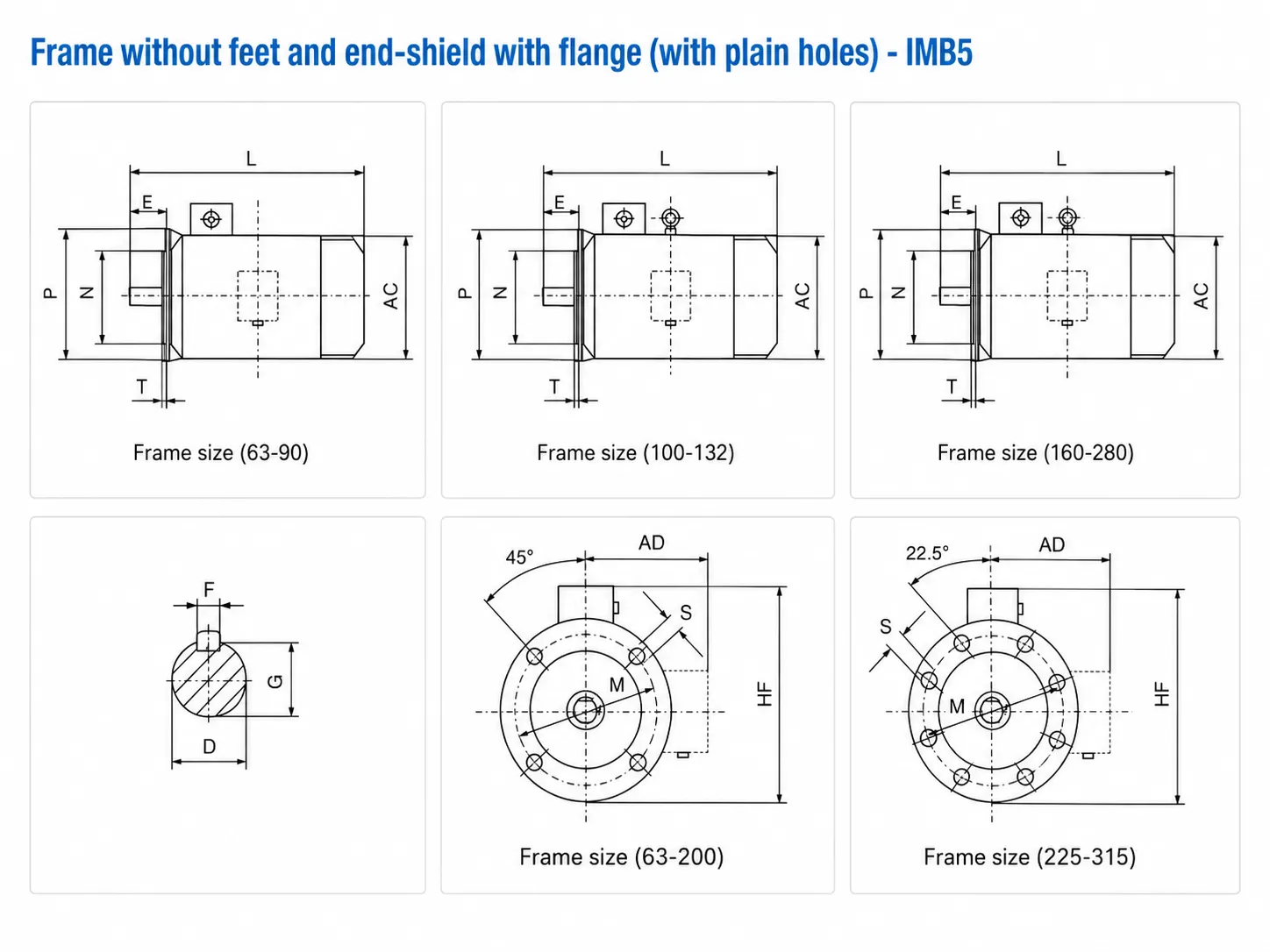
Zonedrevmotoren og gearkassen skal passe inden for transportbåndsrammens laterale hylster, typisk 600 til 1.200 mm bred for en palletransportør. Motoren er normalt monteret under transportbåndsrammen mellem de to sideskinner. Korea Ever-Power Y2-motorer i IEC 71 (akselhøjde 71 mm) til IEC 100 (akselhøjde 100 mm) er kompakte nok til at passe inden for standard palletransportbåndsrammebredder, når de monteres med akselaksen parallelt med transportbåndets kørselsretning. Bekræft motorrammens dimensioner i forhold til den tilgængelige plads i transportbåndsdesignet, før motorrammens størrelse specificeres.
Når motoren skal monteres med sin akselakse vinkelret på rulleaksen (for eksempel i et smalt transportbånd, hvor motoren skal installeres mellem tilstødende ruller fra siden), giver et konisk spiralgear 90-graders vinkelændring med høj effektivitet (92 til 96%), samtidig med at den samlede drivenhed holdes kompakt. Korea Ever-Power K-seriens koniske spiralgear med IEC B5-indgangsflange tilsluttes direkte til Y2-motoren og giver en retvinklet udgang ved forhold fra 8,1:1 til 176:1 - ideelt til rulletransportørzonedrev, der kræver retvinklet montering.
Standard industrielle rulletransportørmotorer i lager- og distributionscentre kræver kun IP54-beskyttelse – miljøet er rent og tørt. IP55 anbefales til transportører i våde områder såsom læssebroer til kølelagre, indgående og udgående transportører til drikkevarefabrikker eller udendørs overdækkede læsseområder, hvor der er risiko for regnstænk. Spultransportører i fødevareforarbejdningsområder kræver BXG IP69K rustfri stålmotorer i stedet for standard Y2-motorer.
6. Korea Ever-Power Y2-serien til rulletransportører
Korea Ever-Power Y2-serien i kompakte IEC 71 til 132-rammer dækker området fra 0,12 til 5,5 kW, der kræves til rulletransportørzonedrev, linjeakseldrev og akkumuleringstransportørmotorer. Den 4-polede Y2 ved 1.450 o/min er standardkonfigurationen til alle rulletransportørzonedrevsapplikationer - parret med inline-spiralgear, retvinklede koniske-spiralgear eller NMRV-snekkegear afhængigt af layout og hastighedskrav. For transportbåndssystemer, der kræver zone-VFD-hastighedsstyring, skal YVF2-invertermotoren specificeres i stedet for standard Y2 for pålidelig drift på tværs af hele zonehastighedsområdet. Det komplette Y2-område er i trefaset motorsektionKontakt Koreas evige magt til valg af drivmotor og gearkassepakke i transportbåndszonen.
| Effektområde | 0,12–5,5 kW |
| Stelstørrelser | IEC 71, 80, 90, 100, 112, 132 |
| Standardstænger | 4-polet (1.450 o/min) |
| Effektivitet | IE3 |
| IP-klassificering | IP54-standard |
| Servicefaktor | 1,15 (akkumulering) |
| Gearkasse-mulighed | R inline / K-skråning / NMRV |
| Pligt | S1 / S3 afhængigt af zonestyring |
7. Anvendelser af rulletransportører
Palleakkumuleringstransportør
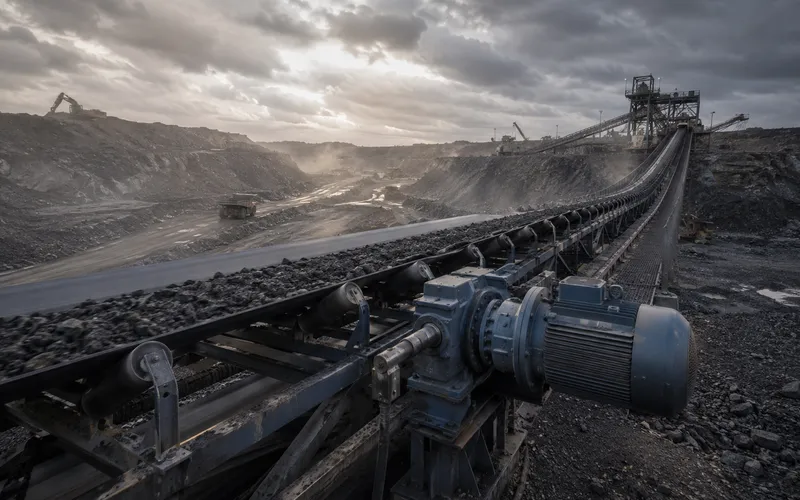
Palletransportsystemer i distributionscentre, produktionsanlæg og kølelagre bruger zonedrevne rulletransportører til palletransport, akkumulering ved dockingstationer og overførsel til AS/RS-indføring. Y2 0,12 til 0,55 kW pr. zone, 4-polet, parret med inline-spiralgearkasse ved 20:1 til 80:1 for en pallehastighed på 0,1 til 0,3 m/s. Nultryksakkumuleringskontrol via zonefotocellesensorer og zonemotorstartere styret af transportbåndets PLC. |

Kartonsorteringstransportør
Højhastighedskartonsorteringssystemer til e-handelsordrer og postsortering bruger rullebaner med en hastighed på 0,5 til 1,5 m/s med korte zonedrevmotorer med en effekt på 0,12 til 0,37 kW, 4-polet. Ved høj kapacitet (3.000 til 10.000 kartoner/time) nærmer zonens start-stop-cyklus sig Y2-motorens termiske grænse — angiv S3 40%-drift, og bekræft motorens startfrekvens i forhold til Y2-specifikationen for maksimale starter pr. time, før du bestiller. |
Enkelt Y2 0,37 til 2,2 kW pr. 10 til 20 m akselsektion, der driver alle ruller gennem O-ringe. Enkel og pålidelig til kontinuerlig ikke-akkumulerende transport. Almindelig i produktionslinjer, hvor produkter bevæger sig med konstant flow. Servicefaktor 1,0 for ikke-akkumulerende drift.
Rullebaner i frysehuse (-25 til -18°C) til palle- og kassetransport. Y2 0,12 til 0,55 kW, 4-polet, IP55. Lavtemperaturlejefedt kræves. Klasse F-isolering på statorviklingen bekræftet til kolde omgivelser. Angiv kølehusoption ved bestilling.
Motoriserede rullebaner i bil- og elektronikmontering transporterer arbejdsbærere (paller eller vogne) mellem monteringsstationer. Y2 0,12 til 0,37 kW pr. zone, 4-polet, parret med retvinklet konisk spiralgearkasse til kompakt installation mellem skinner. Zonestyring stopper bæreren ved hver monteringsstation.
Skrå rullebaner med 5 til 15 graders vinkel for niveauforskel mellem transportbåndssektioner. Y2 0,18 til 1,1 kW pr. zone afhængigt af hældningsvinkel, lastvægt og zonelængde. Anvend hældningens tyngdekraftkomponent: F-hældning = W × g × sin(vinkel). Ved stejle stigninger kræves tilbagerulningsspærre eller Y2EJ-bremsemotor.

8. Ofte stillede spørgsmål
Redigeret af Cxm