2. Θεωρία αυτοασφαλιζόμενων γραναζιών με σκουλήκι
3. Επιλογή αναλογίας για γωνία κλίσης
4. Όρια αξιοπιστίας αυτοασφαλιζόμενου συστήματος
5. Θερμική λειτουργία σε κεκλιμένη κίνηση
6. Προδιαγραφές NMRV για κεκλιμένο μεταφορικό ιμάντα
7. Εφαρμογές κεκλιμένων μεταφορικών ταινιών
8. Συχνές ερωτήσεις
1. Κίνδυνος ανατροπής σε κεκλιμένους μεταφορικούς ιμάντες
Οποιοσδήποτε μεταφορικός ιμάντας λειτουργεί σε κλίση πάνω από τη γωνία ηρεμίας του μεταφερόμενου υλικού θα παρουσιάσει αντίστροφη κίνηση υλικού υπό την επίδραση της βαρύτητας όταν ο κινητήρας κίνησης απενεργοποιηθεί. Για τους μεταφορικούς ιμάντες, αυτή είναι η κύλιση του ιμάντα και του φορτίου προς τα πίσω. Για τους κοχλιωτούς μεταφορικούς ιμάντες, αυτή είναι η αντίστροφη περιστροφή του κοχλία υπό το βάρος του υλικού στην αύλακα. Η σοβαρότητα της κύλισης εξαρτάται από τη γωνία κλίσης, την πυκνότητα του υλικού και το μήκος του φορτωμένου τμήματος.
Όταν ένας φορτωμένος κεκλιμένος ιμάντας μεταφοράς κυλάει προς τα πίσω, ο ιμάντας αντιστρέφει την κατεύθυνση υπό το βάρος του υλικού στην πλευρά μεταφοράς. Εάν η κίνηση είναι ένα τυπικό ελικοειδές ή κωνικό κιβώτιο ταχυτήτων χωρίς αναστολέα ή φρένο, η ταχύτητα κύλισης μπορεί να φτάσει 2 έως 5 φορές την κανονική ταχύτητα του ιμάντα καθώς το φορτίο επιταχύνεται υπό την επίδραση της βαρύτητας. Σε αυτήν την ταχύτητα, ο ιμάντας μπορεί να αναπηδήσει στους αδρανείς τροχούς, να χυθεί υλικό ή να σπάσει εάν η κύλιση σταματήσει ξαφνικά από την επιστροφή του κινητήρα σε λειτουργία. Ένας κινητήρας με κοχλία NMRV με λόγο 40:1 ή μεγαλύτερο κρατά τον ιμάντα ακίνητο αμέσως όταν ο κινητήρας σταματήσει, αποτρέποντας κάθε κίνηση κύλισης.
Ένας κεκλιμένος κοχλιωτός μεταφορέας (ανυψωτήρας κοχλία) που μεταφέρει κοκκώδες υλικό σε γωνίες άνω των 15 μοιρών θα κινηθεί αντίστροφα λόγω της βαρύτητας όταν ο κινητήρας σταματήσει, εκκενώνοντας υλικό πίσω στο άκρο εισόδου. Σε απότομες γωνίες (30 έως 45 μοίρες), αυτή η αντίστροφη ροή είναι γρήγορη και βίαιη, ενδεχομένως μπλοκάροντας την είσοδο με μια αύξηση του επιστρεφόμενου υλικού. Το NMRV μειωτήρας ατέρμονα κοχλία Η ιδιότητα αυτοασφαλισμού σε αναλογία 40:1 και άνω κρατά τη βίδα ακίνητη όταν ο κινητήρας είναι απενεργοποιημένος, αποτρέποντας οποιαδήποτε αντίστροφη ροή υλικού.
Οι μεταφορικοί ιμάντες σε μικρές κλίσεις (κάτω των 10 μοιρών) που μεταφέρουν υλικά με υψηλή γωνία ηρεμίας (χονδρόκοκκα αδρανή, ροκανίδια ξύλου ή υλικό σε ιμάντα με υψηλή τριβή στα πλευρικά τοιχώματα) μπορούν να σταματήσουν χωρίς κύλιση ακόμη και χωρίς αυτοασφαλιζόμενο μηχανισμό κίνησης. Ωστόσο, εάν ο μεταφορικός ιμάντας επανεκκινηθεί υπό πλήρες φορτίο χωρίς προστασία κύλισης, ο κινητήρας πρέπει να παράγει επαρκή ροπή κλειδωμένου ρότορα για να επανεκκινήσει τον ιμάντα έναντι τόσο της αντίστασης κίνησης όσο και της στατικής τάσης του ιμάντα — η οποία σε μικρές κλίσεις είναι συχνά εντός των δυνατοτήτων του κινητήρα Y2 χωρίς πρόσθετα μέτρα.
2. Θεωρία αυτοασφαλιζόμενων γραναζιών με σκουλήκι
tan(λ) < μ / cos(α)
όπου:
λ = γωνία αγωγού σκουληκιού
μ = συντελεστής τριβής στη διεπαφή ατέρμονα τροχού
α = γωνία πίεσης του σκουληκιού (συνήθως 20°) Η γωνία ηλεκτροδίου λ μειώνεται καθώς αυξάνεται ο λόγος — υψηλότερος λόγος = μικρότερη γωνία ηλεκτροδίου = πιο αξιόπιστη αυτοασφαλιζόμενη λειτουργία.
| Αναλογία 5:1 | λ ≈ 22° — μη αυτοασφαλιζόμενο |
| Αναλογία 15:1 | λ ≈ 11° — οριακή |
| Αναλογία 30:1 | λ ≈ 5,5° — συνήθως αυτοασφαλιζόμενο |
| Αναλογία 40:1 | λ ≈ 4,2° — αξιόπιστα αυτοασφαλιζόμενο |
| Αναλογία 60:1+ | λ < 3° — έντονα αυτοασφαλιζόμενο |
Η ιδιότητα αυτοασφαλισμού βασίζεται στην τριβή στη διεπαφή επαφής ατέρμονα κοχλία. Ο συντελεστής τριβής μ μεταξύ του τροχού από φωσφορούχο χαλκό και του ατέρμονα κοχλία από σκληρυμένο χάλυβα σε κανονικά κιβώτια ταχυτήτων NMRV είναι 0,08 έως 0,15 ανάλογα με την ταχύτητα ολίσθησης, το ιξώδες του λιπαντικού και τη θερμοκρασία λειτουργίας. Σε συντελεστή τριβής άνω του 0,14 και γωνία κίνησης κάτω των 5 μοιρών (αναλογία 40:1 και άνω), ο ατέρμονας κοχλία αυτοασφαλίζεται υπό όλες τις κανονικές συνθήκες λειτουργίας. Κάτω από συντελεστή τριβής 0,08 (για παράδειγμα, με πλημμυρισμένο λουτρό λαδιού σε υψηλή θερμοκρασία), η αυτοασφαλισμός μπορεί να χαθεί ακόμη και σε υψηλές αναλογίες - ένας βασικός περιορισμός που διέπει την ασφαλή χρήση του αυτοασφαλιζόμενου ατέρμονα κοχλία για την αντιολισθητική κύλιση κεκλιμένων μεταφορικών ταινιών.
3. Επιλογή σχέσης μετάδοσης για ταχύτητα εξόδου κεκλιμένου μεταφορέα
Η σχέση μετάδοσης καθορίζεται τόσο από την απαιτούμενη ταχύτητα εξόδου όσο και από την απαίτηση αυτοασφαλιζόμενου συστήματος. Για εφαρμογές κεκλιμένων μεταφορικών ταινιών, επιλέγετε πάντα μια σχέση 40:1 ή μεγαλύτερη ανεξάρτητα από την απαιτούμενη ταχύτητα εξόδου — εάν η απαιτούμενη ταχύτητα είναι υψηλότερη από την ελάχιστη δυνατή ταχύτητα στα 40:1, η γωνία κλίσης και το φορτίο πρέπει να ελεγχθούν για να επιβεβαιωθεί εάν είναι αποδεκτή μια μη αυτοασφαλιζόμενη κίνηση με εξωτερικό σύστημα ασφαλείας ή φρένο.
| Τύπος μεταφορικού ιμάντα | Τυπική ταχύτητα εξόδου | Ελάχιστη αναλογία (αυτοκλείδωμα) | Μέγεθος NMRV | Ισχύς κινητήρα |
|---|---|---|---|---|
| Κεκλιμένος ιμάντας (ελαφρύ υλικό) | 20–50 σ.α.λ. | 40:1 λεπτό | NMRV 063–075 | 0,55–2,2 kW |
| Κεκλιμένος ιμάντας (μεσαίο φορτίο) | 15–36 σ.α.λ. | 40:1 λεπτό | NMRV 075–090 | 1,5–5,5 kW |
| Ανυψωτικό κοχλία (15°–30°) | 30–90 σ.α.λ. | 40:1 λεπτό | NMRV 063–090 | 0,75–4,0 kW |
| Ανυψωτικό κοχλία (30°–45°) | 20–60 σ.α.λ. | 60:1 λεπτό | NMRV 075–090 | 1,1–5,5 kW |
| Κάθετη βίδα (90°) | 15–40 σ.α.λ. | Απαιτείται φρένο | NMRV 075–090 | 1,5–7,5 kW |
Διάμετρος βίδας = 200 mm. Στοχευόμενη απόδοση = 10 t/h. Υλικό: κόκκος σιταριού, 780 kg/m³. Βήμα βίδας = 200 mm. Απαιτούμενες στροφές ανά λεπτό = (10.000 kg/h ÷ 780 kg/m³) ÷ (π × 0,1² × 0,2 m × 60 λεπτά/ώρα × συντελεστής πλήρωσης 0,4) = 12,8 m³/h ÷ 0,094 m³/περιστροφή ÷ 60 = περίπου 57 σ.α.λ.Σε 4πολικό κινητήρα 1.450 σ.α.λ.: απαιτούμενη σχέση = 1.450 ÷ 57 = 25,4. Αλλά για να ικανοποιήσετε την απαίτηση αυτοασφαλίσματος, επιλέξτε 40:1 → έξοδος 36 σ.α.λ. Αυξήστε τη διάμετρο ή το βήμα της βίδας για να επιτύχετε την επιθυμητή απόδοση στις 36 σ.α.λ. Επιλέξτε NMRV 075, αναλογία 40:1, Y2 1,1 kW, 4-πολικό.
4. Όρια αξιοπιστίας αυτοασφαλιζόμενου συστήματος και πότε να προσθέσετε φρένο
Ένας ατέρμονας οδοντωτός τροχός που αυτοασφαλίζεται αξιόπιστα υπό στατικές συνθήκες μπορεί να προκαλέσει ερπυσμό λόγω συνεχών κραδασμών στον άξονα εξόδου. Εάν η κίνηση του μεταφορικού ιμάντα υπόκειται σε σημαντικούς κραδασμούς από τη δομή του μεταφορικού ιμάντα, την πρόσκρουση υλικού ή τα παρακείμενα μηχανήματα, η ενέργεια δόνησης μπορεί να μειώσει τον αποτελεσματικό συντελεστή τριβής κάτω από το όριο αυτοασφαλισμού, επιτρέποντας αργή αντίστροφη ερπυσμό. Για εφαρμογές με σημαντικούς κραδασμούς, προσθέστε έναν κινητήρα φρένου Y2EJ στη θέση του τυπικού κινητήρα Y2 στο κιβώτιο ταχυτήτων NMRV για να παρέχετε θετική συγκράτηση ανεξάρτητα από τις συνθήκες κραδασμών.
Ο συντελεστής τριβής στην επαφή του ατέρμονα κοχλία μειώνεται σημαντικά καθώς το ιξώδες του λιπαντικού μειώνεται με τη θερμοκρασία. Σε θερμοκρασίες λαδιού κιβωτίου ταχυτήτων άνω των 70°C (κάτι που μπορεί να συμβεί σε υψηλούς συντελεστές λειτουργίας ή σε περιβάλλοντα με υψηλή θερμοκρασία περιβάλλοντος), ο συντελεστής τριβής μπορεί να πέσει κάτω από το όριο αυτοασφαλιζόμενου λαδιού ακόμη και σε αναλογίες 40:1 ή μεγαλύτερες. Παρακολουθήστε τη θερμοκρασία λαδιού του κιβωτίου ταχυτήτων κατά τη θέση σε λειτουργία και σε θερμές συνθήκες περιβάλλοντος. Εάν η θερμοκρασία λαδιού πλησιάσει τους 80°C, είτε μειώστε τον συντελεστή λειτουργίας, είτε βελτιώστε τον αερισμό, είτε προσθέστε έναν κινητήρα φρένου Y2EJ για να παρέχετε θετική συγκράτηση ανεξάρτητα από την κατάσταση αυτοασφαλιζόμενης τριβής.
Καθορίστε έναν κινητήρα φρένου Y2EJ στο κιβώτιο ταχυτήτων NMRV αντί για έναν τυπικό Y2 όταν ισχύει οποιοδήποτε από τα ακόλουθα: (1) κλίση μεταφορικού ιμάντα πάνω από 30 μοίρες όπου η δύναμη κύλισης είναι υψηλή· (2) προσωπικό ή προϊόν θα μπορούσε να τραυματιστεί ή να υποστεί ζημιά από ένα συμβάν κύλισης· (3) η εφαρμογή υπόκειται σε σημαντικούς κραδασμούς· (4) θερμοκρασία περιβάλλοντος πάνω από 40°C ή αναμενόμενη θερμοκρασία λαδιού κιβωτίου ταχυτήτων πάνω από 70°C· (5) αναλογία μεταξύ 20:1 και 35:1 όπου το αυτοασφαλιζόμενο σύστημα δεν είναι αξιόπιστο. Ο κινητήρας φρένου Y2EJ προσθέτει ασφαλή θετική συγκράτηση χωρίς αύξηση του μεγέθους του κιβωτίου ταχυτήτων ή της πολυπλοκότητας του μηχανισμού του μεταφορικού ιμάντα.
5. Ζητήματα θερμικής λειτουργίας για κεκλιμένους μεταφορικούς ιμάντες
Οι κινητήρες των κεκλιμένων μεταφορικών ταινιών λειτουργούν συνήθως με υψηλότερους συντελεστές φορτίου από τους οριζόντιους μεταφορείς, επειδή η βαρυτική συνιστώσα του φορτίου του ιμάντα δεν μηδενίζεται ακόμη και όταν ο μεταφορικός ιμάντας είναι ελαφρώς φορτωμένος — ο μηχανισμός κίνησης πρέπει πάντα να υπερνικά το βάρος του ιμάντα στην κλίση της πλευράς επιστροφής. Αυτό αυξάνει τη μέση ροπή λειτουργίας σε σύγκριση με έναν ισοδύναμο οριζόντιο μεταφορικό ιμάντα με την ίδια απόδοση.
Η θερμική ονομαστική τιμή του κιβωτίου ταχυτήτων NMRV βασίζεται σε συνεχή λειτουργία S1 με την δηλωμένη ισχύ εισόδου. Οι κινητήρες κεκλιμένων μεταφορικών ταινιών λειτουργούν συνεχώς (S1) με αυξημένη μέση ροπή σε σύγκριση με τους οριζόντιους μεταφορικούς ιμάντες. Εφαρμόστε συντελεστή λειτουργίας 1,25 έως 1,5 στην υπολογιζόμενη ισχύ εισόδου του κιβωτίου ταχυτήτων κατά την επιλογή του μεγέθους NMRV για μια εφαρμογή κεκλιμένου μεταφορικού ταινιόδρομου, για να διασφαλίσετε ότι η θερμική ονομαστική τιμή του κιβωτίου ταχυτήτων δεν θα ξεπεραστεί κατά τη διάρκεια εκτεταμένης συνεχούς λειτουργίας υπό μέγιστο φορτίο.
Όταν ένας ηλεκτρομειωτήρας NMRV τοποθετείται υπό γωνία για την κίνηση ενός κεκλιμένου μεταφορικού ιμάντα, η τυπική ποσότητα πλήρωσης λαδιού και οι θέσεις των βυσμάτων ενδέχεται να μην είναι κατάλληλες για τον κεκλιμένο προσανατολισμό τοποθέτησης. Να καθορίζετε πάντα τη γωνία προσανατολισμού τοποθέτησης όταν παραγγέλνετε το NMRV για μια εφαρμογή κεκλιμένου μεταφορικού ιμάντα, έτσι ώστε η Korea Ever-Power να μπορεί να παρέχει στο κιβώτιο ταχυτήτων τις σωστές θέσεις πλήρωσης λαδιού και βυσμάτων για τη συγκεκριμένη γωνία τοποθέτησης. Η λανθασμένη πλήρωση λαδιού σε μη τυπικό προσανατολισμό οδηγεί είτε σε έλλειψη λαδιού του πλέγματος ατέρμονα κοχλία (υποπλήρωση) είτε σε διαρροή λαδιού μέσω της στεγανοποίησης άξονα (υπερπλήρωση).
6. Προδιαγραφές ηλεκτρομειωτήρα NMRV για κεκλιμένους μεταφορικούς ιμάντες
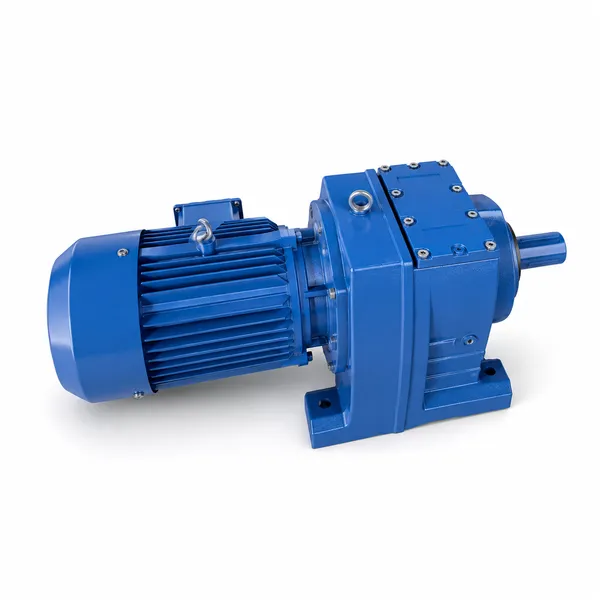
Οι ηλεκτρομειωτήρες με κοχλία Korea Ever-Power NMRV για εφαρμογές κεκλιμένων μεταφορικών ταινιών παρέχονται ως ταιριασμένοι και συναρμολογημένοι συνδυασμοί κινητήρα Y2 ή κινητήρα φρένου Y2EJ με μειωτήρα κοχλία NMRV 050 έως 090 σε αναλογίες από 40:1 έως 100:1. Η διαμόρφωση εξόδου ορθής γωνίας επιτρέπει στον ηλεκτρομειωτήρα να τοποθετείται στην τροχαλία κίνησης ή στο άκρο της βίδας χωρίς να απαιτείται στάδιο κιβωτίου ταχυτήτων με κλίση 90 μοιρών, μειώνοντας την πολυπλοκότητα και το κόστος κίνησης. Όλα τα μεγέθη NMRV δέχονται είσοδο κινητήρα Y2 και Y2EJ χωρίς τροποποίηση στο κιβώτιο ταχυτήτων. Η πλήρης γκάμα είναι διαθέσιμη στο... ενότητα προϊόντων με μειωτήραΕπικοινωνία Κορέα Ever-Power για προδιαγραφές κεκλιμένου προσανατολισμού τοποθέτησης και επιβεβαίωση πλήρωσης λαδιού.
| Αναλογία αυτοασφαλίσματος | 40:1 και άνω |
| Εύρος αναλογίας | 5:1 έως 100:1 (επιλέξτε 40:1+) |
| Επιλογές κινητήρα | Κινητήρας φρένου Y2 ή Y2EJ |
| Εύρος ισχύος | 0,06–22 kW |
| Ταχύτητα εξόδου (4P, 40:1) | 36 στροφές/λεπτό |
| Ταχύτητα εξόδου (4P, 100:1) | 14,5 σ.α.λ. |
| Άξονας εξόδου | Στερεά ή κοίλη οπή |
| Βάση | Επιβεβαίωση προσανατολισμού για πλήρωση λαδιού |
7. Εφαρμογές κεκλιμένων μεταφορικών ταινιών
Ανελκυστήρας με βίδα σιτηρών και τροφοδοσίας
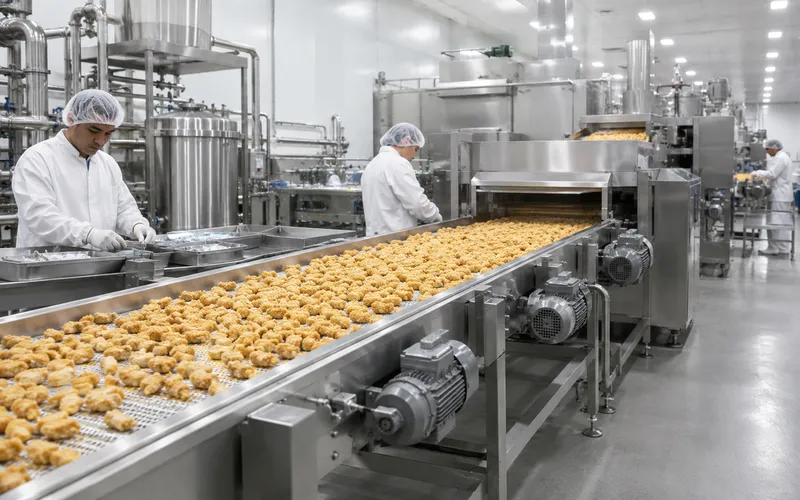
Κεκλιμένοι κοχλιομεταφορείς (15 έως 45 μοίρες) που μεταφέρουν σιτηρά, σφαιρίδια ζωοτροφής, ρύζι και αλεύρι σε εγκαταστάσεις χειρισμού σιτηρών και μύλους ζωοτροφών. NMRV 075–090 με Y2 ή Y2EJ στις 40:1 έως 60:1. Ταχύτητες βιδών 20 έως 60 σ.α.λ. Το αυτοασφαλιζόμενο στις 40:1 αποτρέπει την αντίστροφη ροή των σιτηρών όταν σταματά ο κινητήρας. Η επιλογή εξόδου κοίλης οπής επιτρέπει την άμεση τοποθέτηση στον άξονα του κοχλία χωρίς ξεχωριστό σύνδεσμο και προστατευτικό συνδέσμου. |
Κεκλιμένος μεταφορικός ιμάντας (ελαφρύ έως μεσαίο υλικό)
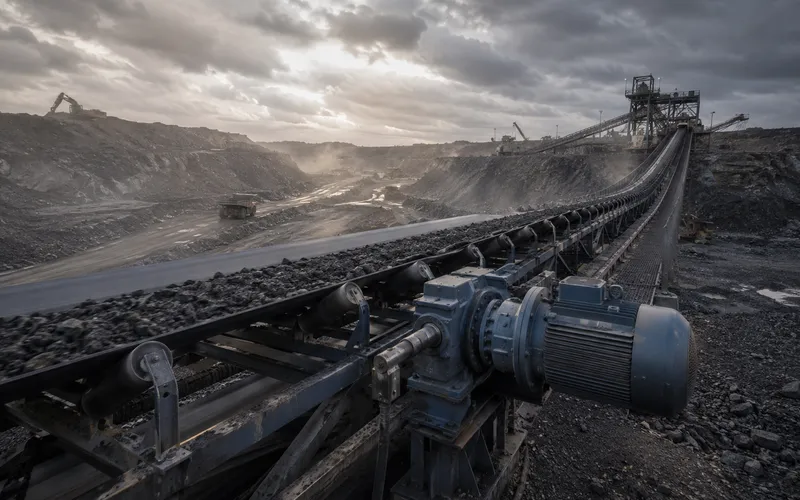
Κεκλιμένοι ιμάντες μεταφοράς σε γωνία 10 έως 30 μοιρών που χειρίζονται ελαφριά έως μεσαίου όγκου υλικά (ζάχαρη, αλάτι, πλαστικά σφαιρίδια, σιτηρά, κόκκους καφέ, ελαφριά αδρανή). Το NMRV 063–090 με Y2 σε αναλογία 40:1 έως 60:1 παρέχει αυτοασφαλιζόμενο σύστημα αντιολισθητικής κίνησης και αργή ταχύτητα μεταφορικού μέσου (24 έως 36 σ.α.λ. στον κύλινδρο κίνησης), κατάλληλο για την ακεραιότητα του προϊόντος. Για πιο απότομες κλίσεις ή βαριά αδρανή, αναβαθμίστε σε Y2 με ενσωματωμένο ελικοειδές κιβώτιο ταχυτήτων και συσκευή οπισθοπορείας αντί να βασίζεστε μόνο στο αυτοασφαλιζόμενο NMRV. |
Οι γραμμές διαλογής αστικών στερεών αποβλήτων χρησιμοποιούν κεκλιμένους ιμάντες μεταφοράς σε γωνία 20 έως 30 μοιρών για την τροφοδοσία υλικού στους σταθμούς διαλογής. NMRV 075 σε αναλογία 40:1 έως 60:1 με Y2 4-πολικό 0,75 έως 2,2 kW. Το αυτοασφαλιζόμενο σύστημα εμποδίζει τα απόβλητα να ολισθήσουν προς τα πίσω και να μπλοκάρουν την τροφοδοσία όταν ο ιμάντας σταματάει μεταξύ των λειτουργιών παραγωγής.
Κεκλιμένος ιμάντας ή τάβλας μεταφοράς για την ανύψωση των δίσκων καλλιέργειας μεταξύ των επιπέδων δαπέδου σε κάθετες εγκαταστάσεις αγροκτημάτων και θερμοκηπίων. Πολύ ελαφρύ φορτίο αλλά απότομη κλίση (30 έως 45 μοίρες). NMRV 040–050 στις 60:1 έως 100:1 με Y2 0,12 έως 0,37 kW. Απαραίτητη η αυτόματη ασφάλιση για την αποτροπή της καθόδου του δίσκου μεταξύ των κύκλων.
Κεκλιμένος κοχλιωτός μεταφορέας βιομάζας και ροκανιδιών ξύλου που τροφοδοτεί τον θάλαμο καύσης του λέβητα. Απότομη κλίση 30 έως 60 μοίρες. NMRV 075–090 με κινητήρα φρένου Y2EJ στις 40:1 έως 60:1 — Προδιαγράφεται κινητήρας φρένου Y2EJ επειδή οι κραδασμοί από τον λέβητα και την αλυσίδα του μεταφορέα θα μπορούσαν να απελευθερώσουν τον αυτοασφαλιζόμενο κοχλία. Το φρένο ασφαλούς λειτουργίας παρέχει θετική συγκράτηση μεταξύ των κύκλων τροφοδοσίας.
Κεκλιμένος ιμάντας ή λαμαρίνας μεταφοράς σε τελεφερίκ λιανικής πώλησης ή σε αυτόματο σύστημα αυτόματης πώλησης. Πολύ συμπαγής εγκατάσταση σε εξάρτημα καταστήματος. NMRV 025–040 στα 60:1 έως 100:1, Y2 ή YS 0,06 έως 0,18 kW. Το αυτοασφαλιζόμενο σύστημα εμποδίζει το προϊόν να ολισθήσει πίσω στην οθόνη όταν ο ιμάντας σταματάει μεταξύ των αγορών των πελατών.
8. Συχνές ερωτήσεις
Επεξεργασμένο από Cxm