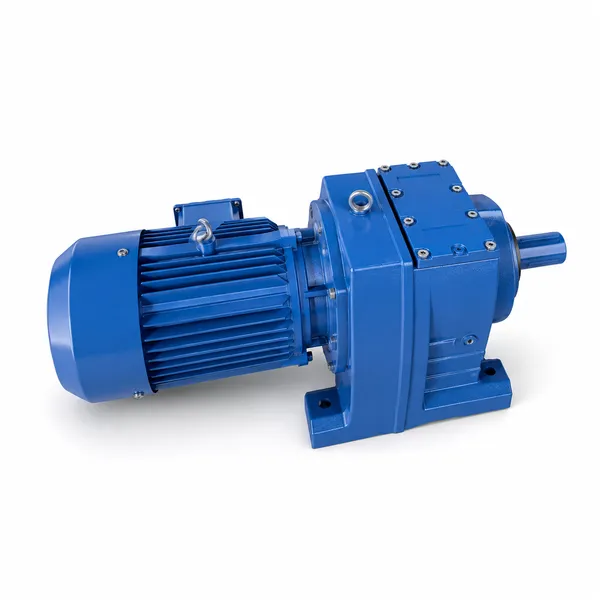
1. झुके हुए कन्वेयर पर रोलबैक का जोखिम
किसी भी कन्वेयर पर, यदि वह सामग्री के विश्राम कोण से अधिक झुकाव पर चल रहा हो, तो ड्राइव मोटर बंद होने पर गुरुत्वाकर्षण के कारण सामग्री की विपरीत दिशा में गति होगी। बेल्ट कन्वेयर के मामले में, यह बेल्ट और लोड का पीछे की ओर लुढ़कना है; स्क्रू कन्वेयर के मामले में, यह गर्त में सामग्री के भार के कारण स्क्रू का विपरीत घूर्णन है। पीछे की ओर लुढ़कने की तीव्रता झुकाव कोण, सामग्री के घनत्व और लोड किए गए भाग की लंबाई पर निर्भर करती है।
जब भारयुक्त झुका हुआ बेल्ट कन्वेयर पीछे की ओर घूमता है, तो सामग्री के भार के कारण बेल्ट की दिशा उलट जाती है। यदि ड्राइव एक मानक हेलिकल या बेवल गियरबॉक्स है जिसमें बैकस्टॉप या ब्रेक नहीं है, तो गुरुत्वाकर्षण के कारण भार के त्वरण से रोलबैक गति सामान्य बेल्ट गति से 2 से 5 गुना अधिक हो सकती है। इस गति पर बेल्ट ट्रफिंग आइडलर्स से उछल सकती है, सामग्री गिरा सकती है, या टूट सकती है यदि ड्राइव के अचानक चालू होने से रोलबैक रुक जाए। 40:1 या उससे अधिक अनुपात वाला NMRV वर्म गियरमोटर, मोटर के रुकने पर बेल्ट को तुरंत स्थिर कर देता है, जिससे रोलबैक की कोई गति नहीं रुकती।
15 डिग्री से अधिक के कोण पर दानेदार सामग्री ले जाने वाला झुका हुआ स्क्रू कन्वेयर (स्क्रू एलिवेटर) मोटर बंद होने पर गुरुत्वाकर्षण के कारण विपरीत दिशा में घूमने लगता है और सामग्री को वापस इनलेट सिरे पर छोड़ देता है। तीव्र कोणों (30 से 45 डिग्री) पर, यह विपरीत प्रवाह तीव्र और हिंसक होता है, जिससे वापस आई सामग्री के तेज बहाव से इनलेट जाम हो सकता है। एनएमआरवी वर्म गियर रिड्यूसर 40:1 और उससे अधिक के अनुपात पर स्व-लॉकिंग गुण मोटर के बंद होने पर स्क्रू को स्थिर रखता है, जिससे सामग्री का कोई भी बैक-फ्लो नहीं रुकता है।
कम ढलान (10 डिग्री से कम) पर चलने वाले कन्वेयर, जो उच्च विश्राम कोण वाली सामग्री (मोटा बजरी, लकड़ी के टुकड़े, या उच्च पार्श्व घर्षण वाली बेल्ट पर सामग्री) को ले जाते हैं, बिना सेल्फ-लॉकिंग ड्राइव के भी बिना रोलबैक के रुक सकते हैं। हालांकि, यदि कन्वेयर को रोलबैक सुरक्षा के बिना पूर्ण भार के साथ पुनः चालू किया जाता है, तो मोटर को चलने वाले प्रतिरोध और स्थिर बेल्ट तनाव दोनों के विरुद्ध बेल्ट को पुनः चालू करने के लिए पर्याप्त लॉक्ड-रोटर टॉर्क उत्पन्न करना होगा - जो कम ढलान पर अक्सर अतिरिक्त उपायों के बिना Y2 मोटर की क्षमता के भीतर होता है।
2. वर्म गियर का स्व-लॉकिंग सिद्धांत
tan(λ) < μ / cos(α)
कहाँ:
λ = वर्म लीड कोण
μ = वर्म-व्हील इंटरफ़ेस पर घर्षण गुणांक
α = वर्म का दबाव कोण (आमतौर पर 20°) लीड कोण λ अनुपात बढ़ने पर घटता है — उच्च अनुपात = छोटा लीड कोण = अधिक विश्वसनीय स्व-लॉकिंग।
| अनुपात 5:1 | λ ≈ 22° — स्व-लॉक नहीं होता |
| अनुपात 15:1 | λ ≈ 11° — सीमा रेखा |
| अनुपात 30:1 | λ ≈ 5.5° — आमतौर पर स्वतः लॉक होने वाला |
| अनुपात 40:1 | λ ≈ 4.2° — विश्वसनीय रूप से स्व-लॉकिंग |
| अनुपात 60:1+ | λ < 3° — अत्यधिक स्व-लॉकिंग |
सेल्फ-लॉकिंग गुण वर्म-व्हील संपर्क इंटरफ़ेस पर घर्षण पर निर्भर करता है। सामान्य NMRV गियरबॉक्स में फॉस्फोर-ब्रॉन्ज़ व्हील और कठोर स्टील वर्म के बीच घर्षण गुणांक μ, स्लाइडिंग गति, स्नेहक की श्यानता और परिचालन तापमान के आधार पर 0.08 से 0.15 तक होता है। 0.14 से अधिक घर्षण गुणांक और 5 डिग्री से कम लीड कोण (अनुपात 40:1 और उससे अधिक) पर, वर्म गियर सभी सामान्य परिचालन स्थितियों में सेल्फ-लॉकिंग होता है। 0.08 से कम घर्षण गुणांक (उदाहरण के लिए, उच्च तापमान पर तेल से भरे बाथ में) पर, उच्च अनुपात पर भी सेल्फ-लॉकिंग गुण समाप्त हो सकता है - यह एक महत्वपूर्ण सीमा है जो झुके हुए कन्वेयर पर रोलबैक रोधी संचालन के लिए वर्म गियर सेल्फ-लॉकिंग के सुरक्षित उपयोग को नियंत्रित करती है।
3. झुके हुए कन्वेयर की आउटपुट गति के लिए गियर अनुपात का चयन
गियर अनुपात आवश्यक आउटपुट गति और सेल्फ-लॉकिंग आवश्यकता दोनों द्वारा निर्धारित किया जाता है। झुके हुए कन्वेयर अनुप्रयोगों के लिए, आवश्यक आउटपुट गति की परवाह किए बिना हमेशा 40:1 या उससे अधिक का अनुपात चुनें - यदि आवश्यक गति 40:1 पर प्राप्त न्यूनतम गति से अधिक है, तो झुकाव कोण और भार की समीक्षा करके यह पुष्टि करनी होगी कि क्या बाहरी बैकस्टॉप या ब्रेक के साथ नॉन-सेल्फ-लॉकिंग ड्राइव स्वीकार्य है।
| कन्वेयर प्रकार | सामान्य आउटपुट गति | न्यूनतम अनुपात (स्व-लॉक) | एनएमआरवी आकार | मोटर शक्ति |
|---|---|---|---|---|
| झुकी हुई बेल्ट (हल्की सामग्री) | 20–50 आरपीएम | 40:1 मिनट | एनएमआरवी 063–075 | 0.55–2.2 किलोवाट |
| झुकी हुई बेल्ट (मध्यम भार) | 15–36 आरपीएम | 40:1 मिनट | एनएमआरवी 075–090 | 1.5–5.5 किलोवाट |
| स्क्रू एलिवेटर (15°–30°) | 30–90 आरपीएम | 40:1 मिनट | एनएमआरवी 063–090 | 0.75–4.0 किलोवाट |
| स्क्रू एलिवेटर (30°–45°) | 20–60 आरपीएम | 60:1 मिनट | एनएमआरवी 075–090 | 1.1–5.5 किलोवाट |
| ऊर्ध्वाधर पेंच (90°) | 15–40 आरपीएम | ब्रेक आवश्यक है | एनएमआरवी 075–090 | 1.5–7.5 किलोवाट |
पेंच का व्यास = 200 मिमी. लक्षित प्रवाह क्षमता = 10 टन/घंटा. सामग्री: गेहूं का दाना, 780 किलोग्राम/वर्ग मीटर. पेंच की पिच = 200 मिमी. आवश्यक आरपीएम = (10,000 किलोग्राम/घंटा ÷ 780 किलोग्राम/वर्ग मीटर) ÷ (π × 0.1² × 0.2 मीटर × 60 मिनट/घंटा × भरने का कारक 0.4) = 12.8 वर्ग मीटर/घंटा ÷ 0.094 वर्ग मीटर/वर्ष ÷ 60 = लगभग 57 आरपीएम4-पोल मोटर पर 1,450 आरपीएम के लिए आवश्यक अनुपात = 1,450 ÷ 57 = 25.4। लेकिन सेल्फ-लॉकिंग की आवश्यकता को पूरा करने के लिए, 40:1 का चयन करें → आउटपुट 36 आरपीएम। 36 आरपीएम पर लक्षित थ्रूपुट प्राप्त करने के लिए स्क्रू का व्यास या पिच बढ़ाएँ। NMRV 075, अनुपात 40:1, Y2 1.1 kW, 4-पोल चुनें।
4. सेल्फ-लॉकिंग की विश्वसनीयता सीमाएं और ब्रेक कब लगाना चाहिए
स्थिर अवस्था में विश्वसनीय रूप से स्वतः लॉक होने वाला वर्म गियर आउटपुट शाफ्ट पर निरंतर कंपन के कारण धीरे-धीरे खिसक सकता है। यदि कन्वेयर ड्राइव कन्वेयर संरचना, सामग्री के प्रभाव या आस-पास की मशीनरी से उत्पन्न महत्वपूर्ण कंपन के अधीन है, तो कंपन ऊर्जा प्रभावी घर्षण गुणांक को स्वतः लॉक होने की सीमा से नीचे गिरा सकती है, जिससे धीमी गति से विपरीत दिशा में खिसकना संभव हो जाता है। महत्वपूर्ण कंपन वाले अनुप्रयोगों के लिए, कंपन की स्थिति की परवाह किए बिना स्थिर पकड़ प्रदान करने के लिए NMRV गियरबॉक्स पर मानक Y2 मोटर के स्थान पर Y2EJ ब्रेक मोटर लगाएं।
तापमान बढ़ने के साथ लुब्रिकेंट की चिपचिपाहट कम होने पर वर्म-व्हील संपर्क पर घर्षण गुणांक काफी कम हो जाता है। गियरबॉक्स तेल का तापमान 70°C से अधिक होने पर (जो उच्च ड्यूटी फैक्टर या उच्च परिवेश तापमान वाले वातावरण में हो सकता है), घर्षण गुणांक 40:1 या उससे अधिक के अनुपात पर भी सेल्फ-लॉकिंग सीमा से नीचे गिर सकता है। चालू करने के दौरान और गर्म परिवेश में गियरबॉक्स तेल के तापमान की निगरानी करें। यदि तेल का तापमान 80°C के करीब पहुंच जाता है, तो या तो ड्यूटी फैक्टर कम करें, वेंटिलेशन में सुधार करें, या सेल्फ-लॉकिंग घर्षण स्थिति से स्वतंत्र रूप से सकारात्मक होल्डिंग प्रदान करने के लिए Y2EJ ब्रेक मोटर लगाएं।
निम्नलिखित में से कोई भी स्थिति होने पर NMRV गियरबॉक्स पर मानक Y2 के बजाय Y2EJ ब्रेक मोटर का उपयोग करें: (1) कन्वेयर का झुकाव 30 डिग्री से अधिक हो, जहाँ रोलबैक बल अधिक हो; (2) रोलबैक की घटना से कर्मियों या उत्पाद को चोट या क्षति पहुँच सकती हो; (3) अनुप्रयोग में महत्वपूर्ण कंपन हो; (4) परिवेश का तापमान 40°C से अधिक हो या गियरबॉक्स तेल का अपेक्षित तापमान 70°C से अधिक हो; (5) अनुपात 20:1 और 35:1 के बीच हो, जहाँ सेल्फ-लॉकिंग विश्वसनीय न हो। Y2EJ ब्रेक मोटर गियरबॉक्स के आकार या कन्वेयर तंत्र की जटिलता में वृद्धि किए बिना फेल-सेफ पॉजिटिव होल्डिंग प्रदान करती है।
5. झुके हुए कन्वेयर ड्राइव के लिए थर्मल ड्यूटी संबंधी विचार
झुके हुए कन्वेयर ड्राइव आमतौर पर क्षैतिज कन्वेयर की तुलना में उच्च ड्यूटी फैक्टर पर काम करते हैं क्योंकि बेल्ट लोड का गुरुत्वाकर्षण घटक तब भी शून्य नहीं होता जब कन्वेयर पर हल्का भार हो - ड्राइव को हमेशा वापसी की ओर झुकाव पर बेल्ट के वजन को पार करना पड़ता है। इससे समान थ्रूपुट पर समतुल्य क्षैतिज कन्वेयर की तुलना में औसत चलने वाला टॉर्क बढ़ जाता है।
एनएमआरवी गियरबॉक्स की थर्मल रेटिंग, निर्दिष्ट इनपुट पावर के साथ निरंतर एस1 ड्यूटी पर आधारित है। झुके हुए कन्वेयर ड्राइव, क्षैतिज कन्वेयर की तुलना में उच्च औसत टॉर्क पर निरंतर (एस1) रूप से संचालित होते हैं। झुके हुए कन्वेयर अनुप्रयोग के लिए एनएमआरवी का आकार चुनते समय, गणना की गई गियरबॉक्स इनपुट पावर पर 1.25 से 1.5 का सर्विस फैक्टर लागू करें ताकि अधिकतम लोड के तहत लंबे समय तक निरंतर संचालन के दौरान गियरबॉक्स की थर्मल रेटिंग पार न हो।
जब किसी झुके हुए कन्वेयर को चलाने के लिए NMRV गियरमोटर को किसी कोण पर लगाया जाता है, तो तेल भरने की मानक मात्रा और प्लग की स्थिति झुके हुए स्थान के लिए उपयुक्त नहीं हो सकती है। झुके हुए कन्वेयर के लिए NMRV ऑर्डर करते समय हमेशा लगाने का कोण निर्दिष्ट करें ताकि कोरिया एवर-पावर सही तेल भरने और प्लग की स्थिति के साथ गियरबॉक्स की आपूर्ति कर सके। मानक न होने पर गलत तरीके से तेल भरने से या तो वर्म मेश में तेल की कमी (अंडरफिल) हो सकती है या शाफ्ट सील से तेल का रिसाव (ओवरफिल) हो सकता है।
6. झुकाव वाले कन्वेयर ड्राइव के लिए एनएमआरवी गियरमोटर विनिर्देश
कोरिया एवर-पावर एनएमआरवी वर्म गियरमोटर, झुकाव वाले कन्वेयर अनुप्रयोगों के लिए, वाई2 मोटर या वाई2ईजे ब्रेक मोटर के साथ एनएमआरवी 050 से 090 वर्म गियर रिड्यूसर के मिलान और संयोजन के रूप में 40:1 से 100:1 के अनुपात में आपूर्ति की जाती हैं। समकोण आउटपुट कॉन्फ़िगरेशन गियरमोटर को 90-डिग्री बेवल गियरबॉक्स स्टेज की आवश्यकता के बिना ड्राइव पुली या स्क्रू एंड पर माउंट करने की अनुमति देता है, जिससे ड्राइव की जटिलता और लागत कम हो जाती है। सभी एनएमआरवी आकार गियरबॉक्स में बिना किसी संशोधन के वाई2 और वाई2ईजे मोटर इनपुट दोनों को स्वीकार करते हैं। पूरी रेंज उपलब्ध है। गियरमोटर उत्पाद अनुभाग। संपर्क कोरिया एवर-पावर झुकाव वाले माउंटिंग ओरिएंटेशन विनिर्देशों और तेल भरने की पुष्टि के लिए।
| स्व-लॉकिंग अनुपात | 40:1 और उससे अधिक |
| अनुपात सीमा | 5:1 से 100:1 तक (40:1+ चुनें) |
| मोटर विकल्प | Y2 या Y2EJ ब्रेक मोटर |
| शक्ति सीमा | 0.06–22 किलोवाट |
| आउटपुट गति (4P, 40:1) | 36 आरपीएम |
| आउटपुट गति (4P, 100:1) | 14.5 आरपीएम |
| आउटपुट शॉफ़्ट | ठोस या खोखला बोर |
| बढ़ते | तेल भरने के लिए दिशा की पुष्टि करें |
7. झुके हुए कन्वेयर के अनुप्रयोग
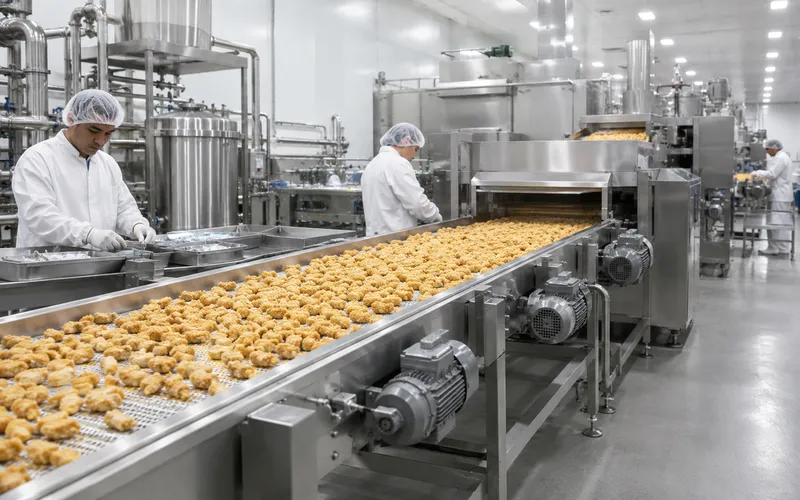
अनाज और चारा स्क्रू लिफ्ट
अनाज प्रसंस्करण संयंत्रों और पशु आहार मिलों में अनाज, फ़ीड पेलेट्स, चावल और आटा स्थानांतरित करने के लिए झुके हुए स्क्रू कन्वेयर (15 से 45 डिग्री)। NMRV 075–090, Y2 या Y2EJ के साथ 40:1 से 60:1 के अनुपात में उपलब्ध हैं। स्क्रू की गति 20 से 60 आरपीएम है। 40:1 के अनुपात पर स्वतः लॉकिंग मोटर के रुकने पर अनाज के विपरीत प्रवाह को रोकती है। खोखले बोर आउटपुट विकल्प के कारण इसे अलग कपलिंग और कपलिंग गार्ड के बिना सीधे स्क्रू शाफ्ट पर लगाया जा सकता है। |
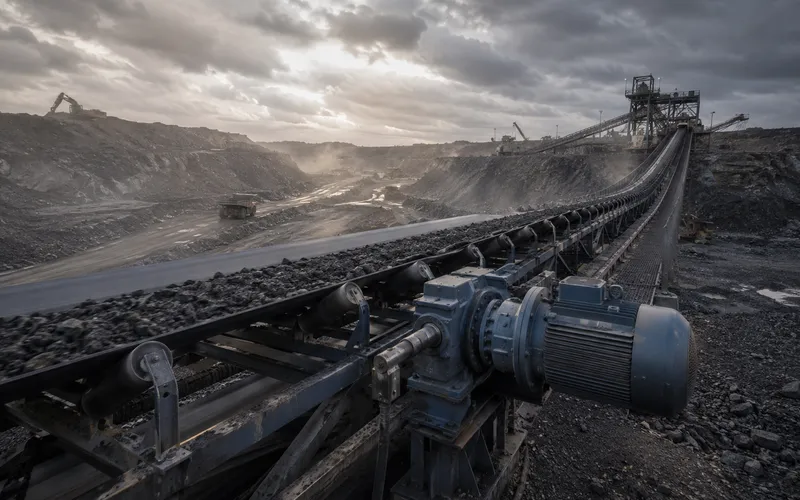
झुका हुआ बेल्ट कन्वेयर (हल्के से मध्यम सामग्री के लिए)
10 से 30 डिग्री के झुकाव वाले बेल्ट कन्वेयर हल्के से मध्यम थोक सामग्री (चीनी, नमक, प्लास्टिक पेलेट्स, अनाज, कॉफी बीन्स, हल्के एग्रीगेट) को संभालते हैं। 40:1 से 60:1 के अनुपात पर Y2 के साथ NMRV 063–090 स्व-लॉकिंग एंटी-रोलबैक और धीमी कन्वेयर गति (ड्राइव रोलर पर 24 से 36 आरपीएम) प्रदान करता है, जो उत्पाद की गुणवत्ता के लिए उपयुक्त है। अधिक झुकाव या भारी एग्रीगेट के लिए, केवल NMRV स्व-लॉकिंग पर निर्भर रहने के बजाय, इनलाइन हेलिकल गियरबॉक्स और बैकस्टॉप डिवाइस के साथ Y2 में अपग्रेड करें। |
नगरपालिका ठोस अपशिष्ट छँटाई लाइनें सामग्री को छँटाई स्टेशनों तक पहुँचाने के लिए 20 से 30 डिग्री के झुकाव वाले बेल्ट कन्वेयर का उपयोग करती हैं। NMRV 075 40:1 से 60:1 अनुपात में Y2 4-पोल 0.75 से 2.2 kW के साथ उपलब्ध है। स्व-लॉकिंग प्रणाली उत्पादन चक्रों के बीच कन्वेयर के रुकने पर अपशिष्ट सामग्री को वापस फिसलने और इनफीड को जाम करने से रोकती है।
ऊर्ध्वाधर कृषि और ग्रीनहाउस सुविधाओं में फर्श के स्तरों के बीच बढ़ते ट्रे को ऊपर उठाने के लिए झुकी हुई बेल्ट या स्लैट कन्वेयर का उपयोग किया जाता है। बहुत हल्का भार लेकिन तीव्र झुकाव (30 से 45 डिग्री)। NMRV 040–050, 60:1 से 100:1 अनुपात पर, Y2 0.12 से 0.37 kW के साथ। चक्रों के बीच ट्रे को नीचे गिरने से रोकने के लिए स्व-लॉकिंग आवश्यक है।
बायोमास और लकड़ी के चिप्स को बॉयलर दहन कक्ष में पहुंचाने वाला झुका हुआ स्क्रू कन्वेयर। 30 से 60 डिग्री का तीव्र झुकाव। NMRV 075–090, 40:1 से 60:1 अनुपात वाले Y2EJ ब्रेक मोटर के साथ। Y2EJ ब्रेक मोटर का उपयोग इसलिए किया गया है क्योंकि बॉयलर और कन्वेयर चेन से होने वाले कंपन से वर्म सेल्फ-लॉकिंग खुल सकती है; फेल-सेफ ब्रेक फीड चक्रों के बीच सकारात्मक पकड़ सुनिश्चित करता है।
रिटेल डिस्प्ले गोंडोला या स्वचालित वेंडिंग सिस्टम में झुका हुआ बेल्ट या स्लैट कन्वेयर। स्टोर फिक्स्चर में बेहद कॉम्पैक्ट इंस्टॉलेशन। NMRV 025–040, 60:1 से 100:1 अनुपात पर, Y2 या YS 0.06 से 0.18 kW। सेल्फ-लॉकिंग सुविधा यह सुनिश्चित करती है कि ग्राहक की खरीदारी के बीच कन्वेयर के रुकने पर उत्पाद डिस्प्ले पर वापस न खिसके।
8. अक्सर पूछे जाने वाले प्रश्न
Cxm द्वारा संपादित