1. गेट और बैरियर ड्राइव के प्रकार
बूम बैरियर एक काउंटरबैलेंस्ड आर्म को क्षैतिज (बंद) से ऊर्ध्वाधर (खुला) लगभग 90 डिग्री तक घुमाता है। काउंटरबैलेंस स्प्रिंग आर्म को उठाने के लिए आवश्यक मोटर टॉर्क को कम करता है - स्प्रिंग उठाने का अधिकांश कार्य करता है, और मोटर मुख्य रूप से गति और त्वरण को नियंत्रित करता है। वर्म गियरमोटर का आउटपुट शाफ्ट आर्म पिवट से जुड़ा होता है, और उपयोग के आधार पर आर्म 2 से 6 सेकंड में घूमता है। अधिक ट्रैफिक वाले पार्किंग स्थलों के लिए तेज़ गति से काम करने वाले बैरियर: 1.5 से 2.5 सेकंड का खुला समय। सुरक्षा बैरियर: बाधा का पता लगाने की सुविधा के साथ 3 से 6 सेकंड का खुला समय।
औद्योगिक सुरक्षा द्वार रेल या कैंटिलीवर के सहारे क्षैतिज रूप से एक तरफ से खुलते हैं। द्वारों की चौड़ाई 2 मीटर से 12 मीटर तक होती है और प्रत्येक पत्ते का वजन 50 से 2,000 किलोग्राम तक होता है। वर्म गियर मोटर रैक-एंड-पिनियन या चेन ड्राइव तंत्र को चलाती है, जिससे द्वार का पत्ता रेल पर आगे बढ़ता है। द्वार खुलने में आमतौर पर 10 से 30 सेकंड लगते हैं। मोटर बंद होने पर स्वतः लॉक होने की सुविधा के कारण द्वार को हाथ से धक्का देकर खोलना संभव नहीं होता।
औद्योगिक स्विंग गेट (एक या दो पल्ले वाले) एक ऊर्ध्वाधर हिंज पोस्ट के चारों ओर 90 से 120 डिग्री तक घूमते हैं। वर्म गियरमोटर हिंज बिंदु पर लगा होता है और गेट के पल्ले को हिंज अक्ष के चारों ओर घुमाता है। गेट के पल्ले का वजन 50 से 500 किलोग्राम तक होता है। औद्योगिक प्रवेश द्वारों के लिए खुलने का समय 10 से 30 सेकंड है। स्व-लॉकिंग प्रणाली तेज हवाओं में भी गेट को बंद रखती है और बिजली बंद होने पर इसे हाथ से खोलने की आवश्यकता नहीं होती है।
सुरक्षा बोलार्ड जमीन के नीचे से वाहन की आवाजाही की ऊंचाई (आमतौर पर जमीन से 600 से 900 मिमी ऊपर) तक उठते हैं ताकि वाहनों का प्रवेश रोका जा सके। वर्म गियर मोटर 60:1 से 80:1 के अनुपात में एक ऊर्ध्वाधर उठाने वाले तंत्र को चलाती है, जिससे एक छोटी मोटर से भी उच्च उठाने की शक्ति मिलती है। उठने का समय 3 से 5 सेकंड है। इन अनुपातों पर अत्यधिक उच्च स्व-लॉकिंग टॉर्क मोटर बंद होने पर वाहन के संपर्क से बोलार्ड को नीचे धकेलने से रोकता है।
2. स्व-लॉकिंग सिद्धांत और सुरक्षा लाभ
वर्म गियर युग्म का स्वतः लॉकिंग गुण तब उत्पन्न होता है जब वर्म थ्रेड का लीड कोण वर्म गियर मेश के घर्षण कोण से कम होता है। सिंगल-स्टार्ट वर्म के लिए लगभग 30:1 से अधिक गियर अनुपात पर, गियर को आउटपुट शाफ्ट से बैक-ड्राइव नहीं किया जा सकता है - आउटपुट शाफ्ट पर लगाया गया कोई भी टॉर्क वर्म शाफ्ट को घुमाने के बजाय वर्म मेश संपर्क में पूरी तरह से ऊष्मा में परिवर्तित हो जाता है। इसका अर्थ है कि मोटर के बंद होने पर आउटपुट शाफ्ट बिना किसी बाहरी होल्डिंग डिवाइस के यांत्रिक रूप से लॉक हो जाता है।
फॉरवर्ड ड्राइव दक्षता: 72%
बैक-ड्राइव दक्षता: नकारात्मक (स्व-लॉकिंग)
मोटर का रेटेड टॉर्क: 2.0 एन·मी (0.37 किलोवाट, 4-पोल)
आगे की ओर आउटपुट टॉर्क: 2.0 × 40 × 0.72 = 57.6 N·m
300 मिमी त्रिज्या पर बूम आर्म पर लगने वाला बल: 192 N
बैक-ड्राइव प्रतिरोध: सैद्धांतिक रूप से अनंत — लॉक किए गए वर्म मेश के विरुद्ध भुजा को मैन्युअल रूप से नीचे नहीं धकेला जा सकता है।
हेलिकल गियरबॉक्स (दक्षता 95 से 97%) स्वतः लॉक नहीं होता है - मोटर बंद होने पर भी गेट को मैन्युअल रूप से धक्का देकर खोला जा सकता है क्योंकि हेलिकल गियर मेश को बैक-ड्राइव किया जा सकता है। सुरक्षा गेट के लिए हेलिकल गियरबॉक्स का उपयोग करने के लिए, गेट को बंद रखने के लिए एक अलग इलेक्ट्रिक ब्रेक या मैकेनिकल लॉक सोलेनोइड की आवश्यकता होती है। NMRV वर्म गियरमोटर 30:1 से अधिक अनुपात पर एक अंतर्निहित यांत्रिक गुण के रूप में स्वतः लॉकिंग प्रदान करता है, जिससे एक अलग लॉकिंग तंत्र की लागत और जटिलता समाप्त हो जाती है। आंतरिक यांत्रिक सुरक्षा की आवश्यकता वाले बैरियर गेट और सुरक्षा गेट अनुप्रयोगों के लिए, उच्च दक्षता वाले हेलिकल गियरबॉक्स की तुलना में NMRV वर्म गियरमोटर सही विकल्प है।
3. टॉर्क और खुलने के समय की गणना
भुजा का वजन: W = 18 किलोग्राम (एल्यूमीनियम बूम)
काउंटरबैलेंस स्प्रिंग: आर्म टॉर्क ऑफसेट का 80%
धुरी पर शेष टॉर्क: टी-आर्म = 18 × 9.81 × 1.5 × 0.20 = 53 N·m
आवश्यक खुला समय: 3.0 सेकंड (90° घूर्णन)
आउटपुट शाफ्ट का कोणीय वेग: ω = (π/2) ÷ 3.0 = 0.524 रेडियन/सेकंड = 5.0 आरपीएम
1,450 आरपीएम पर 4-पोल मोटर: अनुपात = 1,450 ÷ 5.0 = 290:1
दो-चरण विधि का प्रयोग करें: एनएमआरवी 40:1 × चेन 7.5:1 = 300:1 या
2,850 आरपीएम पर 2-पोल मोटर: सिंगल एनएमआरवी 60:1 = 47.5 आरपीएम → 9.5:1 बेल्ट के माध्यम से 5 आरपीएम
सरलीकृत: एनएमआरवी 063, 60:1, 2-पोल 0.18 किलोवाट: आउटपुट 47.5 आरपीएम, मध्यवर्ती चेन का उपयोग करें
चयन करें: NMRV 040, 40:1 + 6:1 श्रृंखला = 240:1, 4-पोल 0.25 kW YS मोटर से
फैक्ट्री में निर्मित काउंटरबैलेंस स्प्रिंग असेंबली वाले बूम बैरियर के लिए, स्प्रिंग ऑफसेट प्रभावी आर्म टॉर्क को असंतुलित टॉर्क के 10 से 25% तक कम कर देता है, जिससे मानक 3 से 4 मीटर बूम आर्म के लिए 0.06 से 0.18 kW तक के छोटे मोटर वाले NMRV 030 या NMRV 040 गियरमोटर का चयन संभव हो जाता है। गियरमोटर विनिर्देश की गणना करने से पहले बैरियर आर्म निर्माता से अवशिष्ट असंतुलित टॉर्क की पुष्टि कर लें।
4. S3 ड्यूटी रेटिंग और उच्च-चक्र अवरोधक अनुप्रयोग
शॉपिंग सेंटर और कार्यस्थल के कार पार्किंग स्थलों पर लगे बैरियर प्रतिदिन 500 से 2,000 बार तक कार्य कर सकते हैं। प्रत्येक कार्य में बैरियर 2 से 3 सेकंड तक खुला रहता है और 2 से 3 सेकंड तक बंद रहता है। 2,000 कार्यों/दिन की दर पर, 86,400 सेकंड के दैनिक कार्य से प्रतिदिन 4,000 सेकंड का मोटर-चालन समय प्राप्त होता है, जो 4.6% CDF के बराबर है। यह S3 5% ड्यूटी के अंतर्गत आता है। S3 5% पर NMRV वर्म गियरमोटर की थर्मल रेटिंग समान पीक टॉर्क आउटपुट के लिए S1 कंटीन्यूअस मोटर की तुलना में काफी छोटी मोटर की अनुमति देती है।
बंदरगाह और हवाई अड्डे के सुरक्षा अवरोध: 50 से 200 संचालन/दिन। खुलने और बंद होने में 4 से 6 सेकंड लगते हैं। 200 संचालन/दिन × 10 सेकंड/संचालन: 2,000 सेकंड/दिन = 2.3% CDF = S3 5%। हालांकि, सुरक्षा अवरोधों में उच्च बल प्रभाव प्रतिरोध की आवश्यकता हो सकती है: वाहन प्रभाव सुरक्षा के लिए सामान्य टॉर्क ओवरलोड क्षमता से 3 गुना अधिक क्षमता वाले गियरबॉक्स को निर्दिष्ट करें।
फैक्ट्री के बाहरी गेट और लोडिंग डॉक के सुरक्षा गेट: प्रतिदिन 10 से 50 ऑपरेशन। बड़े स्लाइडिंग गेटों के लिए खुलने और बंद होने का समय 15 से 30 सेकंड। बहुत कम सीडीएफ (1% से कम)। इस साइकिल दर पर एनएमआरवी गियरमोटर की थर्मल रेटिंग पर कभी कोई सवाल नहीं उठता। मोटर का चयन गेट के पत्ते को चलाने के लिए अधिकतम टॉर्क के आधार पर किया जाता है, न कि थर्मल ड्यूटी के आधार पर।
5. गेट मोटर्स के लिए बाहरी IP55 रेटिंग और तापमान सीमा
बैरियर गेट और सुरक्षा गेट के गियरमोटर लगभग हमेशा ही खुले में लगाए जाते हैं, जहाँ वे बारिश, हवा से उड़ने वाले पानी और गेट कैबिनेट और आसपास के क्षेत्र की समय-समय पर पानी की बौछार या प्रेशर वॉशिंग के संपर्क में रहते हैं। IP55 (धूल-रोधी, पानी की बौछारों से सुरक्षा) बाहरी गेट मोटरों के लिए न्यूनतम एनक्लोजर रेटिंग है। NMRV गियरमोटर कॉम्बिनेशन में Y2 और YS मोटर IP54 मानक रेटिंग के साथ आते हैं; बाहरी गेट इंस्टॉलेशन के लिए IP55 अपग्रेड का विकल्प चुनें। NMRV गियरबॉक्स को भी बाहरी उपयोग के लिए सिंथेटिक गियर ऑयल से भरकर IP55 रेटिंग के साथ सील किया जाना चाहिए।
ठंडे मौसम में बाहरी गेट मोटरों को -15°C से कम परिवेश तापमान पर जमे हुए या बर्फ से ढके गेट के पल्ले के विरुद्ध स्टार्ट करने की आवश्यकता हो सकती है। कम तापमान पर तीन समस्याएं उत्पन्न होती हैं: मानक NMRV खनिज तेल -15°C से नीचे अत्यधिक गाढ़ा हो जाता है, जिससे वर्म मेश पर चिपचिपा खिंचाव बढ़ जाता है और अधिक स्टार्टिंग टॉर्क की आवश्यकता होती है; कम तापमान पर मोटर का स्टार्टिंग टॉर्क थोड़ा कम हो जाता है; और काउंटरबैलेंस स्प्रिंग सख्त हो जाते हैं और निर्धारित तापमान की तुलना में आर्म के भार को प्रभावी ढंग से संतुलित नहीं कर पाते हैं। ठंडे मौसम में उपयोग के लिए NMRV में सिंथेटिक PAO गियर तेल का उपयोग करें और सुनिश्चित करें कि न्यूनतम परिचालन तापमान पर मोटर का लॉक्ड-रोटर टॉर्क बढ़े हुए चिपचिपे खिंचाव और असंतुलित गेट भार को दूर करने के लिए पर्याप्त है।
6. बैरियर गेट अनुप्रयोगों के लिए कोरिया एवर-पावर एनएमआरवी
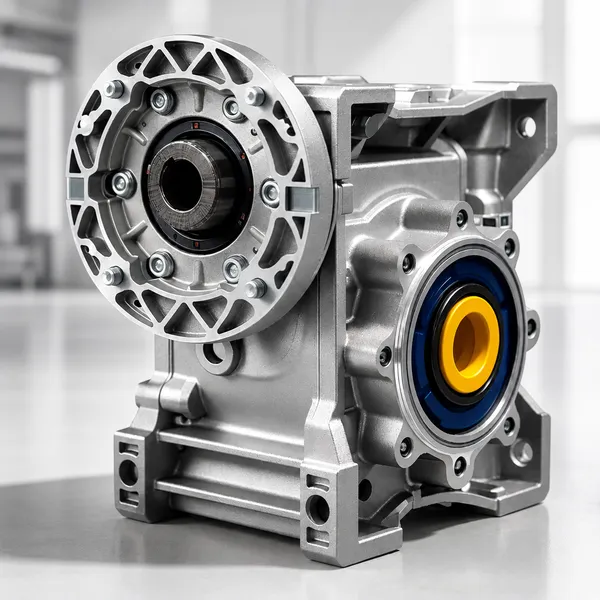
कोरिया एवर-पावर एनएमआरवी गियरमोटर, बूम बैरियर, सुरक्षा गेट, स्लाइडिंग गेट और राइजिंग बोलार्ड ड्राइव के लिए एक कॉम्पैक्ट राइट-एंगल वर्म गियरमोटर समाधान है, जिसमें सेल्फ-लॉकिंग, उच्च आउटपुट टॉर्क, कम आउटपुट गति और बाहरी IP55 सुरक्षा की आवश्यकता होती है। 0.06 से 1.1 किलोवाट तक के वाईएस स्मॉल-पावर या वाई2 स्टैंडर्ड मोटर्स के साथ एनएमआरवी 030 से 063 आकार सभी बूम बैरियर और मध्यम-ड्यूटी स्लाइडिंग गेट अनुप्रयोगों को कवर करते हैं। एनएमआरवी गियरमोटर की पूरी रेंज उपलब्ध है। गियरमोटर उत्पाद अनुभाग1.5 किलोवाट से अधिक क्षमता वाले उच्च सुरक्षा बोलार्ड और भारी औद्योगिक गेट के विनिर्देशों के लिए, संपर्क करें। कोरिया एवर-पावर अनुकूलित कॉन्फ़िगरेशन के लिए।
| गेट के आकार | एनएमआरवी 030–063 |
| अनुपात सीमा | 30:1–80:1 |
| स्व ताला | हां, 30:1 और उससे अधिक के अनुपात में। |
| मोटर विकल्प | YS 0.06–0.75 kW / Y2 |
| आईपी गियरबॉक्स | आईपी55 (आउटडोर विकल्प) |
| तेल भरना | सिंथेटिक पीएओ (शीत जलवायु) |
| आउटपुट शॉफ़्ट | ठोस या खोखला बोर |
| कर्तव्य | एस3 5–251टीपी3टी |
7. अवरोधक द्वार और सुरक्षा द्वार के अनुप्रयोग

कार पार्किंग और टोल बूम बैरियर
उच्च-चक्र कार पार्किंग बैरियर जो प्रतिदिन 500 से 2,000 ऑपरेशन करते हैं। NMRV 030 या 040, 40:1 से 60:1 अनुपात में, YS 0.06 से 0.18 kW, 2-पोल या 4-पोल। 2 से 3 सेकंड में आर्म की गति। S3 5% ड्यूटी। काउंटरबैलेंस स्प्रिंग आर्म के अधिकांश भार को संतुलित करता है - मोटर केवल गति और त्वरण को नियंत्रित करता है। स्व-लॉकिंग आर्म को बिना मोटर पावर के ऑपरेशन के बीच हवा के दबाव से बचाए रखता है। |
औद्योगिक स्लाइडिंग सुरक्षा गेट
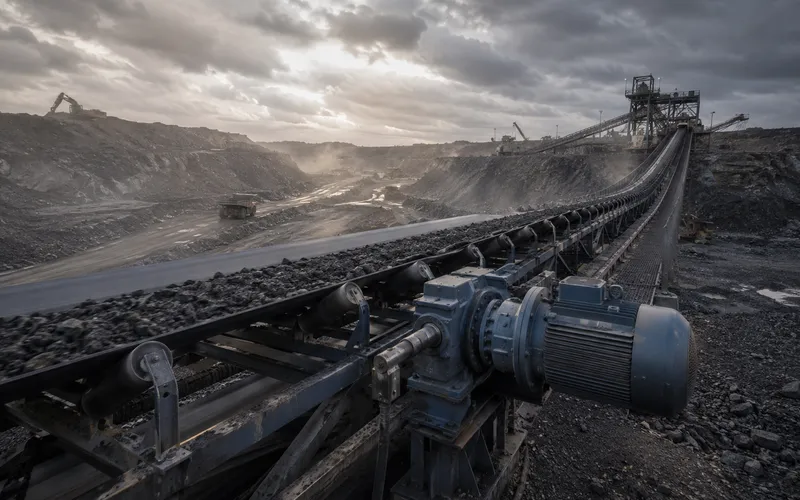
कारखाने की परिधि और परिसर में प्रवेश के लिए 3 से 10 मीटर चौड़े, 100 से 1,500 किलोग्राम भार क्षमता वाले स्लाइडिंग गेट। NMRV 050 से 075, 40:1 से 80:1 अनुपात, Y2 0.25 से 1.5 kW। रैक-एंड-पिनियन या चेन ड्राइव के माध्यम से 10 से 30 सेकंड का खुला समय। कम चक्र दर (10 से 50 संचालन/दिन)। मोटर बंद होने पर स्वतः लॉकिंग प्रणाली जबरन प्रवेश को रोकती है। सभी मौसमों में विश्वसनीयता के लिए सिंथेटिक तेल के साथ IP55 आउटडोर गियरमोटर। |
सुरक्षा बोलार्ड 3 से 5 सेकंड में 600 से 900 मिमी तक ऊपर उठते हैं। NMRV 040 या 050, 60:1 से 80:1 अनुपात में, YS 0.12 से 0.37 kW। अत्यधिक उच्च स्व-लॉकिंग टॉर्क बोलार्ड को बिजली बंद होने पर भी वाहन के प्रभाव से बचाता है। IP55 अनिवार्य है - पानी के रिसाव के संपर्क में आने वाले भूमिगत इंस्टॉलेशन के लिए। गीले गड्ढे में जंग प्रतिरोध के लिए स्टेनलेस स्टील के फास्टनर।
एयरसाइड परिधि सुरक्षा बैरियर, जो जबरन घुसपैठ को रोकने में उच्च-सुरक्षा प्रदान करते हैं। NMRV 063 अनुपात 60:1 से 80:1 तक, Y2 0.37 से 0.75 kW। आर्म की गति 4 से 6 सेकंड। बाधा का पता लगाने वाला सुरक्षा किनारा अनिवार्य। मोटर को सामान्य टॉर्क से 2 गुना अधिक टॉर्क की क्षमता के साथ डिज़ाइन किया गया है ताकि बंद स्थिति में बाधा के सामने सुरक्षा के लिए इसे वापस चालू किया जा सके। मोटर बंद होने पर स्व-लॉकिंग सुविधा एयरसाइड में अनधिकृत प्रवेश को रोकती है।
सरकारी भवनों, दूतावासों और महत्वपूर्ण अवसंरचना स्थलों पर भारी वाहनों को रोकने वाले अवरोधक। उच्च स्तरीय प्रभाव प्रतिरोध (K12, K4 रेटिंग)। NMRV 090 60:1 से 80:1 अनुपात पर, Y2 1.5 से 4.0 kW। उठने का समय 3 से 5 सेकंड। NMRV का स्व-लॉकिंग टॉर्क और यांत्रिक अवरोधक संरचना मिलकर अवरोधक के तैनात होने पर निर्धारित वाहन प्रभाव प्रतिरोध प्रदान करते हैं।
आवासीय और व्यावसायिक संपत्तियों के लिए 2 से 5 मीटर प्रति पत्ती वाले स्विंग गेट, 50 से 300 किलोग्राम तक भार वहन क्षमता। NMRV 030 या 040, 30:1 से 60:1 अनुपात में, YS 0.06 से 0.25 किलोवाट। खुलने का समय 10 से 20 सेकंड। कम परिचालन चक्र (20 से 100 संचालन/दिन)। स्व-लॉकिंग प्रणाली गेट को हवा के दबाव से बचाती है और एक्चुएटर के बिना इसे मैन्युअल रूप से खोलने से रोकती है।


8. अक्सर पूछे जाने वाले प्रश्न
Cxm द्वारा संपादित