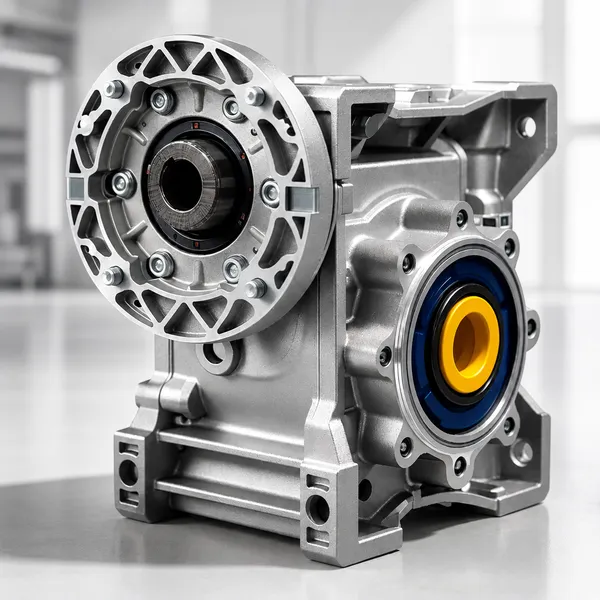
1. 게이트 및 차단기 구동 방식
붐형 차단기는 균형추가 장착된 암을 수평(닫힘)에서 수직(열림)으로 약 90도 회전시킵니다. 균형추 스프링은 암을 들어 올리는 데 필요한 모터 토크를 줄여주며, 스프링이 대부분의 들어올리는 작업을 담당하고 모터는 주로 속도와 가속도를 제어합니다. 웜 기어 모터 출력축은 암 회전축에 연결되어 있으며, 암은 용도에 따라 2~6초 내에 회전합니다. 교통량이 많은 주차장용 고속 차단기의 경우 개방 시간은 1.5~2.5초입니다. 장애물 감지 기능이 있는 보안 차단기의 경우 개방 시간은 3~6초입니다.
산업용 보안 게이트는 레일을 따라 수평으로 슬라이딩하거나 게이트 개구부 한쪽에서 캔틸레버 방식으로 작동합니다. 게이트 폭은 2m에서 12m까지, 게이트 상판 무게는 50kg에서 2,000kg까지 다양합니다. 웜 기어 모터는 랙 앤 피니언 또는 체인 구동 메커니즘을 통해 게이트 상판을 레일을 따라 이동시킵니다. 개폐 시간은 일반적으로 10초에서 30초입니다. 자동 잠금 기능은 모터가 꺼진 상태에서 게이트가 수동으로 열리는 것을 방지합니다.
산업용 스윙 게이트(단일 또는 이중 잎)는 수직 힌지 기둥을 중심으로 90도에서 120도까지 회전합니다. 웜 기어 모터는 힌지 지점에 장착되어 게이트 잎을 힌지 축을 중심으로 회전시킵니다. 게이트 잎의 무게는 50kg에서 500kg까지입니다. 산업용 출입 게이트의 개방 시간은 10초에서 30초입니다. 자동 잠금 기능은 강풍에도 게이트를 닫힌 상태로 유지하며, 전원이 차단되면 수동으로 강제로 열 수 없도록 합니다.
보안 볼라드는 지면 아래에서 차량 통행 높이(일반적으로 지면에서 600~900mm) 이상으로 올라와 차량 진입을 차단합니다. 웜 기어 모터는 60:1~80:1의 기어비로 수직 리프팅 메커니즘을 구동하여 소형 모터로도 높은 양력을 발생시킵니다. 상승 시간은 3~5초입니다. 이러한 기어비에서 발생하는 매우 높은 자체 잠금 토크는 모터가 꺼진 상태에서 차량 충돌로 인해 볼라드가 아래로 눌리는 것을 방지합니다.
2. 자동 잠금 원리 및 보안상의 이점
웜 기어 쌍의 자체 잠금 특성은 웜 나사산의 리드 각도가 웜 기어 맞물림의 마찰 각도보다 작을 때 발생합니다. 단일 시동 웜의 경우 기어비가 약 30:1 이상이면 출력축에서 역구동이 불가능합니다. 즉, 출력축에 가해지는 모든 토크는 웜축을 회전시키는 대신 웜 맞물림 접촉면에서 전적으로 열로 변환됩니다. 이는 모터 전원이 차단되면 외부 고정 장치 없이도 출력축이 기계적으로 잠긴다는 것을 의미합니다.
전진 구동 효율: 72%
역구동 효율: 음수(자체 잠금)
모터 정격 토크: 2.0 N·m (0.37 kW, 4극)
정방향 출력 토크: 2.0 × 40 × 0.72 = 57.6 N·m
반경 300mm에서의 붐 암에 작용하는 힘: 192N
역구동 저항: 이론적으로 무한대 — 암을 수동으로 눌러 잠긴 웜 기어에 저항할 수 없습니다.
헬리컬 기어박스(효율 95~97%)는 자체 잠금 기능이 없습니다. 모터가 꺼진 상태에서도 헬리컬 기어의 맞물림이 역회전하여 게이트를 수동으로 밀어 열 수 있습니다. 보안 게이트에 헬리컬 기어박스를 사용하려면 게이트를 닫힌 상태로 유지하기 위해 별도의 전기 브레이크 또는 기계식 잠금 솔레노이드가 필요합니다. NMRV 웜 기어 모터는 30:1 이상의 기어비에서 자체 잠금 기능을 내재적인 기계적 특성으로 제공하므로 별도의 잠금 장치에 대한 비용과 복잡성을 줄여줍니다. 본질적인 기계적 보안이 요구되는 차단 게이트 및 보안 게이트 용도에는 고효율 헬리컬 기어박스보다 NMRV 웜 기어 모터가 더 적합한 선택입니다.
3. 토크 및 개방 시간 계산
암 무게: W = 18kg (알루미늄 붐)
균형추 스프링: 암 토크 오프셋 80%
피벗에서의 잔류 토크: T-암 = 18 × 9.81 × 1.5 × 0.20 = 53 N·m
필요한 개방 시간: 3.0초 (90° 회전)
출력축 각속도: ω = (π/2) ÷ 3.0 = 0.524 rad/s = 5.0 rpm
4극 모터, 1,450rpm 회전 시: 기어비 = 1,450 ÷ 5.0 = 290:1
2단계 방식을 사용하세요: NMRV 40:1 × 체인 7.5:1 = 300:1 또는
2극 모터, 2,850rpm: 단일 NMRV 60:1 = 47.5rpm → 9.5:1 벨트를 통해 5rpm으로 회전
더 간단한 예: NMRV 063, 60:1, 2극 0.18kW: 출력 47.5rpm, 중간 체인 사용
선택: NMRV 040, 40:1 + 6:1 체인 = 240:1 (4극 0.25kW YS 모터용)
공장에서 카운터밸런스 스프링 어셈블리가 장착된 붐 배리어의 경우, 스프링 오프셋으로 인해 유효 암 토크가 불균형 토크의 10~25%로 감소하므로 표준 3~4m 붐 암에 0.06~0.18kW의 소형 모터를 사용하는 NMRV 030 또는 NMRV 040 기어모터를 선택할 수 있습니다. 기어모터 사양을 계산하기 전에 배리어 암 제조업체에 잔류 불균형 토크를 확인하십시오.
4. S3 등급 부하 및 고주기 차단 적용 분야
쇼핑센터 및 직장 주차장 차단기는 하루에 500~2,000회 작동할 수 있습니다. 각 작동은 2~3초간 열리고 2~3초간 닫히는 것으로 구성됩니다. 하루 2,000회 작동 시, 하루 총 작동 시간 86,400초 중 모터 가동 시간은 4,000초가 되며, 이는 4.6%의 누적 동력 계수(CDF)에 해당합니다. 이는 S3 5% 부하 조건에 해당합니다. NMRV 웜 기어 모터의 S3 5% 열 정격은 동일한 최대 토크 출력을 위해 S1 연속 작동 조건보다 훨씬 작은 모터를 사용할 수 있도록 합니다.
항만 및 공항 보안 검색대: 하루 50~200회 작동. 개폐 시간 4~6초. 하루 200회 작동 × 10초/회: 하루 2,000초 = 2.3% 누적파괴계수(CDF) = S3 5%. 그러나 보안 검색대는 고강도 충격 저항이 요구될 수 있으므로, 차량 충격 보호를 위해 정상 토크의 3배 과부하 용량을 갖춘 기어박스를 지정해야 합니다.
공장 외곽 출입문 및 하역장 보안 게이트: 하루 10~50회 작동. 대형 슬라이딩 게이트의 경우 개폐 시간 15~30초. 매우 낮은 누적 공기 유량(CDF, 1% 미만). NMRV 기어모터의 열 정격은 이 작동 주기에서 한계에 도달하지 않습니다. 모터 선정은 게이트 날개를 움직이는 최대 토크를 기준으로 하며, 열 정격은 고려하지 않습니다.
5. 실외용 IP55 등급 및 게이트 모터의 온도 범위
차단 게이트 및 보안 게이트용 기어 모터는 거의 항상 실외에 설치되어 비, 강풍, 그리고 게이트 캐비닛 및 주변 지역의 주기적인 물 분사 또는 고압 세척에 노출됩니다. IP55(방진, 물 분사 방지)는 실외 게이트 모터에 요구되는 최소 보호 등급입니다. NMRV 기어 모터 조합에 사용되는 Y2 및 YS 모터는 IP54 등급을 기본으로 하며, 실외 게이트 설치 시에는 IP55 등급으로 업그레이드해야 합니다. 또한, NMRV 기어박스 자체도 실외 사용을 위해 합성 기어 오일을 사용하여 IP55 등급으로 밀봉해야 합니다.
추운 기후 지역의 옥외 게이트 모터는 주변 온도가 -15°C 이하로 떨어질 때 얼어붙거나 얼음으로 뒤덮인 게이트 잎을 상대로 시동해야 할 수 있습니다. 저온 환경에서는 세 가지 문제가 발생할 수 있습니다. 첫째, 표준 NMRV 광물유는 -15°C 이하에서 점도가 급격히 증가하여 웜 기어의 점성 저항이 커지고 더 큰 시동 토크가 필요합니다. 둘째, 모터의 시동 토크가 저온에서 약간 감소합니다. 셋째, 균형추 스프링이 더 단단해져 정격 온도에서만큼 암 무게를 효과적으로 상쇄하지 못할 수 있습니다. 저온 환경에서는 NMRV에 합성 PAO 기어 오일을 사용하도록 지정하고, 최저 작동 온도에서 모터의 고정자 토크가 증가된 점성 저항과 불균형한 게이트 하중을 극복하기에 충분한지 확인하십시오.
6. 한국 Ever-Power NMRV (배리어 게이트 응용 분야)
한국 에버파워(Ever-Power)의 NMRV 기어모터는 자동 잠금, 높은 출력 토크, 낮은 출력 속도 및 IP55 옥외 보호 등급이 요구되는 붐 배리어, 보안 게이트, 슬라이딩 게이트 및 라이징 볼라드 구동 장치에 적합한 소형 직각 웜 기어모터 솔루션입니다. 0.06kW에서 1.1kW까지의 YS 소출력 또는 Y2 표준 모터를 사용하는 NMRV 030~063 사이즈는 모든 붐 배리어 및 중부하 슬라이딩 게이트 용도에 적합합니다. NMRV 기어모터 전체 제품군은 다음에서 확인할 수 있습니다. 기어모터 제품 섹션1.5kW 이상의 고보안 볼라드 및 중공업용 게이트 사양에 대해서는 문의하십시오. 한국 에버파워 사용자 지정 구성을 위해.
| 대문 크기 | NMRV 030–063 |
| 비율 범위 | 30:1–80:1 |
| 자동 잠금 | 네, 30:1 이상일 경우요. |
| 모터 옵션 | YS 0.06–0.75 kW / Y2 |
| IP 기어박스 | IP55 (실외용 옵션) |
| 오일 주입 | 합성 PAO(저온 기후용) |
| 출력축 | 속이 꽉 찬 또는 속이 빈 구멍 |
| 의무 | S3 5–25% |
7. 차단 게이트 및 보안 게이트 적용 분야

주차장 및 요금 징수 차단기
하루 500~2,000회 작동이 요구되는 고부하 주차장 차단기입니다. NMRV 030 또는 040 모터(압축비 40:1~60:1, 출력 0.06~0.18kW, 2극 또는 4극)를 사용하며, 암 이동 시간은 2~3초입니다. S3 5% 등급의 부하용 제품입니다. 카운터밸런스 스프링이 암 무게의 대부분을 상쇄하며, 모터는 속도와 가속도만 제어합니다. 자체 잠금 장치는 모터 전원이 꺼진 상태에서도 바람에 의한 들림 현상을 방지합니다. |

산업용 슬라이딩 보안 게이트
공장 경계 및 부지 진입용 슬라이딩 게이트는 폭 3~10m, 게이트 자락 무게 100~1,500kg까지 지원합니다. NMRV 050~075 기어비는 40:1~80:1, Y2 출력은 0.25~1.5kW입니다. 랙앤피니언 또는 체인 구동 방식으로 10~30초의 개폐 시간을 제공하며, 낮은 작동 빈도(일일 10~50회)에 적합합니다. 모터 전원이 차단되면 자체 잠금 기능으로 강제 침입을 방지합니다. IP55 등급의 옥외용 기어 모터를 사용하며, 합성 오일을 주입하여 모든 기상 조건에서 안정적인 작동을 보장합니다. |
3~5초 내에 600~900mm 높이로 상승하는 보안 볼라드. 60:1~80:1의 압축비와 0.12~0.37kW의 YS를 사용하는 NMRV 040 또는 050 모터를 탑재했습니다. 전원이 차단된 상태에서도 매우 높은 자체 잠금 토크로 차량 충돌을 방지합니다. IP55 등급 필수 - 지하 설치 시 물 유입에 노출됩니다. 습식 피트 환경에서 부식 방지를 위해 스테인리스 스틸 패스너를 사용했습니다.
공항 활주로 경계 보안 장벽은 높은 수준의 강제 침입 저항성을 제공합니다. NMRV 063 규격(압축비 60:1~80:1), Y2 출력 0.37~0.75kW를 사용하며, 암 이동 시간은 4~6초입니다. 장애물 감지 안전 에지가 필수이며, 모터는 정상 토크의 2배 용량으로 설계되어 장애물에 부딪혀 닫힌 상태에서 역회전하는 안전 기능을 제공합니다. 모터 정지 시 자체 잠금 기능으로 공항 활주로 무단 통행을 방지합니다.
정부 시설, 대사관 및 중요 기반 시설에 설치되는 대형 차량 차단 장치입니다. 매우 높은 충격 저항 등급(K12, K4 등급)을 자랑합니다. NMRV 090 재질을 60:1~80:1의 압축비로 사용하며, Y2 동력은 1.5~4.0kW입니다. 작동 시간은 3~5초입니다. NMRV의 자체 잠금 토크와 기계식 차단 장치 구조가 결합되어 차단 장치가 작동될 때 정격 차량 충격 저항을 제공합니다.
주택 및 상업용 건물에 적합한 스윙 게이트로, 잎당 크기는 2~5m, 무게는 50~300kg입니다. NMRV 030 또는 040 모터를 30:1~60:1의 압축비로 사용하며, YS 출력은 0.06~0.25kW입니다. 개폐 시간은 10~20초이며, 작동 횟수는 20~100회/일로 낮습니다. 셀프록킹 기능은 풍하중에도 게이트를 고정하여 액추에이터 없이 수동으로 강제 개폐하는 것을 방지합니다.


8. 자주 묻는 질문
Cxm 편집