2. Classificazione delle zone 20, 21 e 22
3. Gruppo di polveri IIIA, IIIB, IIIC
4. Limite di temperatura superficiale T135°C
5. Certificazione dei motori per zone con polveri di farina
6. YB2 per applicazioni in mulini per farina
7. Ambiti di applicazione dei mulini per farina
8. Domande frequenti
1. Pericolo di esplosione dovuto alla polvere di farina
Farina in polvere, farina di grano, amido di mais e altre polveri fini derivate dai cereali sono classificate come polveri combustibili secondo le norme EN 60079-10-2 e NFPA 61. Quando sospese nell'aria a concentrazioni superiori alla concentrazione minima esplosiva (MEC), queste polveri formano una nube esplosiva che può essere innescata da qualsiasi fonte di accensione con energia sufficiente, comprese le temperature superficiali dei motori superiori alla temperatura minima di accensione (MIT) dello strato di polvere.
| MEC (cloud) | 50–100 g/m³ |
| MIT cloud | 380 °C |
| Strato MIT (5 mm) | 190 °C |
| MIE | 10–50 mJ |
| Kst | 56–180 bar·m/s |
| Classe di polvere | St 1 |
| MEC (cloud) | 40–60 g/m³ |
| MIT cloud | 390 °C |
| Strato MIT (5 mm) | 260 °C |
| MIE | 30–80 mJ |
| Kst | 148–202 bar·m/s |
| Classe di polvere | St 1–St 2 |
| MEC (cloud) | 60–125 g/m³ |
| MIT cloud | 430 °C |
| Strato MIT (5 mm) | 220 °C |
| MIE | 15–100 mJ |
| Kst | 43–112 bar·m/s |
| Classe di polvere | St 1 |
La temperatura minima di infiammabilità (MIT) dello strato di polvere è il valore critico per la selezione del motore. Il telaio di un motore standard in un mulino accumula polvere di farina sulla sua superficie nel tempo, e questo strato di polvere può incendiarsi se la temperatura superficiale del motore supera la MIT della specifica polvere di farina presente nell'area. Per la farina di frumento, la MIT dello strato è di circa 190 °C e un motore standard a pieno carico in un mulino caldo può raggiungere una temperatura del telaio di 120-150 °C senza problemi, avvicinandosi alla MIT dello strato con un margine di sicurezza di soli 40-70 °C. Un motore antideflagrante certificato a T135 °C offre un margine di sicurezza di 55 °C al di sotto della MIT dello strato di farina di frumento.
2. Zone 20, 21 e 22: Classificazione del rischio di polveri
La norma IEC 60079-10-2 classifica le aree contenenti polveri combustibili in tre zone in base alla frequenza e alla durata della presenza della nube di polvere esplosiva. Per i mulini, la classificazione di ciascuna area all'interno dello stabilimento deve essere determinata da una persona competente e documentata nel documento di protezione contro le esplosioni di polveri (Direttiva ATEX 1999/92/CE, articolo 7).
All'interno delle apparecchiature per la gestione delle polveri: elevatori a tazze, sistemi di trasporto pneumatico, interni di cicloni, interni di filtri a maniche e silos per cereali. In condizioni di progettazione normali, non vengono installati motori all'interno di apparecchiature per la Zona 20. Qualora sia necessario integrare un motore in un'apparecchiatura per la Zona 20 (come un agitatore o un azionamento di un nastro trasportatore all'interno di un silo), questo deve essere certificato Ex ia IIIB T135 o equivalente; un motore a gas standard YB2 Ex d IIB T4 non è adatto agli ambienti polverosi della Zona 20.
Le aree intorno alle apparecchiature di movimentazione delle polveri comprendono le immediate vicinanze delle sezioni di base e di testa dell'elevatore a tazze, le aree vicino ai punti di scarico dei vagli, le zone di alimentazione del mulino a rulli e le aree entro 1 m da qualsiasi fonte di polvere che rilascia polvere durante il normale funzionamento. Questa è la zona primaria nelle sale di macinazione attive. I motori nella Zona 21 devono essere certificati Ex t IIIB T135 (motore protetto contro le polveri con IP6X e limite di superficie T135) o Ex d IIB T4 (motore antideflagrante per gas, che soddisfa anche i requisiti per le zone antipolvere secondo la norma IEC 60079 Parte 31).
Area generale della sala di macinazione e del deposito cereali, dove la polvere non è normalmente sospesa in concentrazioni esplosive, ma dove una dispersione di polvere potrebbe creare condizioni esplosive a causa di malfunzionamenti delle apparecchiature, attività di manutenzione o condizioni operative anomale. La maggior parte dell'area del mulino a rulli e della sala di vagliatura rientra nella Zona 22 in un impianto ben mantenuto. La Zona 22 richiede motori certificati Ex t IIIB T135 o motori equivalenti con protezione antipolvere: i motori standard IP54 non sono accettabili nemmeno nella Zona 22.
3. Gruppi di polveri IIIA, IIIB, IIIC: quale si applica ai mulini per farina?
| Gruppo | Tipo di polvere | Esempi nel settore alimentare e dei cereali | Adatto al modello YB2? |
|---|---|---|---|
| IIIA | Particelle volanti (materiale fibroso grossolano) | Trucioli di legno, fibre di iuta, residui colturali > 500 μm | Sì (la sezione IIIB comprende la sezione IIIA) |
| IIIB ★ | Polveri non conduttive | Farina di frumento, amido di mais, polvere di cereali, polvere di zucchero, latte in polvere disidratato, cacao: lo standard per le zone di polvere nell'industria alimentare | Sì — YB2 classificato IIIB |
| IIIC | Polveri conduttive (resistività < 10⁴ Ω·m) | Polvere di alluminio, polvere di magnesio, nerofumo: ingredienti non comuni nei mulini per farina. | No (richiede un motore IIIC) |
Farina, amido, polvere di cereali, zucchero, latte in polvere e cacao sono tutte polveri del Gruppo IIIB (non conduttive). La serie Ever-Power YB2 coreana con certificazione Ex t IIIB T135 o Ex d IIB T4 copre tutte le applicazioni standard di motori per zone di polverizzazione di mulini per farina e impianti di lavorazione dei cereali. Prima di specificare il gruppo di motori, verificare la documentazione relativa alla classificazione delle polveri per lo specifico impianto al fine di accertarsi che non vengano gestite polveri IIIC (polveri di alluminio o magnesio) nella stessa area.
4. T135°C: Limite di temperatura superficiale per la polvere di farina
La classe di temperatura superficiale T135°C limita la temperatura superficiale dell'involucro del motore a un massimo di 135°C in tutte le condizioni operative, comprese la temperatura ambiente massima e il funzionamento continuo a pieno carico. Ciò garantisce un fattore di sicurezza minimo di 55°C al di sotto della temperatura di infiammabilità dello strato di farina di grano di 190°C (con uno strato di polvere di 5 mm di profondità) e un fattore di sicurezza molto maggiore al di sotto della temperatura di accensione della nube di 380°C.
Temperatura del telaio: 80–110 °C al carico nominale
Uno strato di polvere di farina si accumula sul telaio del motore.
Temperatura del telaio in caso di sovraccarico moderato: 120–150 °C
Farina di frumento MIT a 5 mm di profondità: 190°C
Margine di sicurezza: solo 40–70 °C — inadeguato
Strato di farina MIT: 190°C
Margine di sicurezza: 55 °C
Protezione da sovraccarico: i termistori PTC interrompono il motore prima che venga raggiunta la temperatura di 135 °C.
Esclusione della polvere: IP55 impedisce alla polvere di penetrare all'interno del motore.
Conforme ai requisiti IEC 60079-31 e EN ATEX
5. Opzioni di certificazione dei motori per le zone con polvere di farina
La certificazione Ex t (involucro antipolvere) è lo standard per i motori installati in zone polverose. Il motore Ex t è dotato di un involucro IP6X (a tenuta di polvere) che impedisce l'ingresso di polvere ed è testato e certificato per limitare la sua temperatura superficiale massima alla classe T dichiarata (T135 per le applicazioni nei mulini per farina). La soluzione Ex t è più semplice e leggera rispetto alla certificazione antideflagrante Ex d ed è la specifica più comune per le nuove installazioni di motori nei mulini per farina. Il motore non necessita di essere antideflagrante contro l'accensione interna poiché al suo interno non sono presenti gas infiammabili: il pericolo è rappresentato esclusivamente dalla polvere esterna e l'involucro IP6X e il limite di temperatura superficiale T135 sono i due dispositivi di controllo che eliminano il rischio di accensione.
Un motore Ex d IIB T4 con classificazione per gas può essere utilizzato anche nelle zone di polvere 21 e 22 secondo la norma IEC 60079-14, a condizione che il limite di temperatura superficiale T4 (135 °C) soddisfi i requisiti specifici per la polvere (nel caso della farina di frumento: MIT 190 °C, con un margine di 55 °C). Il motore Ex d ha grado di protezione IP55 o IP65, che impedisce l'ingresso di polvere, e il limite di temperatura superficiale T4 è identico al limite T135 per la polvere. Questa doppia certificazione significa che negli impianti che gestiscono sia gas infiammabili che polveri combustibili, ad esempio un deposito di cereali combinato con un impianto di estrazione con solventi, un singolo tipo di motore (Ex d IIB T4) può soddisfare i requisiti sia della zona gas 1/2 che della zona polvere 21/22. Il motore Ever-Power YB2 Ex d IIB T4 di produzione coreana è omologato per l'installazione nelle zone di polvere 21 e 22, nonché nelle zone gas 1 e 2.
6. Ever-Power YB2 coreano per applicazioni in mulini per farina
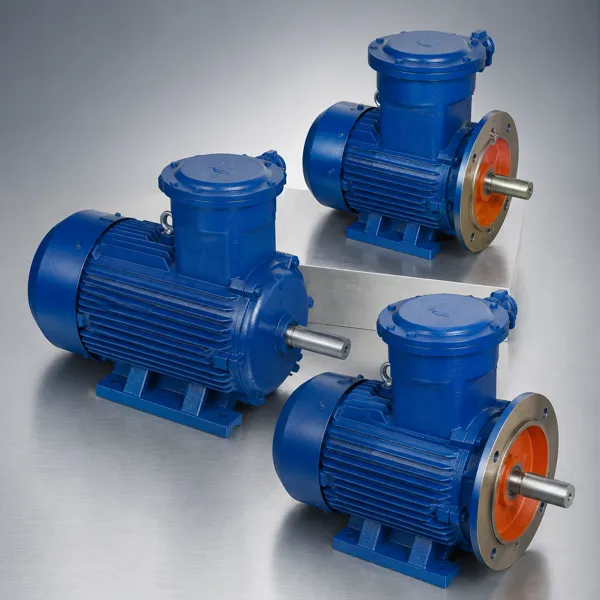
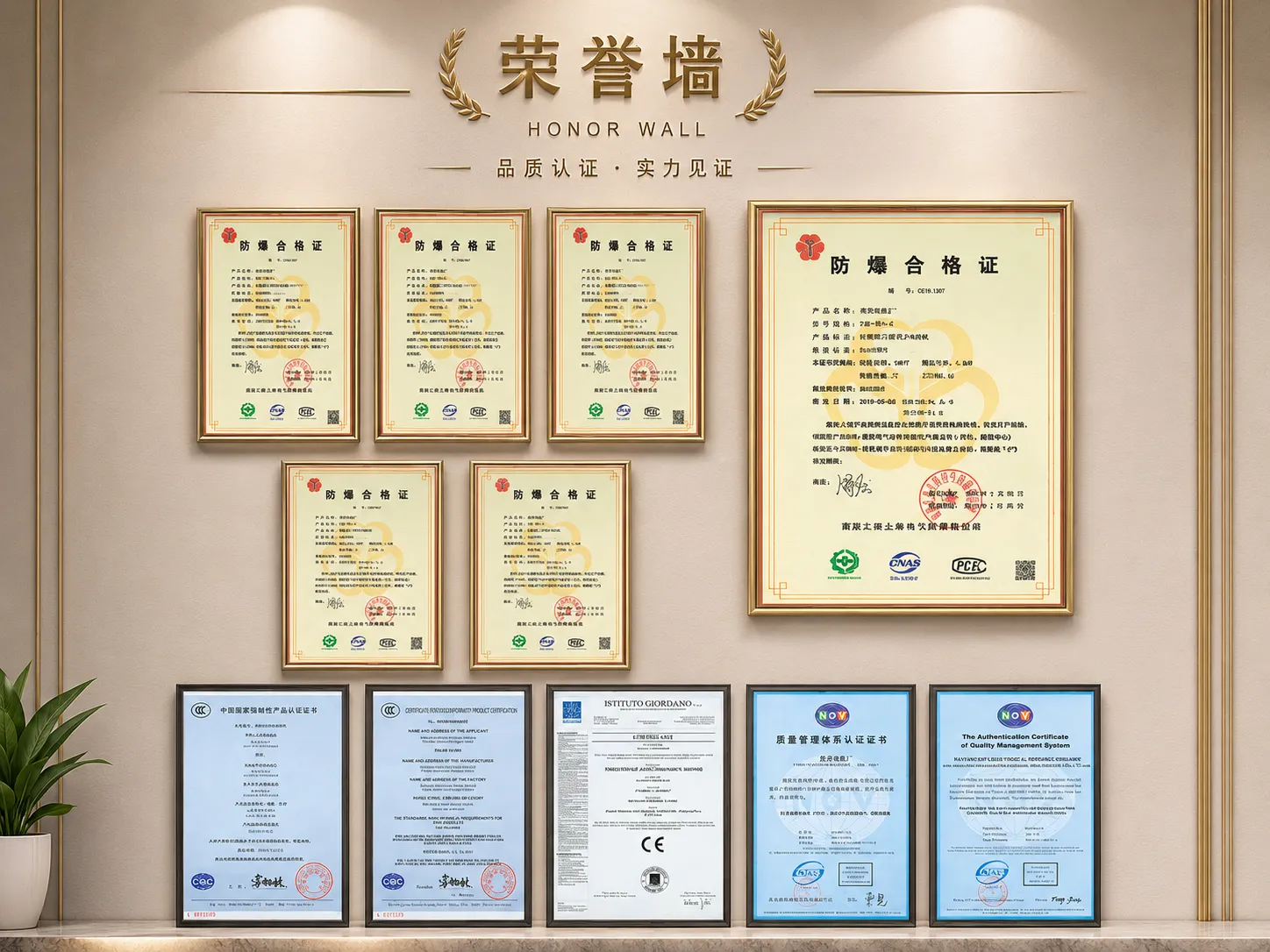
Il motore Ever-Power YB2 Ex d IIB T4 coreano è la specifica corretta per le sale rulli dei mulini per farina, le sale di vagliatura e le aree di ingresso del grano classificate come Zona 21 o Zona 22 secondo la norma IEC 60079-10-2. L'involucro in ghisa IP55 impedisce l'accumulo di polvere di farina all'interno del motore (eliminando la modalità di degrado dell'isolamento interno) e la certificazione Ex d T4 limita la temperatura della superficie esterna a 135 °C (fornendo un fattore di sicurezza minimo di 55 °C al di sotto dello strato di farina di frumento MIT). L'YB2 è certificato secondo gli standard ATEX e IECEx ed è accettato dalle autorità competenti in materia di esplosioni di polveri nell'UE, nel Regno Unito, in Australia e nei mercati di esportazione di tutto il mondo. La gamma completa YB2 è disponibile in sezione prodotti motori antideflagranti.
| Certificazione | ATEX + IECEx: Ex d IIB T4 |
| Idoneità per zone polverose | Zona 21 e Zona 22 |
| limite di temperatura delle superfici | T4 ≡ T135°C max |
| Gruppo di polveri | IIIA e IIIB (non IIIC) |
| Allegato | ghisa IP55 |
| Gamma di potenza | 0,55–200 kW |
| Polvere di farina Sicurezza MIT | 55°C sotto lo strato MIT |
| protezione termica | Termistori PTC (consigliati) |
7. Ambiti di applicazione: Mulini per farina e lavorazione dei cereali
I motori di azionamento del mulino a rulli per chicchi di grano nell'area di macinazione sono in Zona 21 entro 1 m dall'ingresso e dall'uscita del mulino. YB2 4 poli da 11 a 55 kW, IP55, Ex d IIB T4. Richiede un'elevata coppia di spunto per l'avvio del mulino sotto carico. Si consiglia un avviatore graduale per mulini superiori a 22 kW per limitare la corrente di spunto e le variazioni transitorie di tensione della cinghia.
Motore di azionamento del telaio del vaglio e azionamenti del nastro trasportatore del vaglio nella sala di vagliatura. YB2 4 poli da 0,75 a 5,5 kW. Il telaio del vaglio vibra durante il funzionamento: il montaggio del motore deve utilizzare isolatori antivibranti per evitare l'affaticamento dei dispositivi di fissaggio del motore dovuto al carico vibratorio continuo del telaio della macchina di vagliatura.
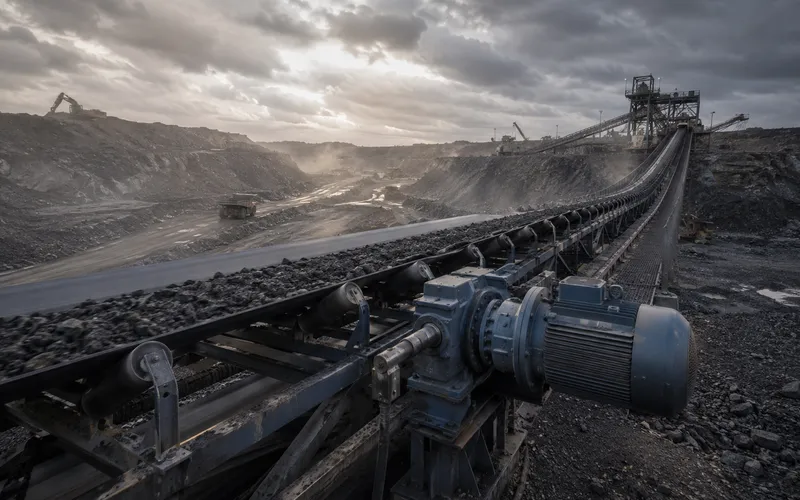
Motori di azionamento per elevatori a tazze per il trasporto verticale di cereali e farina. La parte inferiore dell'elevatore a tazze è internamente Zona 20; l'area circostante è Zona 21. Il motore è tipicamente montato nella parte superiore (testa) in Zona 21 o Zona 22. YB2 4 poli da 3,0 a 30 kW. Dispositivo antiritorno obbligatorio sull'azionamento dell'elevatore.
Trasportatore a coclea orizzontale per il trasferimento di farina e semilavorati tra le sezioni del mulino. L'area generale del mulino è zona 22. Motore YB2 a 4 poli da 1,5 a 15 kW abbinato a riduttore NMRV o a ingranaggi elicoidali in linea. La specifica YB2 Ex d T4 soddisfa i requisiti di polveri della zona 22.

8. Domande frequenti
A cura di Cxm