Explosion-Proof Motors – YB2 Series Flameproof Three-Phase Motor ExdIIBT4
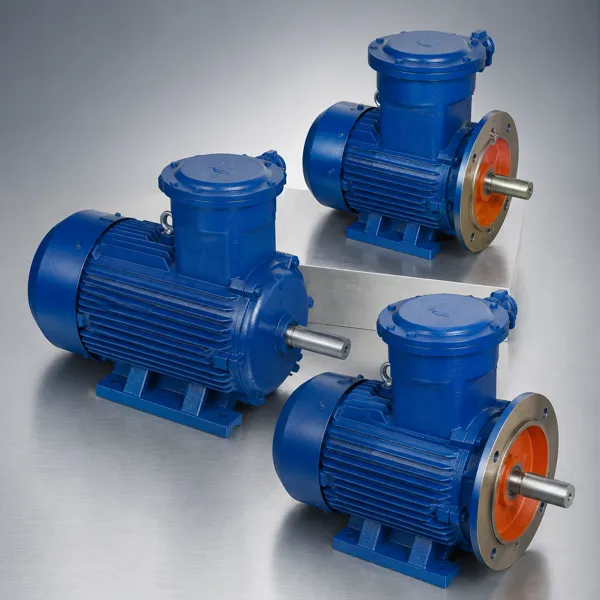
YB2 Series Explosion-Proof Motor Overview
The YB2 series explosion-proof motor is developed from the Y2 series three-phase induction motor platform with a redesigned enclosure that meets the flameproof (Ex "d") protection concept. The motor housing, end shields, terminal box, and all joints are machined to form flamepaths with precisely controlled gap width and length. If an internal ignition occurs within the motor, the flameproof enclosure contains the resulting pressure and cools the escaping gases below the ignition temperature of the surrounding hazardous atmosphere.
Two explosion-proof classifications are available. The ExdI designation is intended for underground coal mine applications where methane and coal dust are present. The ExdIIBT4 designation covers Zone 1 and Zone 2 surface installations where flammable gases or vapors of Group IIB (including ethylene, hydrogen sulfide, and diethyl ether) may be present. The T4 temperature class limits the maximum surface temperature of any external motor part to 135°C, preventing ignition of gases with auto-ignition temperatures above 135°C.
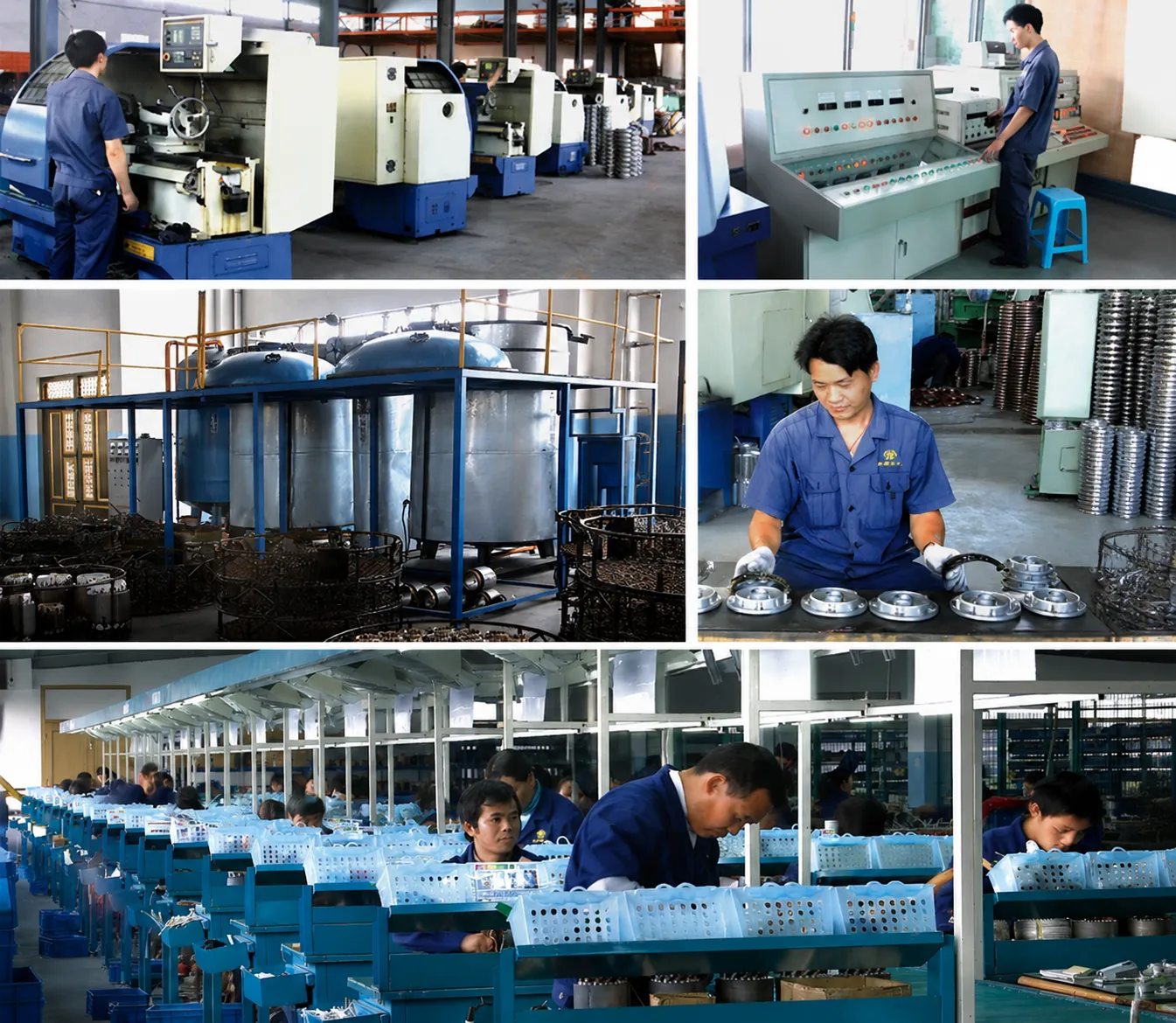
Our factory holds explosion-proof production licenses issued by nationally accredited testing authorities, and every motor is individually tested and carries its own certificate number traceable to the certification body. The YB2 series maintains the same IEC frame dimensions as the standard Y2 series, allowing direct replacement of non-explosion-proof motors when upgrading an installation to meet hazardous area classification requirements.
Technical Specifications
| Parameter | Specification |
|---|---|
| Motor Series | YB2 (Explosion-Proof, flameproof enclosure type "d") |
| Explosion-Proof Classification | ExdI (coal mine methane); ExdIIBT4 (surface plant, gas group IIB, temp class T4) |
| Applicable Hazardous Zones | Zone 1 and Zone 2 (IEC 60079-10-1); Coal mine underground workings |
| Gas Group | IIA and IIB (covers hydrogen sulfide, ethylene, propane, butane, acetone, ethanol, etc.) |
| Temperature Class | T4 (max surface temperature ≤ 135°C) |
| Power Range | 0.12 kW – 315 kW (0.16 HP – 420 HP) |
| IEC Frame Sizes | 63 through 355 (15 frame numbers, 82 total specifications) |
| Number of Poles | 2-pole (2900 rpm), 4-pole (1450 rpm), 6-pole (960 rpm), 8-pole (720 rpm) |
| Rated Voltage | 380V (≤ 3 kW), 380/660V (≥ 4 kW), 660V, 1140V available for mining |
| Rated Frequency | 50Hz standard, 60Hz available |
| Insulation Class | Class F (155°C), temperature rise assessed at Class B (80K) |
| Protection Class | IP55 (dust-tight, water jet protected) with flameproof enclosure |
| Cooling Method | IC411 (totally enclosed fan cooled) |
| Duty Rating | S1 (continuous duty) |
| Mounting | IM B3, IM B5, IM B35, IM B14, IM V1 |
| Housing Material | Cast iron (all frame sizes), machined flamepath surfaces |
| Terminal Box | Flameproof cast iron terminal box with Ex-rated cable gland entries |
| Flamepath Gap (Max) | IIB: ≤ 0.20 mm gap width, ≥ 12.5 mm path length per IEC 60079-1 |
| Ambient Temperature | ExdI (coal mine): -15°C to +35°C; ExdII (factory): -15°C to +40°C |
| Humidity | ExdI: ≤ 95% RH (coal mine); ExdII: ≤ 90% RH (factory) |
| Standards Compliance | JB/T 7565.1-2004, GB 3836.1/3836.2, IEC 60079-0/60079-1, EN 60079 |
Understanding Explosion-Proof Motor Classifications
Hazardous Zone Classification
IEC 60079-10-1 divides hazardous areas into three zones based on the frequency and duration of flammable gas or vapor presence:
Zone 0 — Flammable atmosphere present continuously or for long periods (inside tanks, vessels). Explosion-proof motors are generally not installed in Zone 0.
Zone 1 — Flammable atmosphere likely to occur during normal operation. YB2 ExdIIBT4 motors are certified for Zone 1 installation.
Zone 2 — Flammable atmosphere unlikely during normal operation and only for short periods. YB2 motors are also suitable for Zone 2 (equipment certified for Zone 1 automatically covers Zone 2).
Gas Group and Temperature Class
The gas group defines which explosive gases the motor enclosure is tested against:
Group IIA — Propane, butane, gasoline vapor, acetone, methane (surface). Widest flamepath gap permitted.
Group IIB — Ethylene, hydrogen sulfide, diethyl ether, carbon monoxide. Narrower flamepath gap required. Our YB2 motors are certified for IIB, which also covers all IIA gases.
Group IIC — Hydrogen, acetylene, carbon disulfide. Requires the tightest flamepath tolerance. Our YB2 standard does not cover IIC; contact us for IIC-rated solutions.
The temperature class T4 means the maximum external surface temperature of the motor will not exceed 135°C under rated operating conditions. This is suitable for most industrial gases except those with very low auto-ignition temperatures (below 135°C).
Design Features of the Flameproof Enclosure
Precision-Machined Flamepaths
All mating surfaces between the motor housing, end shields, and terminal box are machined to form flamepaths with gap widths controlled to within 0.20 mm and path lengths of at least 12.5 mm for Group IIB certification. These flamepaths allow pressure relief during an internal explosion while cooling the escaping gases below the auto-ignition temperature of the external atmosphere. Flamepath surfaces are protected with anti-corrosion grease to prevent rust that could compromise the gap integrity.
Flameproof Terminal Box
The terminal box is a separate flameproof compartment cast from the same grade of iron as the motor housing. It is connected to the motor through a flameproof passage. Cable entries use certified Ex-rated cable glands (typically M20 to M50 depending on cable size) that maintain the flameproof integrity while providing strain relief and environmental sealing. The terminal box cover is secured with stainless steel bolts at specified torque values to maintain the flamepath seal.
Heavy-Duty Cast Iron Construction
Unlike standard motors that may use aluminum housings for smaller frame sizes, all YB2 explosion-proof motors use cast iron housings regardless of frame size. Cast iron provides the mechanical strength required to withstand internal explosion pressures (tested at 1.5 times the reference pressure per IEC 60079-1) without deformation that could open the flamepath gaps beyond safe limits. The thicker housing walls also contribute to lower external surface temperatures.
Enhanced Radiating Fin Design
The YB2 motor housing features deeper and more closely spaced cooling fins compared to the standard Y2 series. This increased cooling surface area compensates for the additional heat retention caused by the thicker cast iron walls and helps maintain the external surface temperature below the T4 limit of 135°C. The fan cover and external fan are also cast iron construction to prevent sparking from impacts.
Industry Applications
Explosion-proof motors are required by law in any facility where flammable gases, vapors, or combustible dusts may be present. The following industries and equipment types represent the primary application areas:

Petrochemical and RefiningPump drives, compressor drives, reactor agitators, and loading arm equipment in petroleum refineries, gas processing plants, and petrochemical complexes. Zone 1 and Zone 2 areas are common throughout these facilities. |
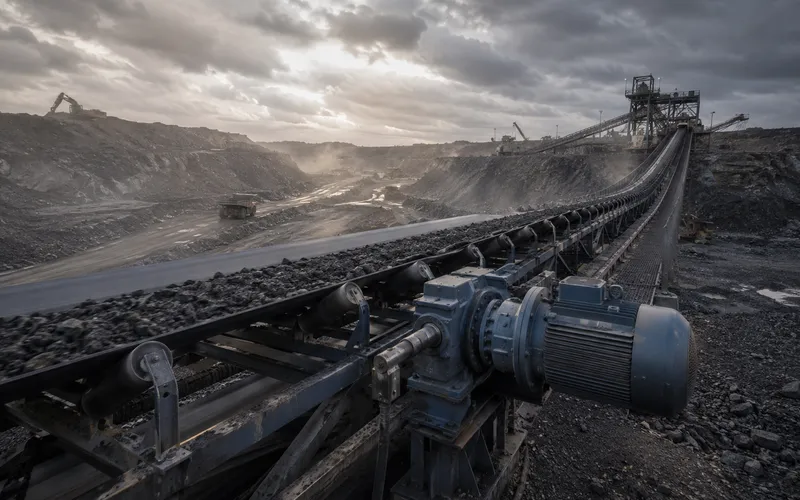
Underground Coal MiningVentilation fans, conveyor drives, shuttle cars, continuous miners, and longwall equipment. ExdI classification is mandatory for all electrical equipment in underground coal mines due to the presence of methane and coal dust. |

Grain Handling and Flour MillsGrain elevators, conveyor drives, dust collection systems, and milling equipment. Grain dust is a highly combustible material and has caused numerous fatal dust explosions globally. ExdIIBT4 motors are required in designated dust hazard zones. |
Paint Shops and Coating Facilities
Spray booth ventilation fans, paint circulation pumps, and solvent handling equipment. Solvent vapors in automotive and industrial paint facilities create Zone 1 and Zone 2 hazardous areas requiring ExdIIBT4 motor installations. Typical power range: 1.5–22 kW.
Pharmaceutical Manufacturing
Solvent handling, drying operations, and reactor vessel agitators in facilities processing flammable pharmaceutical intermediates. Many pharmaceutical solvents (ethanol, methanol, acetone, isopropanol) fall within Gas Group IIA/IIB classification.
Oil and Gas Production
Wellsite pump jacks, gas compression stations, pipeline booster pumps, and offshore platform equipment. These environments frequently contain hydrocarbon gases requiring Zone 1 rated equipment. Motors for offshore use may additionally require marine-grade corrosion protection.
Biogas and Waste Treatment
Biogas compressors, digester mixers, and gas flare blowers at wastewater treatment plants and landfill gas recovery installations. Biogas (primarily methane) requires ExdI or ExdIIAT1 rated equipment. Our YB2 ExdIIBT4 covers these applications with margin.
Cross-Reference Replacement Guide
| Brand | Ex Motor Series | Korea Ever-Power Replacement |
|---|---|---|
| ABB | M3GP (Ex d IIB T4) | YB2 Series (matching IEC frame) |
| Siemens | 1MJ7 / SIMOTICS XP | YB2 Series (matching IEC frame) |
| WEG | W22Xd (Ex d IIB/IIC) | YB2 Series (IIB only, consult for IIC) |
| Leroy-Somer | FLSES Ex d | YB2 Series (matching IEC frame) |
| Teco-Westinghouse | AEEB / XP Series | YB2 Series (verify NEMA/IEC frame match) |
Installation Requirements for Hazardous Areas
Verify that the motor Ex classification (ExdI or ExdIIBT4) matches the hazardous area classification at the installation site. The motor certificate number must be recorded in the facility hazardous area equipment register as required by IEC 60079-14.
Inspect all flamepath surfaces before installation. Surfaces must be free of scratches, dents, corrosion, or paint contamination. Apply a thin layer of approved anti-corrosion grease (non-hardening type) to all flamepath surfaces. Do not use silicone sealant or any adhesive on flamepath joints.
Use only certified Ex-rated cable glands for cable entry into the terminal box. Each unused cable entry must be sealed with a certified Ex-rated blanking plug. The cable gland must provide both flameproof sealing and cable strain relief. Standard industrial cable glands are not acceptable in hazardous area installations.
All terminal box bolts must be tightened to the specified torque values marked in the installation documentation. Under-torqued bolts may allow flamepath gaps to open under internal pressure. Over-torqued bolts may damage the flamepath sealing surfaces. Use a calibrated torque wrench for final tightening.
Connect the motor earthing terminal to the facility protective earth system. In hazardous areas, the earth connection must be a separate dedicated conductor, not through the cable armor or conduit. Verify earth continuity resistance is below 1 ohm from the motor frame to the main earth bar.
Maintenance in Hazardous Areas
Maintenance of explosion-proof motors must be performed by qualified personnel trained in hazardous area equipment maintenance per IEC 60079-17. Key maintenance requirements include:
Every 6 months: Visual inspection of all flamepath joints, cable gland tightness, and earthing connections. Check for signs of corrosion on flamepath surfaces, damaged paint that could expose bare metal to corrosive atmospheres, and accumulation of dust or debris on cooling fins.
Every 12 months: Measure insulation resistance (minimum 5 MΩ at 500V DC). Check bearing condition by vibration measurement. Inspect the fan and fan cover for damage or excessive clearance. Verify that all bolts are at specified torque values.
Any repair that involves opening the flameproof enclosure (removing end shields, terminal box cover, or accessing internal components) must be documented and the motor re-inspected against the original Ex certificate requirements before returning to service. Unauthorized modifications to the flameproof enclosure void the explosion-proof certification.
Frequently Asked Questions
What does "explosion-proof" actually mean for an electric motor?
An explosion-proof motor (flameproof type "d" per IEC 60079-1) does not prevent an internal explosion from occurring. Instead, the motor enclosure is designed to withstand an internal explosion and to cool the escaping gases through precision-machined flamepath gaps so that they cannot ignite the surrounding flammable atmosphere. The enclosure contains the explosion — it does not prevent it.
What is the difference between ExdI and ExdIIBT4?
ExdI is certified for underground coal mines where methane (Group I gas) and coal dust are the primary hazards. ExdIIBT4 is certified for surface industrial installations where flammable gases or vapors from Gas Group IIB (which includes ethylene, hydrogen sulfide, and carbon monoxide) may be present, with a maximum surface temperature classification of T4 (135°C). A motor certified ExdIIBT4 also covers all Group IIA gases (propane, butane, gasoline vapor) but does not cover Group IIC gases (hydrogen, acetylene).
Can an explosion-proof motor be used with a VFD?
Using an explosion-proof motor with a variable frequency drive requires careful consideration. The VFD output waveform generates voltage spikes and additional heating that may affect the T-class (surface temperature) rating. Our YB2 motors can be VFD-driven provided the motor is derated according to the specific VFD carrier frequency and cable length. For demanding variable-speed applications in hazardous areas, we offer a combined YB2-VFD variant with reinforced insulation specifically tested for inverter-fed operation. Consult our VFD motor range for details.
What certificates come with the motor?
Each YB2 motor ships with an individual explosion-proof certificate issued by a nationally accredited testing laboratory. The certificate includes the motor serial number, Ex classification, gas group, temperature class, and the certificate number traceable to the issuing authority. Additionally, we provide a type test report, a declaration of conformity, and the standard motor test certificate showing electrical performance data. These documents are required for the facility hazardous area equipment register and for inspection by regulatory authorities.
Can I replace a non-explosion-proof motor with a YB2 in the same location?
Yes, provided the installation location has been classified as a hazardous area requiring explosion-proof equipment. The YB2 series uses the same IEC frame dimensions as the standard Y2 series, so mounting bolt patterns, shaft diameter, and key size are identical for the same frame number. The only physical differences are increased overall length (due to thicker cast iron housing) and increased weight (typically 15–30% heavier than the standard equivalent). Verify that the existing mounting structure can support the additional weight.
Why is cast iron used instead of aluminum for explosion-proof motors?
Cast iron is required for two reasons. First, the flameproof enclosure must withstand internal explosion pressure (tested at 1.5 times the reference pressure) without deformation. Aluminum housings may deform under this pressure, opening the flamepath gaps beyond safe limits. Second, cast iron is not prone to the thermite reaction (aluminum-rust) that could theoretically create incendiary sparks in certain environments. International standards prohibit aluminum housings for flameproof enclosures above a specified surface area.
Are your explosion-proof motors accepted internationally?
Our YB2 motors are manufactured to IEC 60079 and GB 3836 standards, which are harmonized with the European EN 60079 standard series. They carry nationally accredited Chinese Ex certificates. For installations in EU countries, an ATEX certificate (based on EN 60079) is typically required; we can supply ATEX-certified motors through our European certification partner upon request. For North American installations, motors may need to meet UL/CSA Class I Division 1 or Division 2 requirements — contact us for region-specific certification guidance.
What is the lead time for explosion-proof motors?
Standard YB2 motors in common 4-pole configurations (frame 80 through 200, ExdIIBT4) typically ship within 15–25 business days. ExdI coal mine variants, large frame sizes (225 and above), special voltages (660V, 1140V), or motors requiring international ATEX certification may require 30–45 days. Each motor requires individual explosion-proof certificate issuance which adds processing time beyond standard motor production.
Can the explosion-proof motor be repaired in the field?
Minor maintenance such as bearing replacement, re-greasing, and external cleaning can be performed in the field by qualified hazardous area maintenance personnel. However, any repair that involves opening the flameproof enclosure or modifying flamepath surfaces must be performed by an authorized repair facility with the ability to re-certify the motor against the original Ex certificate requirements. Unauthorized repairs void the explosion-proof certification and create a serious safety risk.
What is the price difference between a standard motor and an explosion-proof motor?
Explosion-proof motors are typically 2.0 to 3.5 times the price of an equivalent standard three-phase motor in the same frame size and power rating. The higher cost reflects the cast iron construction (versus aluminum for small frames), precision flamepath machining, individual pressure and spark testing, explosion-proof certification fees, and specialized terminal box and cable gland components. Despite the higher initial cost, the expense is justified by the safety protection provided and is mandatory in classified hazardous areas.
Customer Experiences
We purchased 18 YB2-132M-4 ExdIIBT4 motors for pump drives at our petroleum refinery. Every motor arrived with individual explosion-proof certificates, and all units passed our third-party safety inspection on the first attempt. The flamepath surface finish quality was comparable to European-manufactured motors we had used previously, at roughly 55% of the cost.
Khalid A., HSE Manager
Petroleum Refinery, Jubail, Saudi Arabia
Our coal mine ventilation system uses 8 YB2-250M-4 ExdI motors rated at 55 kW each at 660V. These motors have been in continuous operation for over 16 months in a methane-rich underground environment with humidity levels regularly exceeding 90%. No insulation degradation has been detected during our quarterly megger tests. The manual clearly explains the flamepath inspection procedure, which our electricians follow during each scheduled maintenance interval.
Viktor P., Mine Electrical Superintendent
Coal Mining Company, Donetsk Region, Ukraine
We operate a solvent-based paint coating line for automotive parts. The spray booth area is classified Zone 1 per IEC 60079-10-1. We replaced 6 aging explosion-proof motors from a local manufacturer with YB2-90L-4 units from Korea Ever-Power. The IEC frame dimensions matched exactly, and the T4 surface temperature classification was verified during our commissioning thermal survey. All surface readings were below 120°C at full load.
Maria L., Facility Engineer
Automotive Parts Coating, Puebla, Mexico
Important Safety Notice
Explosion-proof motors must only be installed, maintained, and repaired by personnel qualified in hazardous area electrical installation per IEC 60079-14 and IEC 60079-17 (or equivalent national standards). Incorrect installation, unauthorized modifications, or failure to maintain flamepath integrity can result in loss of explosion-proof protection and may lead to fire, explosion, serious injury, or death. The information on this page is for product selection guidance only and does not replace the detailed installation and maintenance instructions provided with each motor. Always consult the motor-specific documentation and relevant national hazardous area regulations before installation. All specifications conform to JB/T 7565.1-2004, IEC 60079-0/1, and GB 3836 standards.
Need an Explosion-Proof Motor Quotation?
Provide your hazardous area classification, gas group, required power, voltage, and frame size. We will supply a detailed quotation with Ex certificate information and delivery schedule within 24 hours.
Additional information
| Editor | Cxm |
|---|