2. Käynnistysmomentti ja moottorin napojen valinta
3. Kompressorin moottorin tehon laskeminen
4. Kohonnut ympäristön lämpötilan ja lämpötiloissa tapahtuva kuormituksen aleneminen
5. IE3 Tehokkuus ja energiakustannusten säästö
6. Y2-kompressorikäyttöjen tekniset tiedot
7. Ilmakompressorien sovellukset
8. Usein kysytyt kysymykset
1. Kompressorityypit ja moottorivaatimukset
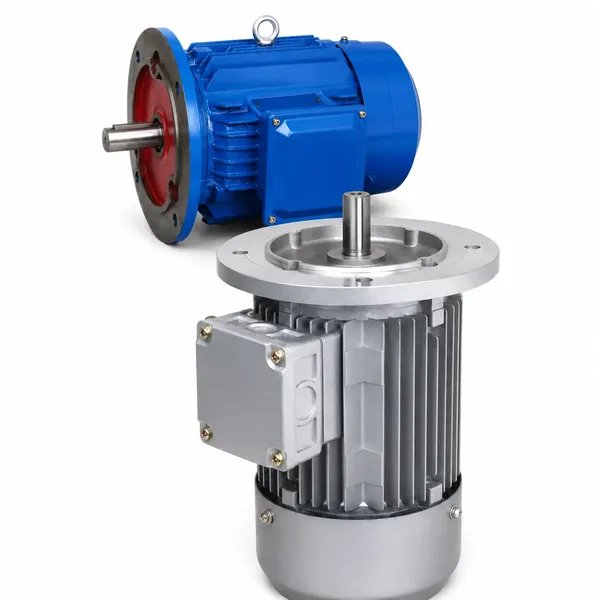
Yksi- ja monisylinteriset mäntäkompressorit, teho 0,75–37 kW. Mäntäkompressori kohdistaa moottorin akseliin syklisesti vaihtelevan vääntömomentin, kun kukin sylinteri käy läpi imu- ja puristusiskuja. Huippuvääntömomentti puristusiskun lopussa voi olla 2,0–3,0 kertaa keskimääräinen vääntömomentti. Moottorin on käynnistettävä kompressori sylinterissä olevaa jäännöspainetta vasten, mikä vaatii lukitun roottorin vääntömomentin (LRT), joka on 2,0–2,5 kertaa nimellisvääntömomentti. Vakiokokoonpanossa on nelinapainen Y2-kytkin nopeudella 1 450 rpm, ja se on usein hihnakäyttöinen suhteessa 2:1–3:1 kompressorin vauhtipyörään, jotta vääntömomentin jakautuminen vauhtipyörän inertian kautta on tasaista.
Kaksoisruuviset positiivisen syrjäytyksen kompressorit tehoalueella 5,5–200 kW, jotka tuottavat jatkuvaa paineilmaa 6–13 baarin paineella. Ruuvikompressorilla on tasainen vääntömomenttiominaisuus – ei huippumomenttia puristusiskussa – joten käynnistysmomentti on lähellä käyntimomenttia. 2-napaista Y2-liitäntää nopeudella 2 900 rpm käytetään urosroottorin suoraan tai hihnakäyttöisenä voimanlähteenä nopeudella 3 000–6 000 rpm. Kiinteänopeusmoottoreilla varustetuissa ruuvikompressoreissa käytetään imuventtiiliä kompressorin kuormitukseen ja purkamiseen PLC-ohjauksessa. Energiatehokkaissa ruuvikompressoreissa käytetään YVF2-taajuusmuuttajaa jatkuvaan paineensäädeltyyn nopeuden säätöön.
Scroll-kompressorit pieniin paineilmajärjestelmiin, LVI-jäähdyttimiin ja lääketieteelliseen ilmaan, teho 0,75–7,5 kW. Tasainen vääntömomentti, joka on samanlainen kuin ruuvikompressoreilla. Suoraan kytketty scroll-kiertomekanismiin nopeudella 2 900–3 600 rpm. Käynnistysmomentin tarve on alhainen (1,0–1,5 kertaa nimellismomentti). 2-napainen Y2- tai YS-pienitehomoottori kompakteille scroll-kompressorikokoonpanoille. Öljyttömät versiot vaativat H-luokan eristyksen öljyttömän scroll-kotelon sisällä vallitsevien korkeampien ympäristön lämpötilojen vuoksi.
Suuriin teollisuuden paineilmalaitoksiin tarkoitetut suurnopeuksiset keskipakoiskompressorit (turbokompressorit), teho 75–1 000 kW. Nopeus 5 000–60 000 rpm, vaatii porrastetun vaihteiston tai suurtaajuusmuuttajan. Y2-moottorirunkokooille (enintään 200 kW) 2-napainen Y2, jossa on integroitu porrastettu vaihteisto, kattaa keskipakokompressorien tehoalueen alemman pään. Yli 200 kW:n tehoisten kompressorien moottoreiden tekniset tiedot saat Korea Ever-Powerilta.
2. Käynnistysmomentti ja moottorin napojen valinta
| Kompressorin tyyppi | Moottorin navat | Nopeus | LRT vaaditaan | Käynnistysmenetelmä |
|---|---|---|---|---|
| Edestakaisin liikkuva mäntä (hihnakäyttöinen) | 4-napainen | 1 450 rpm | 2,0–2,5× | DOL tai tähti-kolmiokytkentä |
| Edestakaisin liikkuva mäntä (suora) | 6-napainen tai 4-napainen | 960–1 450 rpm | 2,5–3,0× | DOL-suositus |
| Ruuvi (hihna tai hammaspyörä) | 2-napainen | 2 900 rpm | 1,2–1,5× | Tähti-kolmio tai VFD |
| Vieritä (suoraan) | 2-napainen | 2 900 rpm | 1,0–1,5× | Suora |
| VFD-ruuvi (muuttuva nopeus) | 2-napainen YVF2 | 0–120 Hz | VFD:n ohjaama | Rampin käynnistys taajuusmuuttajan kautta |
Tähti-kolmiokäynnistyksellä varustetuille edestakaisin liikkuville mäntäkompressoreille: varmista, että moottorin lukitun roottorin vääntömomentti tähtikytkennässä (33% kolmio-LRT:ssä) on edelleen riittävä käynnistämään kompressorin jäännössylinteripaineesta huolimatta. Jos tähtikytkennän LRT ei riitä, käytä suorakäynnistystä (DOL) virtaa rajoittavalla reaktorilla tai pehmokäynnistimellä, joka ylläpitää täyden jännite-vääntömomentin käynnistyksen aikana.
3. Kompressorin moottorin tehon laskeminen
P₁ = 1 bar abs, Q = 1 m³/min, P₂ = 8 bar abs
P-iso = (100 000 × 1/60 × ln(8)) = 3 466 W = 3,47 kW
Todellinen ruuvin hyötysuhde: 65–75%
Ilmoitettu teho = 3,47 ÷ 0,70 = 4,96 kW
Mekaaniset häviöt (laakerit, tiivisteet): +0,5 kW
Käyttötehokkuus (hihna/vaihde): 0,95
Palvelukerroin 1,15 jatkuvalle S1:lle: 5,75 × 1,15 = 6,61 kW
Valitse seuraava vakiokoko yllä: Y2 7,5 kW 2-napainen 2 900 rpm
Tarkista: 7,5 kW ÷ 5,75 kW = 1,30 kuormituskerroin — mukava S1-luokitus
Nyrkkisääntö: 5,5–7,5 kW moottori / 1 m³/min 7–8 barin paineella ruuvikompressorille
4. Kohonnut ympäristön lämpötila ja moottorin lämpöluokitus
Kompressorihuone, jossa on useita jatkuvasti käynnissä olevia kompressoreita, tuottaa merkittävästi lämpöä kompressorin vaipan jäähdytyksestä, öljyjäähdyttimen hylkimisestä ja moottorin rungon lämmönhukkauksesta. Ympäristön lämpötilat 35–50 °C kompressorihuoneessa ovat yleisiä ilman riittävää ilmanvaihtoa. IEC:n mukainen moottorin nimellisarvo olettaa ympäristön lämpötilan olevan enintään 40 °C – 45 °C:ssa moottorin teho on alennettava noin 92%:hen nimikilven tehosta ja 50 °C:ssa noin 83%:hen. Jos kompressorihuoneen lämpötila on säännöllisesti yli 40 °C, joko alenna valitun moottorin tehoa tai asenna kompressorihuoneeseen mekaaninen ilmanvaihto, jotta ympäristön lämpötila moottorin tuloaukossa pysyy alle 40 °C:ssa.
Korea Ever-Power Y2 -moottorissa on luokan F eristys (käämityslämpötila 155 °C), mutta lämpöluokitus on luokan B lämpötilannousu (80 K ympäristön lämpötilaa korkeampi nimellisteholla). Tämä 25 K:n lämpötilamarginaali todellisen toiminnan ja luokan F raja-arvon välillä suojaa lyhyiltä yli 40 °C:n ympäristön lämpötilan jaksoilta ilman eristyksen kiihtynyttä vanhenemista. Kompressorimoottoreille, jotka toimivat jatkuvasti korotetussa 40–50 °C:n ympäristön lämpötilassa, Y2:n luokan F eristys tarjoaa tarvittavan lämpömarginaalin, jota ei olisi saatavilla luokan B moottorin eristysjärjestelmällä.
5. IE3-tehokkuus ja vuotuiset energiakustannusten säästöt
Vuotuinen energia = 8 297 × 16 × 250 ÷ 1 000 = 33 188 kWh
0,12 USD/kWh: vuosikustannukset = 3 983 USD
Moottorihäviöt = 8 297 − 7 500 = 797 W lämpöä kompressorihuoneessa
Vuotuinen energia = 8 179 × 16 × 250 ÷ 1 000 = 32 716 kWh
0,12 USD/kWh: vuosikustannukset = 3 926 USD
Vuosittainen säästö verrattuna IE2:een: 57 USD — takaisinmaksuaika IE3-preemiolla: tyypillisesti 2–3 vuotta
Moottorihäviöt pienenevät 118 W → alhaisempi kompressorihuoneen lämpötila
Suuremmilla kompressorimoottoreilla (22–75 kW), joita käytetään jatkuvatoimisissa tuotantolaitoksissa 24 tuntia vuorokaudessa, vuotuinen IE3-energiansäästö IE2-luokkaan verrattuna voi olla 500–2 000 USD moottoria kohden, ja hyötysuhdepreemio maksaa itsensä takaisin vuoden kuluessa. Korea Ever-Power Y2 -sarjan moottorit ovat vakiona IE3-luokan mukaisia – erillistä hyötysuhdeluokan valintaa ei tarvita.
6. Korea Ever-Power Y2 -kompressorien tekniset tiedot
Korea Ever-Power Y2 -sarja kattaa 1,5–200 kW:n tehoalueen 2- ja 4-napaisina kokoonpanoina kaikkiin ilmakompressorimoottoreiden sovelluksiin. 2-napainen Y2, jonka nopeus on 2 900 rpm, sopii ruuvi- ja scroll-kompressoreille, jotka vaativat suurta akselinopeutta. 4-napainen Y2, jonka nopeus on 1 450 rpm, sopii mäntämäntäkompressoreille, jotka vaativat suurempaa käynnistysmomenttia. IE3-hyötysuhde on vakiona kaikissa Y2-runkotyypeissä. IP55-luokitus on määritetty kompressorihuoneasennuksiin, joissa on pölyä ja öljysumua. VFD-ohjatuissa ruuvikompressoreissa, jotka vaativat muuttuvaa nopeutta, Y2 on vaihdettava YVF2 IC416 -piiriin. VFD-moottoriosaKoko Y2-mallisto on kolmivaihemoottoriosaYhteystiedot Korea Ever-Power yli 75 kW:n kompressorimoottoreiden mitoitusapuun.
| Tehoalue | 1,5–200 kW |
| puolalaiset | 2P (2 900) tai 4P (1 450) |
| Tehokkuus | IE3-standardi |
| Eristys | Luokka F (155 °C) |
| IP-luokitus | IP55 kompressorihuoneelle |
| Palvelukerroin | 1.15 |
| Velvollisuus | S1 jatkuva |
| LRT | 2,0–2,5× (4P) / 1,8–2,2× (2P) |
7. Ilmakompressorien sovellukset
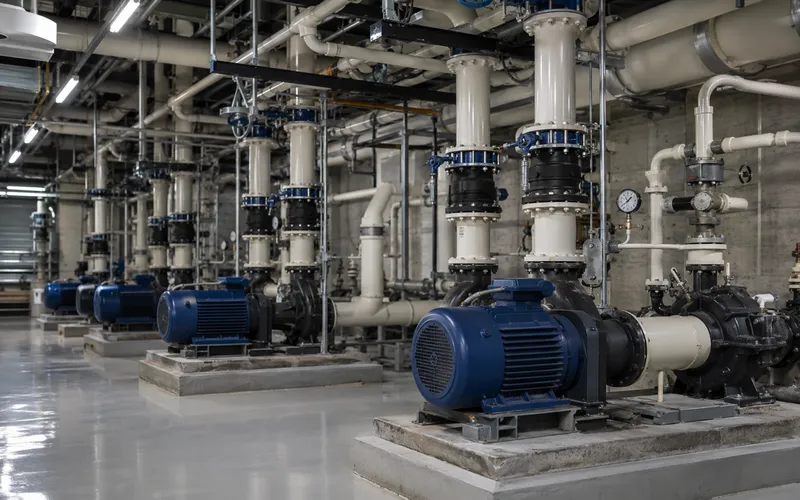
Tehtaan paineilmalaitos
7,5–200 kW:n ruuvikompressorit, jotka tuottavat 6–10 baarin paineilmaa pneumaattisille työkaluille, automaatioon, ruiskumaalaukseen ja prosessilaitteisiin tuotantolaitoksissa. Y2 2-napainen, IE3, IP55, S1 jatkuva. Useita kompressoreita paineilmajakotukissa, jossa on etu- ja jälkisäätö. VFD-säätökompressori, joka käyttää YVF2:ta painealueen säätöön ja energiansäästöön osakuormalla. |
Työpaja mäntäkompressori
Yksi- ja kaksisylinteriset mäntäkompressorit 1,5–15 kW korjaamoiden ilmatyökaluihin, ruiskumaalaukseen, renkaiden täyttöön ja huoltoasemien paineilmakäyttöön. Y2 4-napainen, IE3, IP55, S1- tai S3-käyttö kompressorin ohjaustavasta riippuen. Hihnakäyttö 1,5:1–3:1 kompressorin vauhtipyörään nähden. DOL-käynnistys vaaditaan täyden LRT:n käynnistymiseen jäännössylinterin painetta vastaan. |
Öljyttömät scroll- tai mäntäkompressorit lääketieteellisen paineilman (ISO 7396-1) toimittamiseen sairaaloiden ilmapäätteille, hammaslääketieteellisille käsikappaleille ja laboratorioinstrumenteille. Y2 tai YS 0,75 - 7,5 kW 2-napainen. Öljyttömissä kompressoreissa on korkeampi ympäristön lämpötila kompressorin kotelon sisällä — Y2:n luokan F eristys tarjoaa tarvittavan lämpömarginaalin. Redundanttiset kompressorit, joissa on automaattinen vaihtokytkentä.
Öljytöntä paineilmaa elintarvikkeiden ja juomien pakkaamiseen, elintarvikkeiden ainesosien pneumaattiseen kuljetukseen ja elintarvikkeiden kanssa kosketuksissa olevaan prosessi-ilmaan. Y2 2-napainen 5,5 - 55 kW. Öljyttömät ruuvi- tai mäntäkompressorit. IP55 elintarviketehtaiden pesuympäristöön. Joissakin asennuksissa vaaditaan BXG-ruostumattomasta teräksestä valmistettu moottori, jos moottori on tuotantoalueen elintarvikkeiden kosketusalueella.
Maanalaiseen ja maanpäälliseen kaivokseen tarkoitettu paineilma pneumaattiseen poraukseen, kallionpulttaukseen ja ilmanvaihtoon. Y2 4-napainen tai 2-napainen 22–200 kW suurille kaivoskompressoreille 6–10 baarin paineella. Korkeustason aiheuttama kuormituksen alentaminen korkealla sijaitseville kaivoksille. IP55 pölyisiin kaivosympäristöihin. Ex d YB2 vaaditaan hiilikaivoksille, joiden kompressorihuoneessa on metaania.
Syöttöilmakompressorit typen tuottamiseen paineenvaihteluadsorptiolla (PSA) tai kalvoerottelulla, jotka syöttävät typpeä palon sammuttamiseen, pakkaamiseen ja inertointiin. Y2 2-napainen 7,5–75 kW PSA-syöttöilmakompressoreille 8–12 baarin paineella. Jatkuva S1-käyttö vaaditaan, koska PSA-järjestelmät ovat käynnissä 24 tuntia vuorokaudessa typpivarastojen ylläpitämiseksi.

8. Usein kysytyt kysymykset
Cxm:n muokkaama