1. Dairy and Beverage vs Meat Processing: Key Motor Specification Differences
Both dairy and beverage processing plants require IP69K stainless steel motors in production areas, but several important differences affect the motor specification compared to red meat and poultry processing facilities.
| Factor | Meat Processing | Dairy / Beverage | BXG Implication |
|---|---|---|---|
| CIP chemistry | NaOH + NaOCl | NaOH + HNO₃ (acid step) | 316L required for acid resistance; 304 not adequate |
| Production temp | 0–10°C | −5°C to 140°C (UHT) | Class H insulation essential for thermal shock |
| Chloride level | Very high (NaOCl) | Low to moderate | 316L still specified; acid resistance is the driver |
| Hygiene standard | USDA / FSIS / EU 853 | 3-A / IDF / EHEDG | BXG design meets all three standards |
| Washdown frequency | 1–3 times/day | 1–2 times/day | IP69K required in both; identical specification |
2. Dairy CIP: Alkaline and Acid Cycles
Dairy processing CIP differs from meat processing CIP in one critical respect: dairy CIP includes an acid wash step using nitric acid (HNO₃) or phosphoric acid (H₃PO₄). This acid step removes mineral scale (calcium phosphate deposits from milk) that the alkaline step cannot dissolve. Motors in dairy plant production and CIP splash zones must resist both the alkaline and acid steps of the dairy CIP cycle.
Water at 40–50°C. Removes gross milk residue. Low chemical exposure. 3–5 min.
NaOH 1–2% at 70–80°C, 10–20 min. Removes protein and fat. Motor frame must resist hot caustic.
Water rinse to remove alkali before acid step. 3–5 min at 40–60°C.
HNO₃ 0.5–1.5% or H₃PO₄ 0.5–1% at 60–70°C, 10–20 min. Removes milk stone scale. Critical SS316L requirement.
Water or sanitiser rinse to remove acid and prepare for next production run. 5–10 min.
Critical: SS304 stainless steel corrodes rapidly in dilute nitric acid above 0.5% concentration at 60°C. In a dairy CIP acid wash cycle run at the typical 1% HNO₃ at 65°C for 20 minutes daily, an SS304 motor frame will show visible pitting within 2 to 4 months. Only SS316L provides adequate resistance to dairy acid CIP conditions. The BXG motor uses SS316L for all external components as standard.
3. 3-A, IDF, and EHEDG Requirements for Dairy Motors
3-A Sanitary Standards Inc. sets detailed sanitary design requirements for dairy processing equipment in the USA and is referenced by FDA, USDA, and dairy industry buyers worldwide. For motors and drives installed in or adjacent to dairy product contact zones, 3-A design principles require: corrosion-resistant materials (SS316L minimum), surface finish Ra ≤ 0.8 μm, no crevices or dead zones, self-draining surfaces, and no exposed threads or fastener sockets in product contact zones. The BXG series meets 3-A design principles and is accepted by dairy plant hygiene auditors operating to 3-A standards.
IDF hygienic equipment design guidelines are the primary dairy equipment hygiene standard for dairy plants outside North America, particularly in Europe, Oceania, and South America. IDF guidelines for equipment hygiene align closely with EHEDG Document 8 in requiring SS316L construction, Ra ≤ 0.8 μm surface finish, CIP cleanability, and no horizontal pooling surfaces. Dairy processors exporting to EU markets require third-party food safety certification (IFS Food, BRC, or FSSC 22000) that incorporates IDF and EHEDG design principles into equipment selection audits.
EHEDG Document 8 (Hygienic Design Criteria for the Safe Processing of Food) and EHEDG Document 37 (Hygienic Design Criteria for Electrical Equipment) specifically address motors and drives in food processing. EHEDG Document 37 requirements for motors include: IP69K protection, SS316L or equivalent corrosion-resistant material, Ra ≤ 0.8 μm external surface finish, FDA-compliant shaft seals, NSF H1 food-grade bearing grease, and self-draining design. The BXG series was developed in alignment with EHEDG Document 37 requirements.
4. Temperature Range in Dairy and Beverage Drive Applications
Dairy and beverage plants operate motors across a wide temperature range that imposes thermal cycling stress not present in meat processing (which is consistently cold). Class H insulation in the BXG is important because the thermal shock from CIP hot water (70 to 80°C at 80 bar) applied to a motor that was operating in a chiller or freezer room (-5 to 4°C) is one of the most severe thermal stress conditions for motor winding insulation in any food processing application.
Milk reception, pasteurised milk storage, cheese maturation, yoghurt chilling. Motor runs cold; condensation risk on startup.
Cheese cutting, butter filling, yoghurt portioning, juice filling. Standard ambient for most dairy production areas.
Plate heat exchanger drive motors and agitator drives in the pasteurisation room. Hot product in adjacent pipework heats the motor environment significantly above standard ambient.
UHT plant environment near aseptic filler. Very high ambient temperature. BXG Class H insulation rated to 180°C winding temperature provides adequate thermal margin at this ambient.
5. SS316L Performance in Nitric Acid CIP Conditions
Nitric acid (HNO₃) at 0.5 to 2.0% concentration is the primary acid CIP agent in dairy plants because it dissolves calcium phosphate scale (milk stone) and is compatible with SS316L at dairy CIP temperatures (60 to 70°C). SS316L’s passivation in nitric acid is actually enhanced by the oxidising nature of dilute nitric acid — the acid promotes the formation of a thicker and more uniform passive oxide film on the 316L surface, improving corrosion resistance compared to the state before acid treatment. This passivation enhancement is the reason SS316L dairy equipment often looks cleaner and brighter after several months of use in a dairy CIP environment than when first installed.
The BXG motor is supplied with a passivation treatment applied after final machining, which removes any free iron contamination from the SS316L surface introduced during the manufacturing process. This initial passivation ensures the BXG is ready for dairy CIP service from the first cleaning cycle without a conditioning period.
| HNO₃ up to 2% | Excellent |
| H₃PO₄ up to 2% | Excellent |
| NaOH up to 4% | Excellent |
| NaOCl up to 200 ppm | Good |
| Peracetic acid 0.2% | Good |
| HCl (avoid) | Not recommended |
6. Korea Ever-Power BXG for Dairy and Beverage Drives
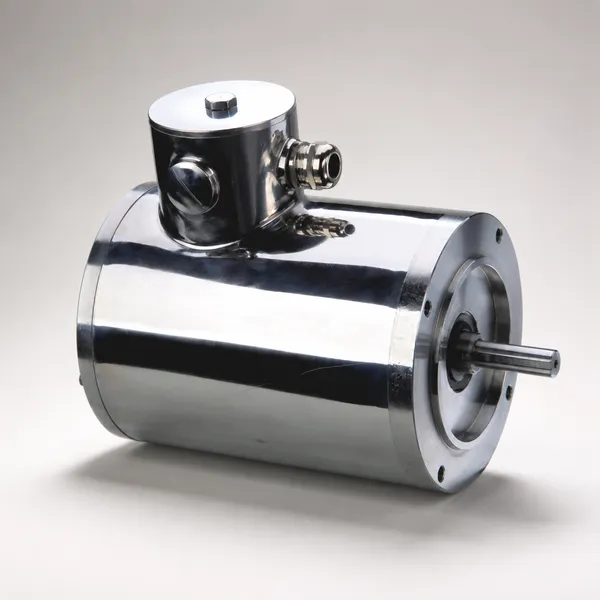
The BXG series is the correct and complete motor specification for all dairy and beverage processing drives in CIP-exposed zones. It combines IP69K washdown protection with SS316L acid-resistant construction, Ra ≤ 0.8 μm hygienic surface finish, FDA silicone shaft seals, NSF H1 bearing grease, and Class H insulation for the full temperature range of dairy processing environments. The BXG uses IEC 72-1 metric frames, allowing it to replace any standard Y2 motor on an existing drive without modification to the baseplate, coupling, or conduit entry. The complete BXG range is available in the stainless steel motor product section. Contact Korea Ever-Power for UHT or high-temperature dairy applications requiring confirmation of ambient temperature derating.
| Frame material | AISI 316L all external |
| IP rating | IP69K certified |
| Surface finish | Ra ≤ 0.8 μm (passivated) |
| Acid CIP | HNO₃ and H₃PO₄ resistant |
| Shaft seals | FDA silicone (21 CFR) |
| Grease | NSF H1 food-grade |
| Insulation | Class H (thermal shock) |
| Power range | 0.18–11 kW |
| Poles | 2P (2,860 rpm) or 4P (1,440 rpm) |
7. Dairy and Beverage Processing Applications
Milk Separator and Homogeniser Drive
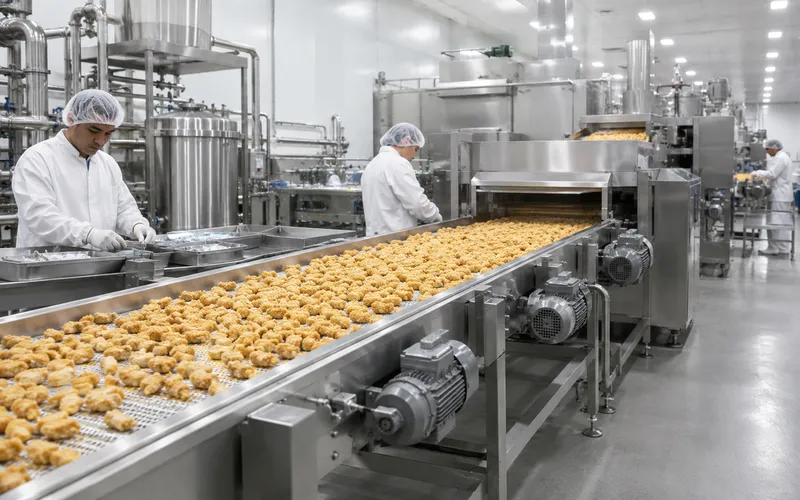
Centrifugal cream separators and high-pressure homogenisers in the milk processing room operate in close proximity to milk contact surfaces and are subject to daily full CIP cycles. BXG 2-pole 1.5 to 7.5 kW for separator drive motors. The separator bowl area is classified as a high-hygiene zone; any motor in splash range of the bowl must be IP69K SS316L. The CIP cycle for the separator includes the full NaOH + HNO₃ sequence at 70 to 80°C — only SS316L is acceptable in this zone. |
Beverage Filling Line Conveyor
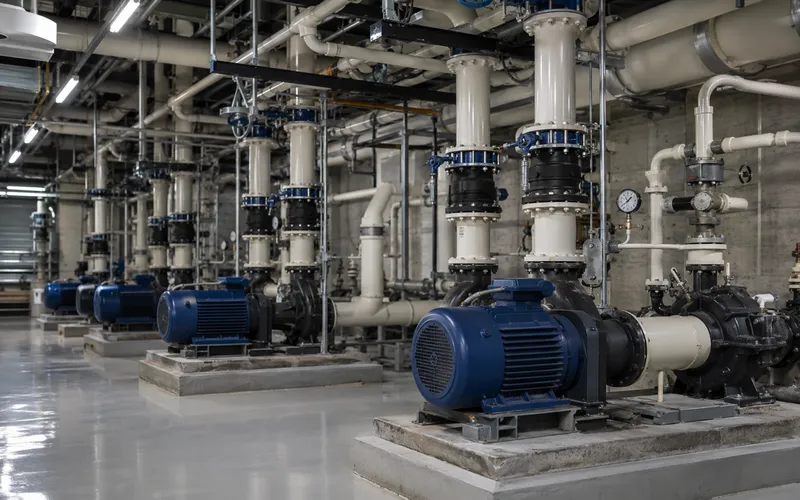
Bottle, can, and carton conveyor drives on juice, beer, soft drink, and dairy beverage filling lines in the filling hall. BXG 4-pole 0.37 to 2.2 kW for individual conveyor section drives. Filling halls for pasteurised beverages are washed down daily with alkaline and acid CIP circuits; all motors in the open filling zone must be IP69K. BXG is available in right-angle mounting configuration for under-conveyor drive installation where headroom is limited. |
External agitator drive motors on yoghurt fermentation tanks and cream standardisation vessels. BXG 4-pole or 6-pole 0.18 to 2.2 kW paired with NMRV worm gearmotor at 20:1 to 60:1 for slow agitation at 5 to 30 rpm. Daily acid CIP cycle applies to the tank exterior and any motor within the clean zone boundary.
Curd conveyor, mould filling, pressing, and turning drives in cheese processing rooms. BXG 4-pole 0.37 to 1.5 kW. Cheese rooms operate at 8 to 15°C with high humidity and daily acid CIP. The combination of low temperature, high humidity, and acid wash exposure makes BXG SS316L the only reliable motor specification for this environment.
Yeast dosing pump drives, transfer line pump motors, and fermentation tank agitators in brewery fermentation halls. Brewery CIP uses NaOH and H₃PO₄ at high temperature. BXG 4-pole 0.18 to 2.2 kW. Brewery fermentation halls have very high CO₂ concentrations that can accelerate corrosion on non-SS316L surfaces.
The CIP station itself — which pumps the caustic and acid solutions to the production equipment — uses centrifugal CIP pumps driven by BXG motors in the 1.5 to 7.5 kW range. The CIP pump motor is directly exposed to the CIP chemicals throughout the cleaning cycle and must be SS316L for both chemical resistance and hygienic design.

8. Frequently Asked Questions
Edited by Cxm