2. Gruppen von Lacklösungsgasen
3. Spezifikation des Abluftventilatormotors
4. Anforderungen an den Förderbandmotor der Kabine
5. Schutzart IP55 und Schutz vor Lacknebel
6. YB2 für Spritzkabinenanwendungen
7. Anwendungen für Spritzkabinen und Beschichtungsanlagen
8. Häufig gestellte Fragen
1. Gefahrenbereichseinstufung der Spritzkabine
Lackierkabinen gelten gemäß IEC 60079-10-1 und der ATEX-Richtlinie als explosionsgefährdete Bereiche, da lösemittelhaltige Lacke, Farben und Grundierungen beim Zerstäuben entzündliche Dämpfe freisetzen, die sich mit der Kabinenluft vermischen und potenziell explosive Dampf-Luft-Gemische bilden. Die Ausdehnung der Gefahrenzone um eine Lackierkabine hängt von der Art des Lösemittels, der Spritzrate und der Effektivität der Kabinenbelüftung ab.
Während des aktiven Spritzvorgangs befindet sich der Innenraum der Spritzkabine in Zone 1: Beim normalen Spritzen kann ein explosives Gemisch aus Lösemitteldampf und Luft entstehen. Die Spritzzone erstreckt sich vom Boden bis zur Decke und über die gesamte Breite und Tiefe des Kabineninneren. Sämtliche elektrische Geräte innerhalb der Kabine – einschließlich des Abluftventilators, aller Förderbandantriebe und der Beleuchtung – müssen für den Betrieb in Zone 1 nach ATEX/IECEx zertifiziert sein.
Der Bereich unmittelbar außerhalb der Spritzkabinenöffnung (innerhalb von 1 m von der Kabinenfrontöffnung), der Bereich um alle Zuluft- und Abluftöffnungen der Spritzkabine (innerhalb von 1 m) sowie der Bereich um Farbmischräume (innerhalb von 1 m von allen offenen Behältern) werden als Zone 2 klassifiziert. Motoren in Zone 2 müssen für den Einsatz in Zone 2 nach Ex d oder gleichwertig zertifiziert sein. Ein für Zone 1 zertifizierter YB2-Motor ist auch für die Installation in Zone 2 geeignet.
Befindet sich der Abluftventilator auf dem Dach des Gebäudes oder in einem externen Plenum, das mehr als 3 m von der Abluftöffnung der Spritzkabine entfernt ist, kann er außerhalb der explosionsgefährdeten Zone liegen. Allerdings kann der Abluftstrom selbst Lösungsmitteldämpfe oberhalb der unteren Explosionsgrenze (UEG) enthalten, wenn die Kabinenlüftung unzureichend ist. Dadurch werden Lüfterrad und Motor zu potenziellen Zündquellen. Korea Ever-Power empfiehlt daher, für Abluft- und Zuluftventilatoren in Spritzkabinenlüftungssystemen unabhängig von deren Position relativ zu den Zonengrenzen stets die Schutzart YB2 Ex d vorzuschreiben.
2. Lösemittelgasgruppen für Lacke und T4-Anforderung
Lacklösungsmittel fallen in die IEC-Gasgruppen IIA und IIB. Die Zertifizierung YB2 Ex d IIB T4 deckt alle gängigen Lack- und Beschichtungslösungsmittel ab, die in der Automobil-, Industrie-, Holz- und Möbelindustrie verwendet werden.
| Lösungsmittel | Gasgruppe | Selbstzündungstemperatur | T-Klasse erforderlich | YB2 IIB T4 geeignet? |
|---|---|---|---|---|
| Toluol | IIA | 480°C | T1 | Ja |
| Xylol | IIA | 464 °C | T1 | Ja |
| Aceton | IIA | 465°C | T1 | Ja |
| Ethylacetat | IIA | 427 °C | T2 | Ja |
| Isopropylalkohol | IIB | 399 °C | T2 | Ja |
| Ethylenglykol | IIB | 398 °C | T2 | Ja |
| Diethylether | IIB | 160 °C | T4 | Ja – T4 erforderlich |
| Farbe auf Wasserbasis (VOC-arm) | IIA | > 400 °C | T1–T2 | Ja |
Hinweis zur Spezifikation: Die meisten lösemittelbasierten Auto- und Industrielacke verwenden Toluol, Xylol, Ethylacetat und Alkohole als Lösemittelträger – alle der Gruppe IIA oder IIB. Der Motor YB2 Ex d IIB T4 deckt all diese Lösemittel mit einer einzigen Zertifizierung ab. Für Anlagen, die Diethylether oder andere Lösemittel mit niedriger Selbstentzündungstemperatur verwenden, bietet die Temperaturklasse T4 den erforderlichen Schutz. Prüfen Sie vor der Spezifikation des Motors stets anhand der Bereichsklassifizierung, welche spezifischen Lösemittel verwendet werden.
3. Spezifikation des Abluftventilators für Spritzkabinen
Der Abluftventilator ist der sicherheitskritische Motor in einer Spritzkabine. Seine Hauptfunktion besteht darin, eine Mindestluftwechselrate in der Kabine aufrechtzuerhalten (typischerweise 0,5 bis 1,0 m/s Anströmgeschwindigkeit), um die Lösemitteldämpfe während des gesamten Spritzvorgangs stets unter 251 TP3T der unteren Explosionsgrenze (UEG) zu verdünnen. Fällt der Abluftventilator aus und stoppt er während des Spritzvorgangs, reichern sich die Lösemitteldämpfe in der Kabine rasch an und erreichen potenziell explosionsgefährliche Konzentrationen. Daher sind die Zuverlässigkeit und die explosionsgeschützte Ausführung des Abluftventilators von höchster Bedeutung.
Die Leistung des Abluftventilators in einer Lackierkabine hängt von der Kabinenfläche, der Anströmgeschwindigkeit, dem statischen Druckverlust im Kanal und dem Wirkungsgrad des Ventilators ab. Für eine typische Lackierkabine im Automobilbereich (4 m breit × 2,5 m hoch) bei einer Anströmgeschwindigkeit von 0,5 m/s gilt: Q = 4,0 × 2,5 × 0,5 = 5,0 m³/s. Bei einem statischen Druck im Kanal von 200 Pa und einem Wirkungsgrad des Ventilators 65% ergibt sich eine Motorleistung von 5,0 × 200 ÷ (1000 × 0,65) = 1,54 kW. Bei einem Betriebsfaktor von 1,25 ist der Ventilator YB2 2,2 kW, 4- oder 2-polig, Ex d IIB T4, zu wählen.
Der Lüftermotor kann über einen Riemen von außerhalb der Zone 1 durch eine Wellendurchführung in der Kabinenwand angetrieben werden, wobei sich nur das Laufrad innerhalb der Kabine befindet. In diesem Fall können sich die Motorwellendichtung und der Motor selbst in Zone 2 anstatt in Zone 1 befinden. Korea Ever-Power empfiehlt jedoch für Lackierkabinenlüfter in Zone 1 und Zone 2 die Schutzart YB2 Ex d IIB T4. Der Motor ist direkt mit dem Lüfterlaufrad verbunden, das explosionsgefährdete Atmosphären fördert, und jegliche Motorstörung, die Wärme erzeugt, muss innerhalb der Spezifikationen für Motoren der Zone 1/2 liegen. Verwenden Sie keine Standardmotoren, selbst wenn behauptet wird, dass sich das Motorgehäuse außerhalb der Gefahrenzone befindet.
Jede Spritzkabine muss über eine Luftstromsperre verfügen, die den Betrieb der Spritzpistole verhindert, wenn der Abluftventilator nicht läuft oder die gemessene Anströmgeschwindigkeit unter den zulässigen Mindestwert fällt. Diese Sperre wird üblicherweise durch einen Luftstromschalter oder einen Differenzdrucksensor im Abluftkanal realisiert, der über ein Sicherheitsrelais mit dem Stromkreis der Spritzpistole verbunden ist. Der Abluftventilator des Modells YB2 muss anlaufen und den Luftstrom nachweisen, bevor die Spritzpistole durch die Luftstromsperre ihren Betrieb freigibt.
4. Anforderungen an den Förderbandmotor der Kabine
Kontinuierliche Beschichtungsanlagen transportieren Werkstücke mittels Hängeförderern oder Kettenförderern durch die Spritzkabine. Alle Fördermotoren und Getriebe, die innerhalb der Zone 1 der Spritzkabine installiert sind, müssen nach der gleichen Ex d IIB T4-Norm wie der Lüftermotor zertifiziert sein. Für Fördermotoren gelten keine Ausnahmen aufgrund ihrer geringen Größe oder niedrigen Nennleistung – ein 0,55-kW-Fördermotor in einer Spritzkabine kann ein Lösemittel-Luft-Gemisch genauso gut entzünden wie ein 22-kW-Lüftermotor.
Kettenförderer, die durch Spritzkabinen verlaufen, verwenden nach Möglichkeit Antriebsmotoren außerhalb der Spritzzone. Die Förderkette wird durch kleine Öffnungen in die Kabine eingeführt und aus ihr herausgeführt. Muss der Antriebsmotor des Förderers innerhalb der Spritzzone platziert werden (z. B. bei kompakten Kabinenlayouts), ist für den Antriebskopf YB2 0,55 bis 3,0 kW Ex d IIB T4 vorzugeben. Der Motor muss zudem für den Dauerbetrieb S1 bei der Förderbandgeschwindigkeit ohne Überlastung ausgelegt sein, da jede Motorüberlastung in explosionsgefährdeten Bereichen die Gefahr einer Überschreitung der Oberflächentemperatur T4 birgt.
Bodenseitige Lamellen- oder Rollenförderer, die Werkstücke durch eine horizontale Spritzkabine transportieren, verfügen über Motoren im Spritzbereich. Lösemittel sind schwerer als Luft und sammeln sich tendenziell am Boden – die Lösemittelkonzentrationen im Bodenbereich einer Spritzkabine können daher höher sein als im mittleren Bereich, wo sich der Sprühnebel befindet. Alle Motoren der bodenseitigen Förderer in der Kabine müssen der Schutzart YB2 Ex d IIB T4 entsprechen. Die Schutzart IP55 bietet Schutz gegen Farbnebel, der während des Spritzvorgangs auf den Motor gelangen kann.
5. Schutzart IP55 und Schutz vor Lacknebel
Zusätzlich zur Ex-d-Explosionsschutzzertifizierung bietet das IP55-Gehäuse des YB2-Motors einen wichtigen weiteren Vorteil im Einsatz in Lackierkabinen: Es verhindert das Eindringen von Farbnebel in den Motor. Farbnebelpartikel, die durch die Lüftungsschlitze in den Motor gelangen, lagern sich an der Wicklung und den Kühlrippen ab, isolieren den Motor von seinem eigenen Kühlluftstrom und erhöhen die Wicklungstemperatur über den Grenzwert T4. IP55 verhindert diese Ablagerungen und schützt den Motor zudem vor der wöchentlichen Hochdruckreinigung, die in Lackierkabinen erforderlich ist, um Farbrückstände von Boden, Wänden und Geräten zu entfernen.
6. Korea Ever-Power YB2 für Spritzkabinenanwendungen
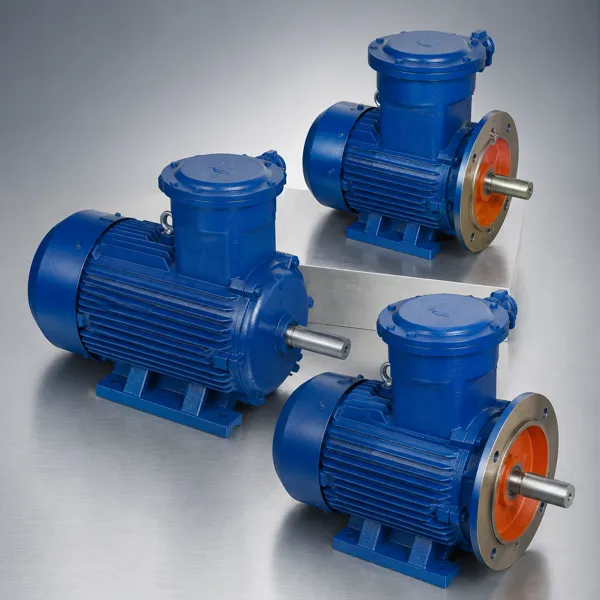
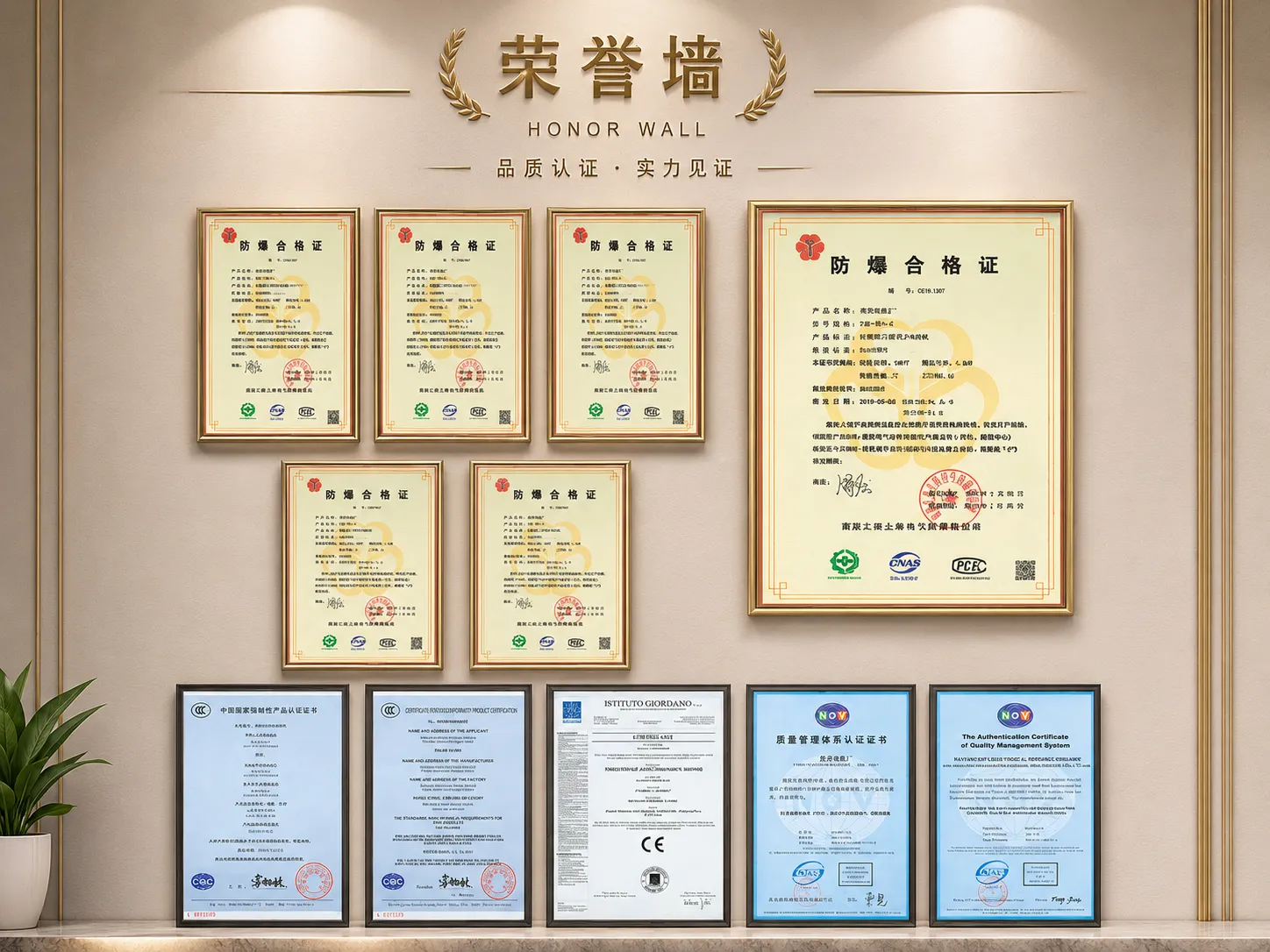
Der Korea Ever-Power YB2 Ex d IIB T4 ist die vollständige Motorspezifikation für alle Motoren der Zonen 1 und 2 in Lackierkabinen, Beschichtungsanlagen und Farbmischräumen. Er bietet ATEX- und IECEx-Zertifizierung, IP55-Schutz gegen Farbnebel und Wasserstrahl, eine Oberflächentemperaturgrenze von T4 für alle gängigen Lacklösemittel und die gleichen metrischen IEC-Baugrößen wie der Standard-Y2 für eine einfache Nachrüstung in bestehende Lackierkabinen. Die gesamte YB2-Baureihe ist erhältlich in der Produktbereich explosionsgeschützte MotorenFür Lackierkabineninstallationen, die eine Drehzahlregelung der Abluftventilatoren mittels Frequenzumrichter zur variablen Luftstromregulierung erfordern, wenden Sie sich bitte an [Kontaktinformationen einfügen]. Korea Ever-Power Hinweise zur Kompatibilität von Ex d-Motoren mit Frequenzumrichtern.
| Zertifizierung | ATEX + IECEx Ex d IIB T4 |
| Zone | Zone 1 und Zone 2 |
| Gasgruppe | IIA- und IIB-Lacklösungsmittel |
| Oberflächentemperatur | T4 = maximal 135 °C |
| IP-Schutzart | IP55 (Sprühnebel + Abspülen) |
| Leistungsbereich | 0,55–200 kW |
| Polen | 2P / 4P / 6P verfügbar |
| Rahmen | IEC 72-1 (identisch mit Y2) |
7. Anwendungen für Spritzkabinen und Beschichtungsanlagen
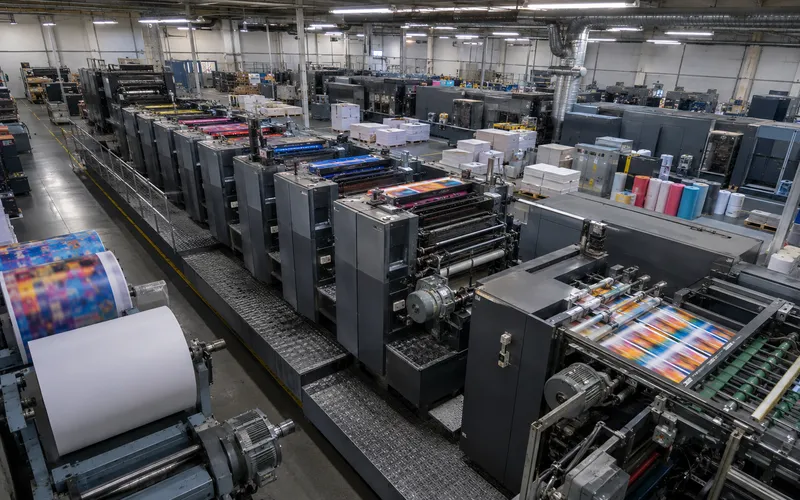
Autolackierkabine
Lackierkabinen in Karosseriewerkstätten und Fahrzeugreparaturwerkstätten verwenden lösemittelbasierte Basislacke und Klarlacke, die Toluol, Xylol und Isopropylalkohol enthalten. Abluftventilator: YB2 2,2 bis 7,5 kW, 4- oder 2-polig, Ex d IIB T4. Zuluftventilator (Frischluft): YB2 1,5 bis 5,5 kW. Der Abluftventilator läuft während des gesamten Lackiervorgangs und der anschließenden Ablüftphase kontinuierlich; er darf erst dann abgeschaltet werden, wenn die Kabinenluft am Ende jedes Lackiervorgangs vollständig von Lösemitteldämpfen befreit ist. |
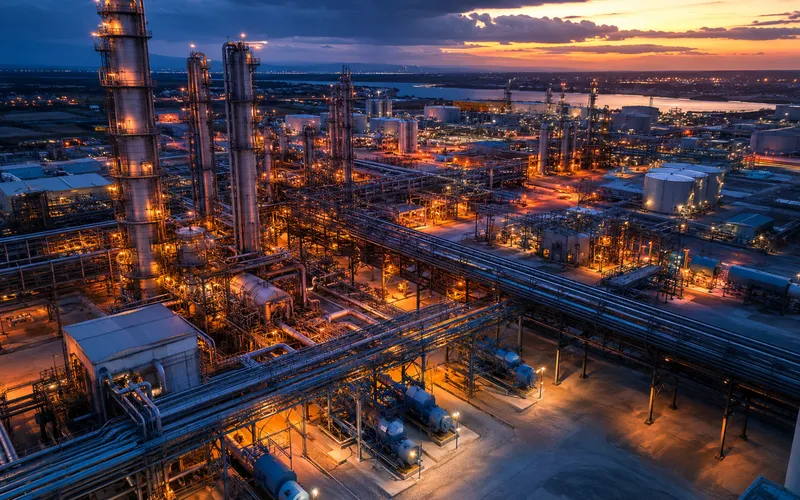
Industrielle Flüssiglackbeschichtungslinie
Kontinuierliche Beschichtungsanlagen für Metallkomponenten, Möbel und Industrieteile nutzen Hängekettenförderer zum Transport der Werkstücke durch Sprühzonen, Ablüftöfen und Härteöfen. Antriebsmotoren der Förderbänder in der Sprühzone: YB2 0,55 bis 3,0 kW, Ex d IIB T4. Zone 1 befindet sich in der Sprühzone; Zone 2 im Ablüftbereich, wo Restlösungsmitteldämpfe vorhanden sein können. Alle Motoren innerhalb der Zonengrenzen von Zone 1 oder Zone 2 müssen YB2-zertifiziert sein. |
Lackieranlagen für Möbel und Holzprodukte mit Nitrozelluloselacken und Polyurethanlacken. Abluftventilatoren der Klasse YB2 (1,5 bis 11 kW). Nitrozelluloselacke verwenden Ethylacetat und Butylacetat (Gruppe IIA); die Klasse YB2 IIB umfasst beide. Hohe Lackiermengen in Holzlackieranlagen erfordern sehr hohe Luftwechselraten und entsprechend leistungsstarke Abluftventilatoren.
Farbmisch- und Verdünnungsräume, in denen Lösemittelbehälter geöffnet und die Farbe auf Sprühviskosität verdünnt wird. Zone 2 im allgemeinen Mischraumbereich. Abluftventilator: YB2 0,55 bis 2,2 kW zur Aufrechterhaltung von 6 bis 10 Luftwechseln pro Stunde. Sämtliche elektrische Geräte im Mischraum, einschließlich des Abluftventilatormotors, müssen für Zone 2 zertifiziert sein.
Lösungsmittelrückgewinnungs- und -rückführungssysteme in großen Beschichtungsanlagen gewinnen Lösungsmittel aus der Abluft zur Wiederverwendung zurück. Der Ventilator der Rückgewinnungseinheit und alle Pumpenmotoren, die lösungsmittelhaltige Luft oder flüssiges Lösungsmittel fördern, befinden sich je nach ihrer Position relativ zum Rückgewinnungsbehälter in Zone 1 oder Zone 2. YB2 0,75 bis 5,5 kW für die Antriebe von Ventilator und Pumpe der Rückgewinnungseinheit.
Abluftventilatoren für Verdampfungsöfen, die hohe Konzentrationen von Lösemitteldämpfen abführen, die unmittelbar nach dem Spritzen von nassem Lackfilm verdunsten. Die Zone-1-Klassifizierung gilt für den Innenraum des Abluftkanals der Verdampfungszone. YB2 2,2 bis 11 kW, 2-polig für Abluftanlagen mit hohem Luftdurchsatz bei erhöhter Umgebungstemperatur (bis zu 60 °C – Motorleistung bei erhöhter Umgebungstemperatur reduzieren).
8. Häufig gestellte Fragen
Bearbeitet von Cxm