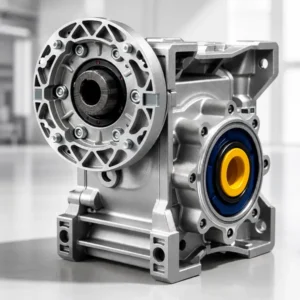
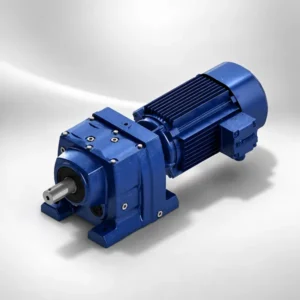
Špirálovitový redukčný prevod série S
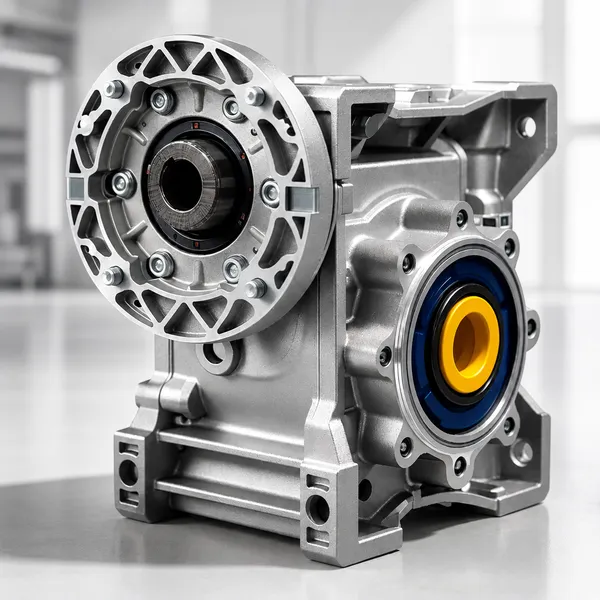
Kombinovaný pravouhlý redukčný prevod so špirálovým prevodom prvého stupňa a závitovkovým prevodom druhého stupňa, dostupný vo veľkostiach S37 až S157. Špirálovitý predstupeň poskytuje účinnosť závitovkového druhého stupňa 96 až 981 TP3T, čo dáva sérii S výrazne vyššiu celkovú účinnosť ako jednostupňová závitovková prevodovka pri rovnakom prevodovom pomere, pričom si zachováva kompaktnú pravouhlú geometriu, samosvornosť pri vysokých prevodových pomeroch a široký rozsah prevodových pomerov, vďaka čomu sú závitovkové prevodovky štandardnou voľbou pre pohony dopravníkov, brán a miešadiel.
Pomery: 9,96 – 244,74
Výstupný krútiaci moment: 200 – 4 000 N·m
Pravouhlý výstup
Samosvorné nad 35:1
Krytie IP55
To najlepšie z oboch: Špirálová účinnosť so závitovkovým samosvorným mechanizmom v jednom balení
Špirálová závitovková prevodovka série S rieši zásadný kompromis medzi účinnosťou a samosvornosťou, ktorý obmedzuje jednostupňovú závitovkovú prevodovku. V jednostupňovej závitovkovej prevodovke pri prevode 50:1 je účinnosť približne 521 TP3T, pretože závitovková prevodovka musí meniť smer hriadeľa a zároveň zabezpečiť plnú redukciu 50:1 v jednom zábere, kde sú straty klzným kontaktom nevyhnutné. V sérii S poskytuje špirálový prvý stupeň celkový prevodový pomer 3:1 až 5:1 pri účinnosti 971 TP3T, čím sa znižuje rýchlosť dodávaná do druhého stupňa závitovky. Druhý stupeň závitovky potom poskytuje prevodový pomer 10:1 až 50:1 pri nižších vstupných otáčkach, čo znižuje rýchlosť klzného prevodu v zábere závitovky, a tým aj straty trením v zábere, čím sa zvyšuje účinnosť závitovkového stupňa na 65 až 751 TP3T. Celková účinnosť kombinovaného radu S pri pomeroch 50:1 až 200:1 je približne 62 ku 721 TP3T oproti 48 ku 551 TP3T pre jednostupňový závitovkový prevod pri rovnakom pomere.
Samosvorná charakteristika je zachovaná aj v sérii S, pretože je to vlastnosť druhého stupňa závitovky, ktorý pracuje s rovnakou geometriou uhla špirály ako samostatná závitovková prevodovka. Pri celkových prevodových pomeroch nad približne 35:1 je séria S samosvorná: záťaž nemôže poháňať prevodovku spätne, keď je motor bez napätia. Vďaka tomu je séria S vhodná pre všetky aplikácie, kde je samosvorná závitovka funkčnou požiadavkou – šikmé dopravníky, pohony brán, polohovacie pohony – a zároveň poskytuje výrazne nižšie náklady na energiu a teplotu krytu ako čisto závitovkové riešenie.
Veľkosti S37 až S157 pokrývajú výstupné krútiace momenty od 200 N·m do 4 000 N·m, čím vypĺňajú medzeru medzi závitovkou NMRV150 (maximálne 1 500 N·m) a radom kužeľovo-špirálových prevodov série K (od 200 N·m, ale s možnosťou plného spätného pohonu). Liatinové teleso, závitovkové koleso z fosforového bronzu a kalené ozubené koleso a závitovkový hriadeľ v celom rozsahu.
Preskúmajte zladené motory na Trojfázové indukčné motoryalebo si prezrite ponuku prevodoviek na Špirálové reduktory.
Údaje o veľkosti a výkone série S
Údaje o výkone pri menovitých vstupných otáčkach 1440 ot./min. (4-pólový motor). Celková účinnosť zahŕňa špirálový aj závitovkový stupeň. Samosvornosť sa uplatňuje pri celkových prevodových pomeroch nad približne 35:1.
| Veľkosť | Etapy | Rozsah pomeru | Maximálny výstupný krútiaci moment (N·m) | Celková účinnosť (%) | Rámy motorov IEC | Maximálny príkon kW | Hmotnosť (kg) |
|---|---|---|---|---|---|---|---|
| S37 | Špirálovitý + závitovkový | 9,96 – 244,74 | 200 | 62 – 72 | 80, 90, 100 | 2.2 | 12 |
| S47 | Špirálovitý + závitovkový | 9,96 – 244,74 | 350 | 62 – 72 | 90, 100, 112 | 4.0 | 18 |
| S57 | Špirálovitý + závitovkový | 9,96 – 244,74 | 600 | 62 – 72 | 100, 112, 132 | 7.5 | 28 |
| S67 | Špirálovitý + závitovkový | 9,96 – 244,74 | 1,000 | 62 – 72 | 112, 132, 160 | 11 | 42 |
| S77 | Špirálovitý + závitovkový | 9,96 – 244,74 | 1,500 | 62 – 72 | 132, 160, 180 | 18.5 | 65 |
| S87 | Špirálovitý + závitovkový | 9,96 – 244,74 | 2,000 | 62 – 72 | 160, 180, 200 | 30 | 95 |
| S97 | Špirálovitý + závitovkový | 9,96 – 244,74 | 2,800 | 62 – 72 | 180, 200, 225 | 45 | 138 |
| S107 | Špirálovitý + závitovkový | 9,96 – 244,74 | 3,200 | 62 – 72 | 200, 225, 250 | 55 | 185 |
| S157 | Špirálovitý + závitovkový | 9,96 – 244,74 | 4,000 | 62 – 72 | 225, 250, 280 | 75 | 285 |
Špecifikácie prevodovky
| Materiál špirálového ozubeného kolesa | 20CrMnTi cementované |
| Červový materiál | 20CrMnTi cementované |
| Závitovkové koleso | Fosforový bronz (CC483K) |
| Materiál krytu | Liatina GJL-250 |
| Prevodový olej | Olej pre červy ISO VG 220 |
| Ochrana | IP55 |
| Samosvorný pomer | Celkovo nad 35:1 |
| Montáž | Akákoľvek orientácia |
Možnosti vstupu a výstupu
| Typ vstupu | Priama príruba IEC B5 |
| Usporiadanie hriadeľa | 90° pravouhlý |
| Výstupný hriadeľ | S plným kľúčom (štandard) |
| Dutý hriadeľ | Dostupné pre S47 a vyššie |
| Výstupná príruba | Dostupné pre S47 a vyššie |
| Poloha červa | Nad alebo pod (uveďte) |
| Rozsah rámov IEC | 80 – 280 |
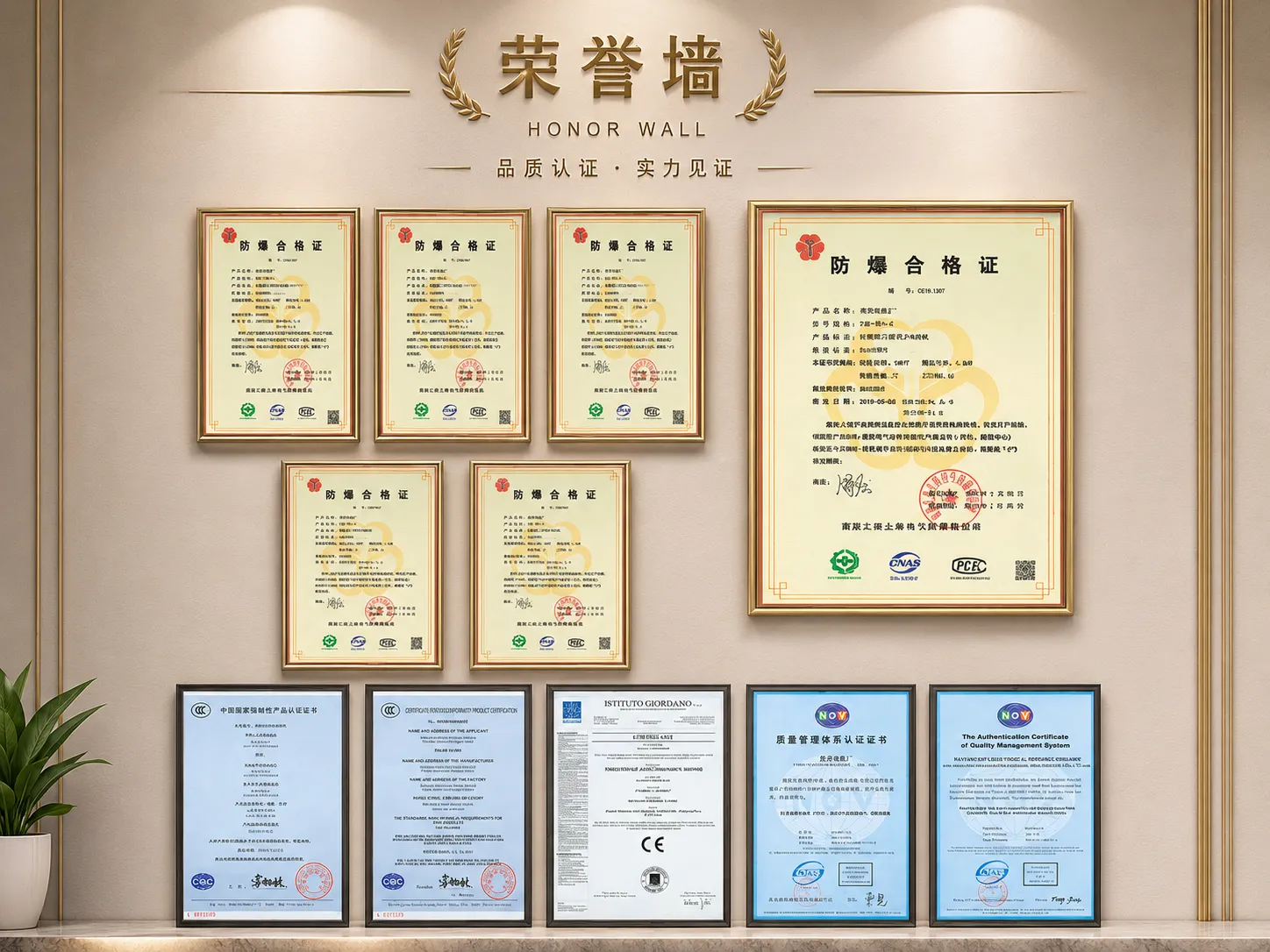
| Normy | ISO 9001 / CE |
Typické aplikácie pre závitovkové reduktory série S
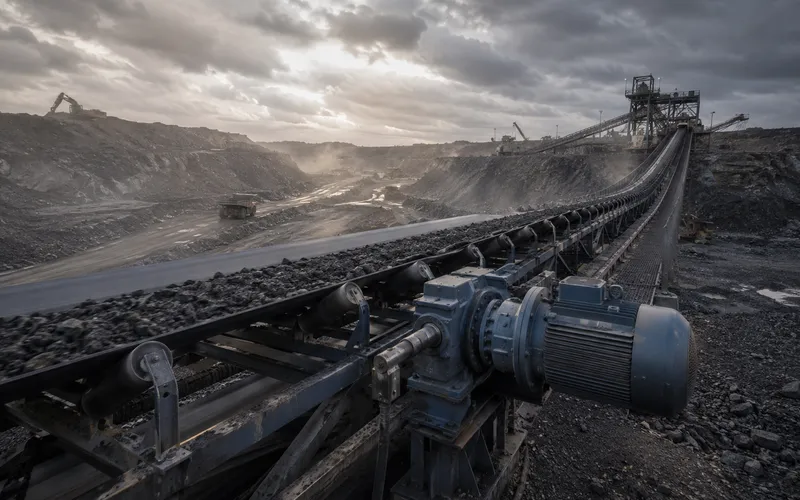
Pohony šikmých dopravníkov
Šikmé pásové dopravníky na manipuláciu s kamenivom, obilím a recyklovaným materiálom používajú reduktory série S, kde sa vyžaduje súčasne pravouhlá geometria a samosvorné uchytenie zaťaženia. Séria S s celkovým pomerom 50:1 drží zaťažený šikmý pás v pokoji, keď sa motor vypne, pričom spotrebuje o 20 až 251 TP3T menej energie ako jednostupňový závitovkový dopravník s rovnakým pomerom počas normálnej prevádzky.
|
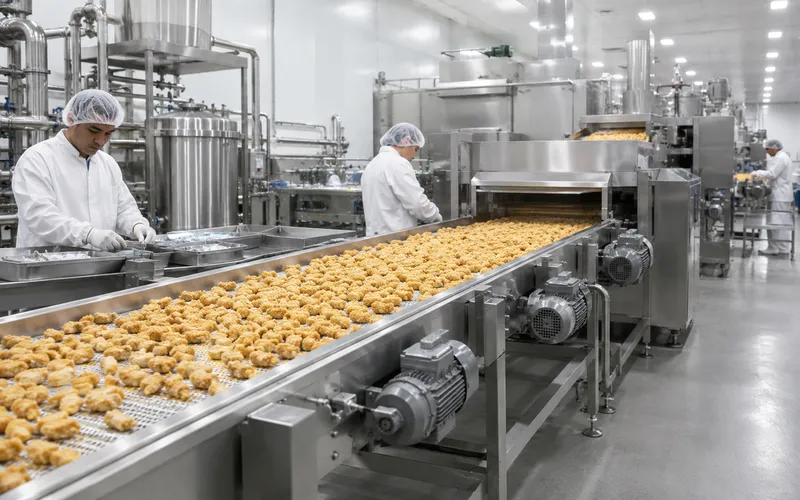
Mixéry na jedlo a nápoje
Miešačky cesta na pekárne, dávkové miešačky cukroviniek a miešačky mliečnych výrobkov používajú reduktory série S pre pohony pravouhlých miešadiel, kde je nižšia tvorba tepla špirálovým závitovkovým motorom v porovnaní s čistým... červ redukuje nárast teploty okolia v teplotne citlivých výrobných priestoroch a tam, kde samosvorné zariadenie zabraňuje spätnému otáčaniu obežného kolesa počas nakladania produktu.
|

Miešadlá pre chemické procesy
Miešadlá reaktorových nádob a pohony miešacích nádrží v chemických závodoch používajú reduktory série S, kde výstupný krútiaci moment presahuje strop 1 500 N·m závitovkových prevodoviek NMRV, ale aplikácia stále vyžaduje pravouhlu geometriu, samosvorný prevodový pomer a nižší prevádzkový hluk výstupu závitovkového stupňa z bronzu.
|
|
🔵
Polohovacie a bránové pohony
Veľké priemyselné pohony brán, mechanizmy stavidiel na priehradách a pohony ventilov používajú reduktory série S s vysokými prevodovými pomermi (100:1 až 244:1), kde je samosvorná charakteristika primárnou bezpečnostnou požiadavkou a brána alebo ventil musia držať polohu proti hydraulickému alebo pneumatickému zaťaženiu bez samostatnej brzdy, keď je motor bez napájania.
|
🎏
Otočné stoly pre baliace stroje
Rotačné indexovacie stoly a pohony otočných stolov na baliacich a paletizačných strojoch používajú reduktory série S pre ich pravouhlu kompaktnú geometriu, udržanie indexovacej polohy (samosvor) a plynulý výstupný pohyb, ktorý vytvára kombinovaný záber špirálového závitovkového systému, ktorý má pri rovnakom prevodovom pomere nižšie zvlnenie výstupného krútiaceho momentu ako jednostupňový závitovkový systém.
|
⚙
Pohony navíjania textilu
Pohony na navíjanie cievky priadze a posuvné pohony vedenia nite používajú reduktory série S pre kombináciu presnej nízkej výstupnej rýchlosti, tichého výstupu závitovkového bronzového pletiva a samosvorného mechanizmu pri vysokých prevodových pomeroch, ktorý zabraňuje uvoľneniu napnutia navíjacieho vretena, keď je motor zastavený medzi cievkami.
|
Štyri rodiny prevodoviek: Výber správneho typu pre vašu aplikáciu
RV / NMRV Worm – kompaktný pravouhlý, nízky výkon
Najlepšia voľba pre príkon pod 3 kW a výstupný krútiaci moment pod 1 500 N·m, kde sú prioritou kompaktné rozmery, nízka obstarávacia cena a samosvornosť nad 30:1 a energetická účinnosť je druhoradá. Použitie: pohony malých dopravníkov, motory brán, pomocné pohony baliacich strojov, malé miešadlá. Nie je vhodné pre vysokovýkonnú nepretržitú prevádzku nad 5 kW kvôli tepelným obmedzeniam závitovkového záberu pri vyššom výkone.
Špirálová prevodovka série S – pravouhlá, samosvorná, stredný výkon
Najlepšia voľba od 2 kW do 75 kW, kde sa vyžaduje pravouhlá geometria a samosvor, výstupný krútiaci moment presahuje 1 500 N·m a je potrebná lepšia účinnosť ako pri čistom závitovkovom dopravníku. Použitie: šikmé dopravníky, pohony veľkých brán a stavidiel, miešadlá potravín a chemikálií, polohovacie otočné stoly. Séria S vypĺňa medzeru medzi závitovkou NMRV a kužeľovitou špirálou série K pre pravouhlé pohony s požiadavkami na udržanie zaťaženia.
Kusovité rezné píly série K – pravouhlé, vysokoúčinné, pre vysoké zaťaženie
Najlepšia voľba nad 10 kW, kde je požadovaná pravouhlá geometria, ale nie je potrebné samosvorné ovládanie (alebo brzda motora zabezpečuje držanie záťaže) a kde sú hlavnými hnacími silami vysoký výstupný krútiaci moment a vysoká účinnosť. Použitie: pohony ťažkých hnacích a zadných častí dopravníkov, pohony žeriavov, bočné miešadlá, hlavné prevodovky extrudérov, pohony pastorkov pecí. Maximálny výstupný krútiaci moment 50 000 N·m výrazne prevyšuje akúkoľvek alternatívu so závitovkou alebo špirálovou závitovkou.
Často kladené otázky – Špirálovitý závitovkový reduktor série S
Vyžiadajte si cenovú ponuku na závitovkové reduktory série S
Uveďte veľkosť, prevodový pomer, požiadavku na samosvor, typ výstupného hriadeľa, rám motora a prevádzkové zaťaženie. Získajte informácie o našej výrobe na O nás stránka.
Upravil Cxm
Ďalšie informácie
| Redaktor | Cxm |
|---|