Y2EJ-sarjan 4-napainen sähkömagneettinen jarrumoottori
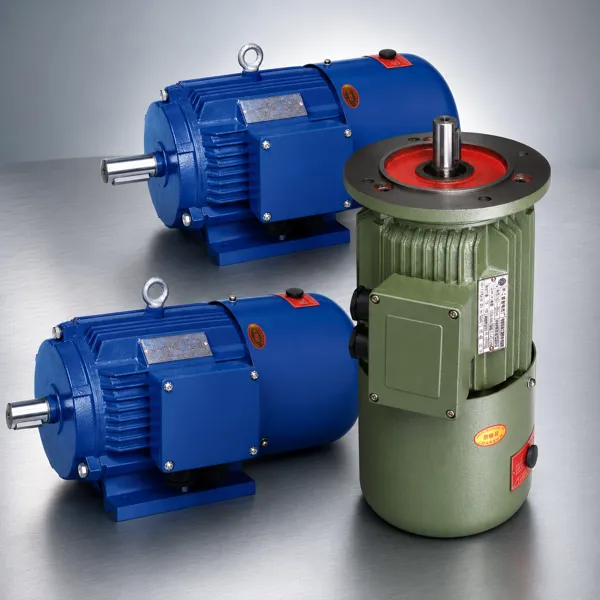
Nelinapainen oikosulkumoottori, jossa on integroitu tasavirtasähkömagneettinen levyjarru. Moottorin kierrosluku on noin 1400 rpm ja pysäyttää moottorin nopeasti virtakatkoksen sattuessa. Y2EJ-sarjan yleisimmin käytetty napakonfiguraatio – vakiospesifikaatio nostimille, kalteville kuljettimille ja työstökoneille, joissa vaaditaan kohtuullista nopeutta, suurta vääntömomenttia ja vikasietoista jarrutusta.
Teho: 0,12–22 kW
Rungot: 63–180L
Jarru: DC-jousijarru
Suojausluokka: IP54
Eristys: Luokka F
Nostimien, hissien ja kaltevien kuljettimien vakiojarrumoottori
Y2EJ-nelinapainen jarrumoottori on Y2EJ-sarjan laajimmin määritelty malli, koska 1400 rpm on luonnollinen käyttönopeus useimmille nostin- ja kuljetinsovelluksille. Tällä nopeudella vaihteiston välityssuhteet 10:1 - 40:1 antavat kuormanopeuksia 35–140 m/min välillä, mikä kattaa useimmat lavakuljettimet, pysäköintihallinostimet ja materiaalinostimet. Nelinapaisen käämityksen suurempi vääntömomentti verrattuna kaksinapaiseen samalla teholla pienentää myös tarvittavaa vaihteiston välityssuhdetta, mikä mahdollistaa pienemmän ja kevyemmän vaihteistorungon koko käyttökokoonpanossa.
Integroitu jousivoimalla toimiva tasavirtajarru toimii samalla tavalla kuin kaksinapainen versio, mutta sen pysäytysaika on hieman pidempi (jopa 0,2 sekuntia verrattuna kaksinapaisen version 0,1 sekuntiin), koska roottorin alhaisempi nopeus tarkoittaa, että jousen puristamiseen kitkatyynyn läpi on käytettävissä vähemmän liike-energiaa. Tällä pienellä erolla ei ole käytännön merkitystä nostin- ja kuljetinsovelluksissa, joissa kuorma pidetään staattisesti jarrulla sen sijaan, että se hidastettaisiin nollaan dynaamisesti.
Runkokoot vaihtelevat 63M:stä 180L:ään, ja ne kattavat 0,12 kW:sta 22 kW:iin. Kaikissa malleissa on sama jarruarkkitehtuuri: DC 205 V sähkömagneettikela, säädettävä jousen esijännitys, vaihdettava kitkalevy ja valinnainen manuaalinen jarrun vapautusvipu. Jarrukotelo on suljettu pidennettyyn N-pään suojaan ja sen kotelointiluokka on IP54 osana moottorikokoonpanoa.
Katso koko jarrumoottorivalikoima osoitteesta Sähkömagneettiset jarrumoottorit sivulta tai katso sopivat vaihteistovaihtoehdot kohdasta Matovaihteiden alennusvaihteet osio.
Y2EJ 4-napaisen mallin tekniset tiedot
Kaikki 4-napaiset mallit: ~1400 rpm, 380 V 50 Hz, IP54, luokan F eristys. Jarrujännite: DC 205 V (tasasuuntattu 380 V AC -syötöstä).
| Malli | Kehys | kW | Täysi kuorma A | η % | cosφ | Jarrumomentti (Nm) | Pysäytysaika (s) | kg |
|---|---|---|---|---|---|---|---|---|
| Y2EJ63M1-4 | 63 miljoonaa | 0.12 | 0.50 | 55.0 | 0.68 | 1.2 | < 0,20 | 7.8 |
| Y2EJ63M2-4 | 63 miljoonaa | 0.18 | 0.72 | 58.0 | 0.70 | 2.0 | < 0,20 | 8.5 |
| Y2EJ71M1-4 | 71 miljoonaa | 0.25 | 0.96 | 61.0 | 0.71 | 3.0 | < 0,20 | 11.5 |
| Y2EJ71M2-4 | 71 miljoonaa | 0.37 | 1.38 | 63.5 | 0.72 | 4.0 | < 0,20 | 13.0 |
| Y2EJ80M1-4 | 80 miljoonaa | 0.55 | 1.90 | 67.0 | 0.74 | 6.0 | < 0,20 | 19.0 |
| Y2EJ80M2-4 | 80 miljoonaa | 0.75 | 2.40 | 70.0 | 0.75 | 8.0 | < 0,20 | 21.5 |
| Y2EJ90S-4 | 90-luvun | 1.1 | 3.38 | 73.5 | 0.76 | 10.0 | < 0,20 | 30.5 |
| Y2EJ90L-4 | 90 litraa | 1.5 | 4.48 | 75.5 | 0.77 | 13.0 | < 0,20 | 36.0 |
| Y2EJ100L1-4 | 100 litraa | 2.2 | 6.00 | 78.0 | 0.78 | 18.0 | < 0,20 | 50.0 |
| Y2EJ100L2-4 | 100 litraa | 3.0 | 7.88 | 80.0 | 0.79 | 22.0 | < 0,20 | 58.0 |
| Y2EJ112M-4 | 112 miljoonaa | 4.0 | 9.90 | 82.5 | 0.80 | 30.0 | < 0,20 | 72.0 |
| Y2EJ132S-4 | 132S | 5.5 | 12.60 | 84.5 | 0.81 | 40.0 | < 0,20 | 96.0 |
| Y2EJ132M-4 | 132 miljoonaa | 7.5 | 16.80 | 86.5 | 0.82 | 55.0 | < 0,20 | 116.0 |
| Y2EJ160M-4 | 160 miljoonaa | 11 | 23.80 | 87.5 | 0.83 | 80.0 | < 0,20 | 172.0 |
| Y2EJ160L-4 | 160 litraa | 15 | 31.80 | 88.5 | 0.83 | 100.0 | < 0,20 | 202.0 |
| Y2EJ180L-4 | 180 litraa | 22 | 45.20 | 89.5 | 0.84 | 150.0 | < 0,20 | 265.0 |
Moottorin ja jarrun kunto
| Ympäristön lämpötila | −15 °C - +40 °C |
| Moottorin syöttö | 380 V 50 Hz 3-vaiheinen |
| Jarrujen syöttö | DC 205 V (tasasuuntaajasta) |
| Jarrutusvaikutus | Jousikiinnitteinen / EM-vapautettava |
| Jarrun kytkeytymisaika | < 0,2 sekuntia |
| Suojaus | IP54 (moottori ja jarru) |
| Eristysluokka | F-luokka |
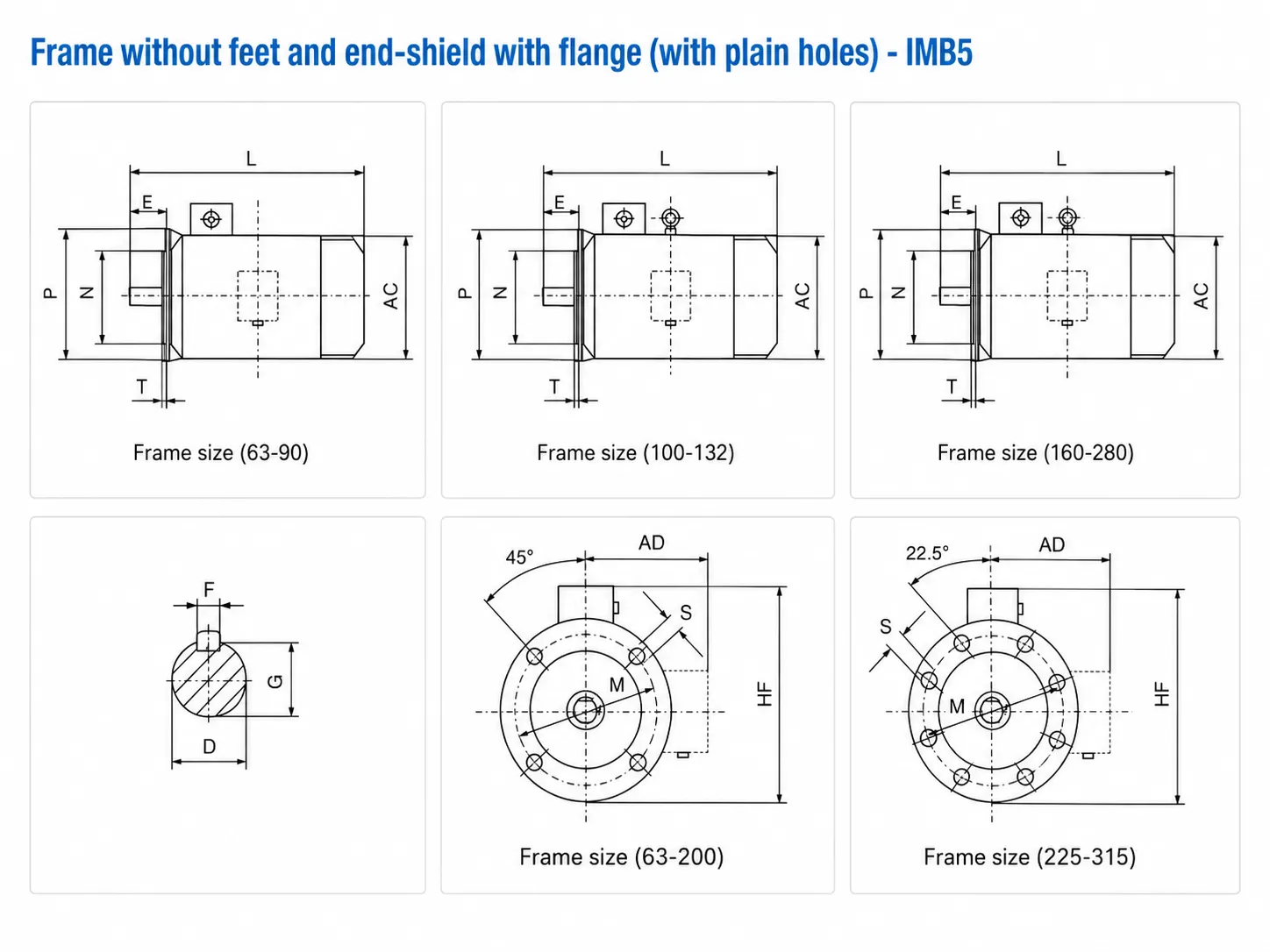
| Asennus | IMB3 / IMB5 / IMB35 |
| Manuaalinen jarrun vapautus | Vipu (valinnainen) |
Standardit ja sertifioinnit
| Moottorin suunnittelu | IEC 60034 |
| Jarrustandardi | IEC 60947-4 |
| Rungon mitat | IEC 72-1 |
| Suojausluokitus | IEC 60529 |
| Laadunhallinta | ISO 9001 |
| Merkintä | CE-koodi |
| puolalaiset | 4-napainen |
| Käyttöjakso | S1 / S3 (syklinen) |
Tyypillisiä Y2EJ 4-napaisten jarrumoottoreiden sovelluksia
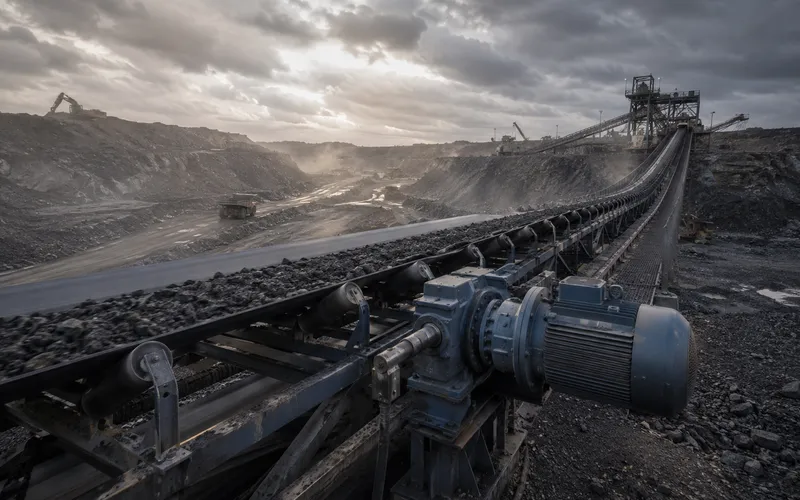
Kaltevat hihnakuljettimet
Irtomateriaalia tai yksikkökuormia kuljettavissa kaltevissa kuljettimissa käytetään nelinapaista jarrumoottoria estämään kuormitetun hihnan takaisinrullautuminen virtakatkoksen sattuessa. Jousijarru pitää täyden kuormituksen omaavan hihnan painon paikallaan ilman hydraulisia tai pneumaattisia varajärjestelmiä, mikä yksinkertaistaa asennusta ja vähentää huoltotarvetta.
|

Materiaalinostimet
Varastoissa ja työpajoissa käytettävissä köysi- ja ketjunostimissa käytetään nelinapaista jarrumoottoria, koska se tarjoaa kohtuullisen nostonopeuden, suuren vääntömomentin ja välittömän kuormanpidon yhdistelmän, jota riippuvan kuorman turvallisuusmääräykset useimmissa lainkäyttöalueissa edellyttävät.
|
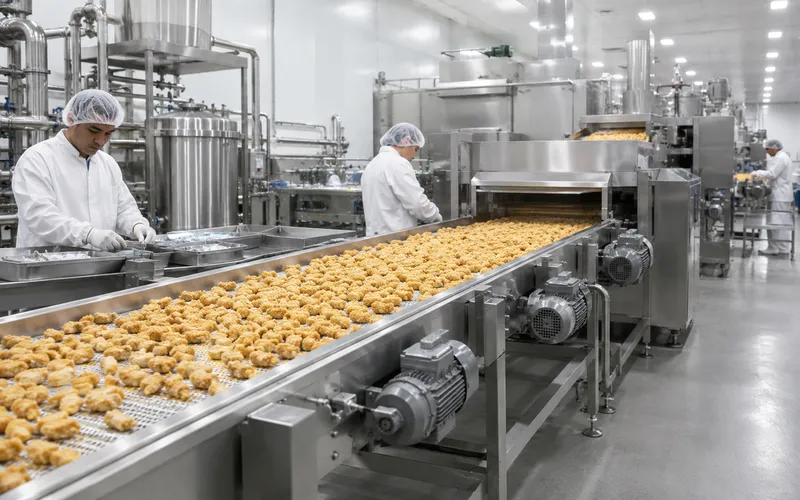
Ruokalinjan sijoittelu
Elintarviketuotantolinjojen pystysuuntaisissa nostimissa ja siirtoporteissa käytetään jarrumoottoreita pitämään tuotteita kuljettavat alustat ja portit paikoillaan täyttö- tai tarkastustoimintojen aikana, mikä poistaa tarpeen erillisille mekaanisille lukituslaitteille, jotka vaatisivat puhdistusta ja sertifiointia.
|
|
🏗
Pysäköintihallin hissit
Automaattiset pysäköintihallin tasot ja palapelipysäköintijärjestelmät käyttävät 4-napaisia jarrumoottoreita sekä vaakasuorassa että pystysuorassa nostoakseleissa, ja integroitu jarru tarjoaa pysäköintihallin turvallisuusstandardien edellyttämän vikasietoisen tasolukituksen ilman erillistä lukitustappimekanismia.
|
🛠
Konetyökalupöydät
Pystyjyrsinpöydän Z-akselikäytöt ja säteittäisvarsisten porapylväiden käyttölaitteet käyttävät jarrumoottoreita pitämään pään työstöasennossa leikkauskuormituksen alaisena ilman erillistä puristinta, mikä mahdollistaa nopean uudelleenasemoinnin ja uudelleenkytkennän tuotantokoneistussykleissä.
|
🏢
Lava- ja riggauslaitteet
Teattereiden nostopuomit, konserttitelineiden nostolaitteet ja lavanostimet käyttävät riippuvien kuormien käyttöön sertifioituja jarrumoottoreita, joissa vikasietoinen jousijarru on viihdeteollisuuden turvallisuusmääräysten mukainen vaatimus yläpuolisille mekaanisille järjestelmille.
|
Miksi 4-napainen versio on Y2EJ-sarjan tarkimmin määritelty jarrumoottori
Vääntömomentin ja nopeuden yhteensovitus nostovaihteistoille
Useimmat nostovaihteistot on suunniteltu 1000–1500 rpm:n tulonopeuksille. 4-napainen moottori 1400 rpm:n nopeudella sijaitsee tämän alueen keskellä, mikä antaa vaihteiston suunnittelijalle maksimaalisen joustavuuden välityssuhteen valinnassa. 2-napainen moottori 2800 rpm:n nopeudella vaatii suuremman vaihteiston välityssuhteen samalla lähtönopeudella, mikä lisää vaihteiston kokoa ja kustannuksia. 6-napainen moottori 960 rpm:n nopeudella tarjoaa suuremman tulovääntömomentin, mutta rajoittaa vakioluettelovaihteistojen suurinta välityssuhdealuetta. 4-napainen moottori on siksi luonnollinen valinta laajimpaan valikoimaan luettelon nosto- ja vaihdemoottoriyhdistelmiä.
Jarrumomentti ja kuorman hitausmomentti
Teknisissä tiedoissa ilmoitettu jarrutusmomentti on jarrulevyn moottorin akselille kohdistama vääntömomentti. Vaihteiston kautta tämä muuttuu paljon suuremmaksi jarrutusmomentiksi kuorman akselilla: 55 Nm:n jarrutusmomentti moottorin akselilla muuttuu 550 Nm:ksi kuorman akselilla 10:1-vaihteiston kautta. Tämä vaihteiston kertolasku tarkoittaa, että suhteellisen pienet jarrumoottoriyksiköt voivat kannatella erittäin suuria kuormia, minkä vuoksi Y2EJ-sarja kattaa nostinsovellukset, jotka ylittävät selvästi pelkän moottorin tehon.
Käyttösuhde ja lämmönhallinta
Nostin- ja kuljetinsovelluksissa on tiheitä käynnistys-pysäytysjaksoja (S3-käyttö). Jokainen jarrutustapahtuma haihduttaa kineettistä energiaa lämpönä kitkalevypäällysteisiin jarruihin. 4-napainen moottori varastoi 1400 rpm:n nopeudella vähemmän kineettistä energiaa roottorin inertiayksikköä kohden kuin 2-napainen moottori 2800 rpm:n nopeudella, joten jarrulevyn lämpökuormitus pysäytystapahtumaa kohden on pienempi. Tämä tarkoittaa suoraan pidempää jarrupäällysteiden käyttöikää paljon syklejä vaativissa sovelluksissa ja harvempaa jarrulevyjen vaihtotarvetta intensiivisissä nostin- ja kuljetinsovelluksissa.


Usein kysytyt kysymykset — Y2EJ-sarjan 4-napainen jarrumoottori
Pyydä tarjous Y2EJ 4-napaisista jarrumoottoreista
Määritä teho (kW), vaadittu jarrumomentti, käyttösuhde ja kiinnitystapa. Lue lisää valmistuskyvystämme osoitteessa Tietoa meistä sivu.
Lisätiedot
| Toimittaja | Cxm |
|---|