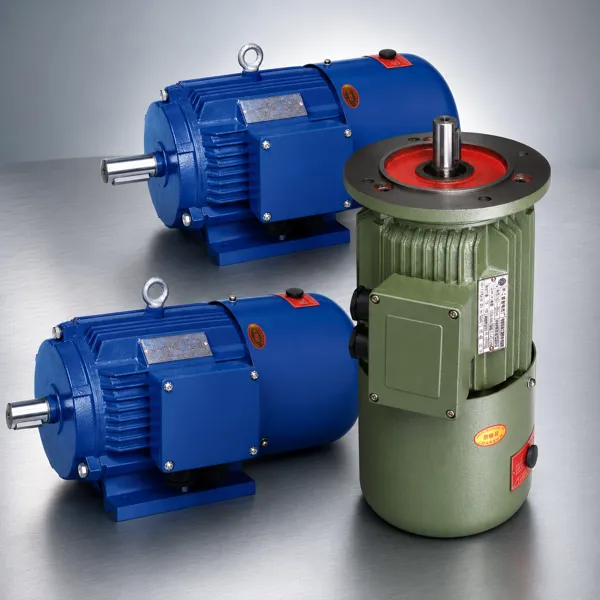
Y2EJ Series 2-Pole Electromagnetic Brake Motor

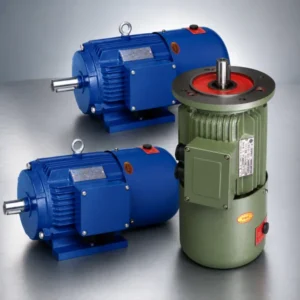
Two-pole squirrel-cage induction motor with integral DC electromagnetic disc brake, providing approximately 2800 rpm running speed and rapid positive stopping without a mechanical brake mechanism external to the motor. Spring-applied, electromagnetically released brake engages in under 0.1 seconds on power loss, making this the standard motor for hoists, conveyors, and machine tools where uncontrolled coasting is a safety hazard.

Speed: ~2800 rpm (2P)
Power: 0.12 – 15 kW
Frames: 63 – 160L
Brake: DC Spring-Applied
Protection: IP54
Insulation: Class F
カテゴリー:
2-Pole 2800 rpm
Integral DC Brake
Fail-Safe Spring-Set
Stop Time < 0.1 s
IEC 60034 Compliant
ISO 9001 Certified
Y2EJ Series 2-Pole Electromagnetic Brake Motor Korea Ever-Power
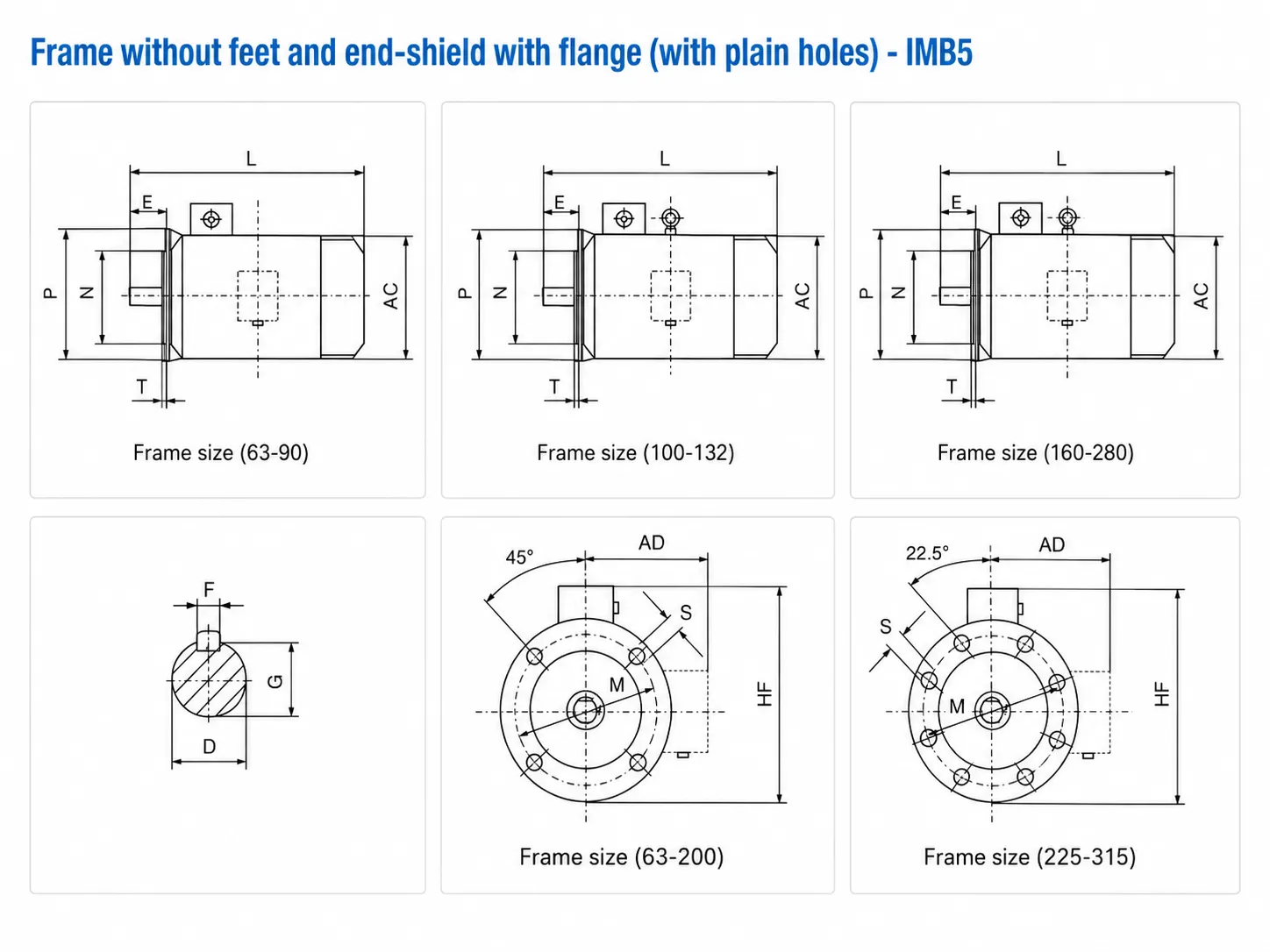
Y2EJ Motor IEC Mounting Methods IMB3 IMB5

Fail-Safe Integral Disc Brake for Positive Load Holding at 2800 rpm

The Y2EJ 2-pole brake motor combines a standard Y2-platform stator and rotor with a DC electromagnetic disc brake mounted on the non-drive end, enclosed within an extended end-shield that maintains the overall motor IP54 rating. The brake is spring-applied and electromagnetically released: springs hold the friction disc against the rotor hub flange at all times except when DC current energises the electromagnet coil, which compresses the springs and lifts the friction disc to allow free rotation.

This fail-safe arrangement means power loss automatically applies the brake, stopping and holding the load without any external brake signal or control action. This is the critical safety feature for suspended loads (hoists, vertical axis conveyors), inclined conveyors, and machine tools where a freely coasting motor shaft could cause injury or product damage. The brake engages in under 0.1 seconds from power interruption across all frame sizes in the range.

The 2-pole Y2EJ runs at approximately 2800 rpm, making it suited to high-speed cycle applications such as packaging machine indexers, textile winders, and rapid-cycle conveyor sorters where fast stopping and immediate restart are both required within the cycle. Brake torque is adjustable by changing the number of compression springs, allowing the brake holding torque to be matched to the load without changing the motor.

View the full brake motor range on the Electromagnetic Brake Motors page, or explore standard motors without integral brake in the Three-Phase Induction Motors section.

Y2EJ 2-Pole Model Specifications

All 2-pole models: ~2800 rpm, 380 V 50 Hz, IP54, Class F insulation. Brake voltage: DC 205 V (rectified from 380 V AC supply).

Model Frame kW Full-Load A η % cosφ Brake Torque (N·m) Stop Time (s) kg
Y2EJ63M1-2 63M 0.12 0.48 57.0 0.76 1.0 < 0.10 7.5
Y2EJ63M2-2 63M 0.18 0.68 60.0 0.77 1.5 < 0.10 8.0
Y2EJ71M1-2 71M 0.25 0.92 63.0 0.78 2.5 < 0.10 11.0
Y2EJ71M2-2 71M 0.37 1.28 65.5 0.79 3.0 < 0.10 12.5
Y2EJ80M1-2 80M 0.55 1.75 70.0 0.80 5.0 < 0.10 18.0
Y2EJ80M2-2 80M 0.75 2.30 73.0 0.81 6.0 < 0.10 20.0
Y2EJ90S-2 90S 1.1 3.22 76.5 0.82 8.0 < 0.10 29.0
Y2EJ90L-2 90L 1.5 4.28 78.5 0.82 10.0 < 0.10 34.0
Y2EJ100L-2 100L 2.2 5.88 80.5 0.84 15.0 < 0.10 48.0
Y2EJ112M-2 112M 4.0 9.50 84.0 0.85 25.0 < 0.10 68.0
Y2EJ132S-2 132S 5.5 12.40 85.5 0.86 35.0 < 0.10 92.0
Y2EJ132M-2 132M 7.5 16.60 87.0 0.87 45.0 < 0.10 110.0
Y2EJ160M-2 160M 11 23.20 88.0 0.88 70.0 < 0.10 165.0
Y2EJ160L-2 160L 15 31.20 89.0 0.88 90.0 < 0.10 195.0

Motor and Brake Conditions

Ambient temperature −15 °C to +40 °C
Motor supply 380 V 50 Hz 3-phase
Brake supply DC 205 V (from rectifier)
Brake action Spring-applied / EM-released
Brake engage time < 0.1 s
Protection IP54 (motor and brake)
Insulation class Class F
Mounting IMB3 / IMB5 / IMB35
Manual brake release Lever (optional)

Standards and Certifications

Motor design IEC 60034
Brake standard IEC 60947-4
Frame dimensions IEC 72-1
Protection rating IEC 60529
Quality management ISO 9001
Marking CE
Poles 2-pole
Duty cycle S1 / S3 (cyclic)

Typical Applications for Y2EJ 2-Pole Brake Motors

Y2EJ 2-Pole Brake Motor Textile Winder Application

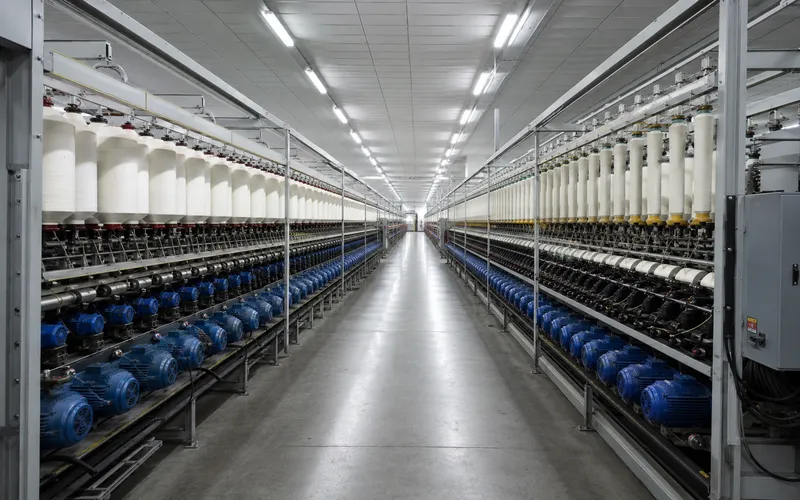
Textile Winding Machines
High-speed yarn winders and bobbin winders use the 2-pole brake motor for rapid positioning stops at each traverse reversal. The fast brake engagement prevents yarn overrun and tangling, reducing waste on fine-count yarns where even short overrun is unacceptable.
Y2EJ 2-Pole Brake Motor Packaging Machine Application

Packaging Indexers
Rotary indexing tables and pick-and-place units on packaging lines require rapid precise stops at each station. The 2-pole brake motor provides both the high rotational speed for short station dwell times and the fast positive stop for accurate positioning without an external brake caliper.
Y2EJ 2-Pole Brake Motor Printing Machine Application

Printing Press Safety
Sheet-fed offset and flexographic presses use brake motors on feeder and delivery sections where an E-stop must halt the web immediately. The fail-safe spring-set brake prevents sheet advancement on loss of power, avoiding press damage and waste.
🛠
Machine Tool Spindles
Drilling and tapping machines use the 2-pole brake motor to halt the spindle rapidly when the tool reaches the programmed depth, preventing thread stripping on blind tapped holes and reducing cycle time through faster spindle stop.
📚
Conveyor Safety Stops
Inclined and overhead conveyors in warehouses and manufacturing plants use brake motors as a safety interlock: power loss automatically brakes the conveyor, preventing load rollback on inclined sections and protecting personnel from moving-belt hazards.
🚢
Stirrer and Mixer Holding
Overhead stirrers on chemical reactors and mixing vessels use the brake motor to hold the stirrer shaft stationary during batch transfer, preventing shaft descent when the motor is de-energised and the stirrer impeller weight would otherwise cause it to rotate slowly.

How the Integral DC Electromagnetic Brake Works

Released State (Motor Running)

When the motor is energised, the brake rectifier simultaneously supplies DC current to the electromagnet coil inside the brake housing. The electromagnetic field attracts the armature plate, compressing the return springs and lifting the friction disc away from the rotor hub flange. The motor shaft rotates freely with zero brake drag torque. The gap between the friction disc and the rotor hub is factory-set to 0.2 to 0.3 mm and is adjustable via the air-gap adjustment ring.

Applied State (Power Off or E-Stop)

When power is interrupted — either by normal stop, E-stop, or power failure — the DC current collapses and the electromagnet releases the armature plate. The return springs push the friction disc against the rotor hub flange with a clamping force determined by the spring preload. Friction between the disc lining and the rotor hub generates a braking torque that decelerates the rotor. The rotor stops and is held stationary by the spring clamping force with no electrical energy input required.

Brake Wear and Adjustment

The friction disc lining wears progressively with each braking cycle. As the lining thickness reduces, the air gap between the friction disc and rotor hub increases, eventually causing a reduction in braking torque and longer stopping distances. The air-gap adjustment ring on the outside of the brake housing allows the gap to be restored to the 0.2 to 0.3 mm factory setting without dismounting the motor. Lining wear can be monitored visually through the inspection window. Replacement friction disc kits are available from Korea Ever-Power for all frame sizes.

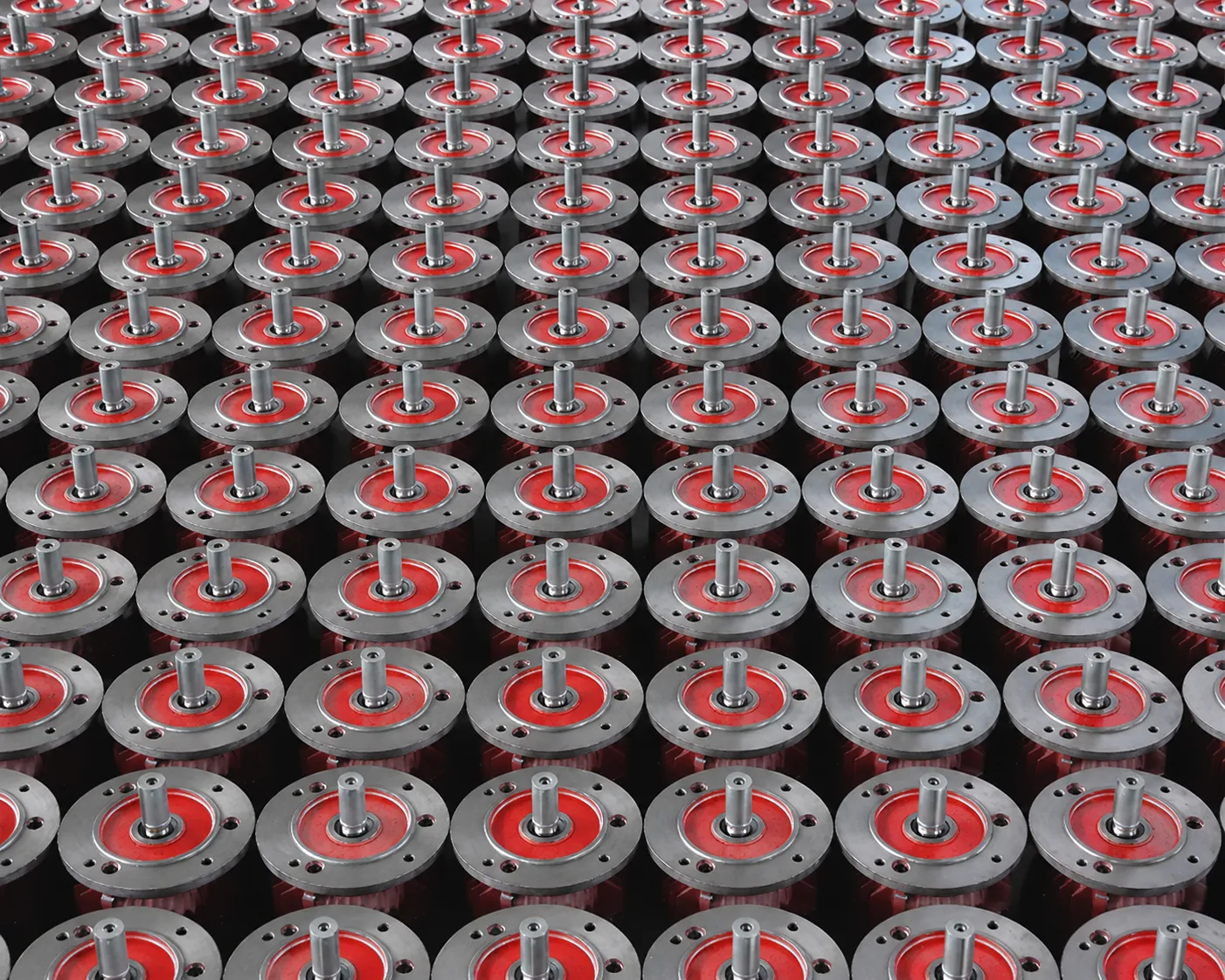
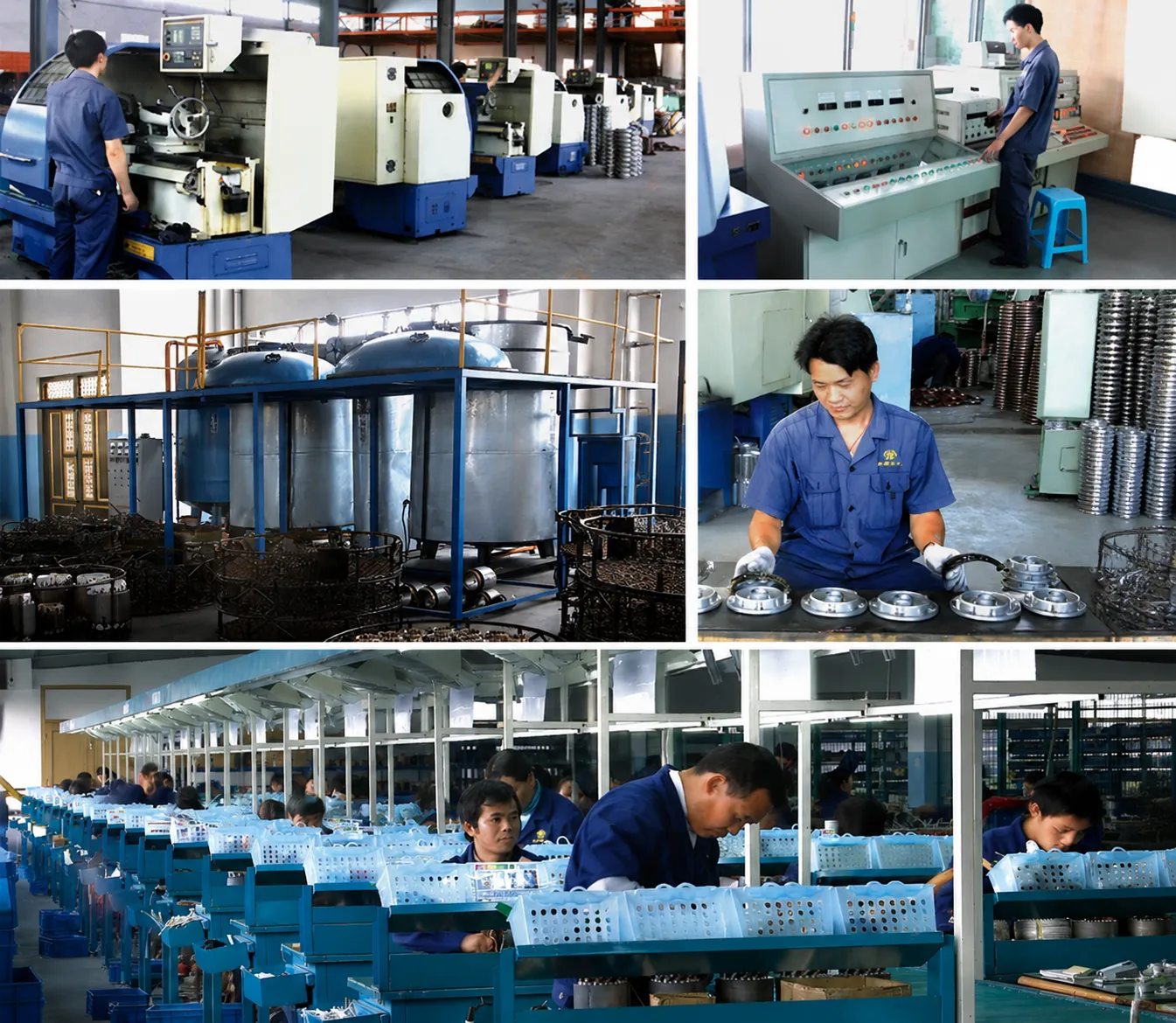
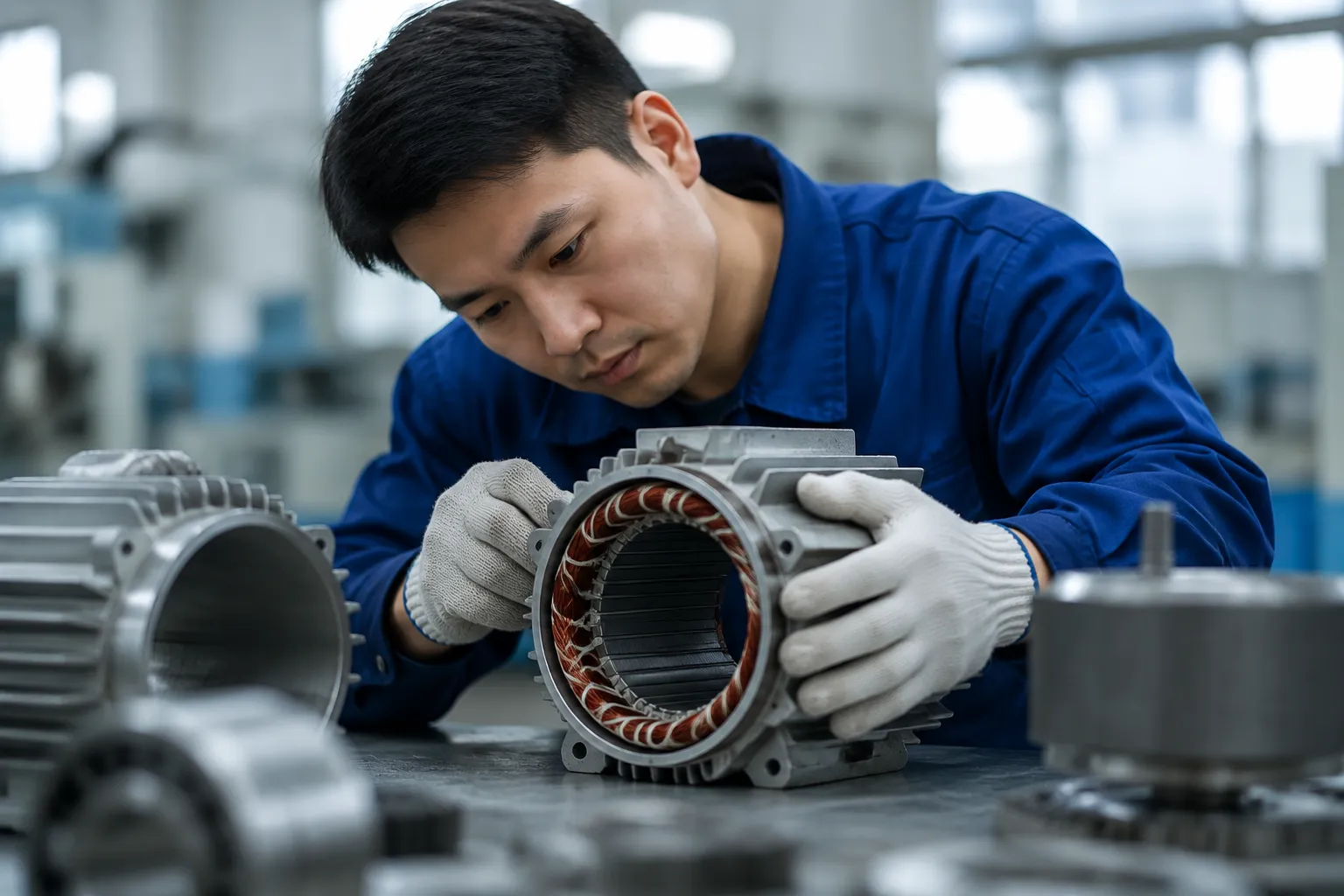
Korea Ever-Power Rotor Production

Rotor Production Line

Korea Ever-Power CNC Machining

CNC Machining Centre

Korea Ever-Power QC Inspection

QC Inspection

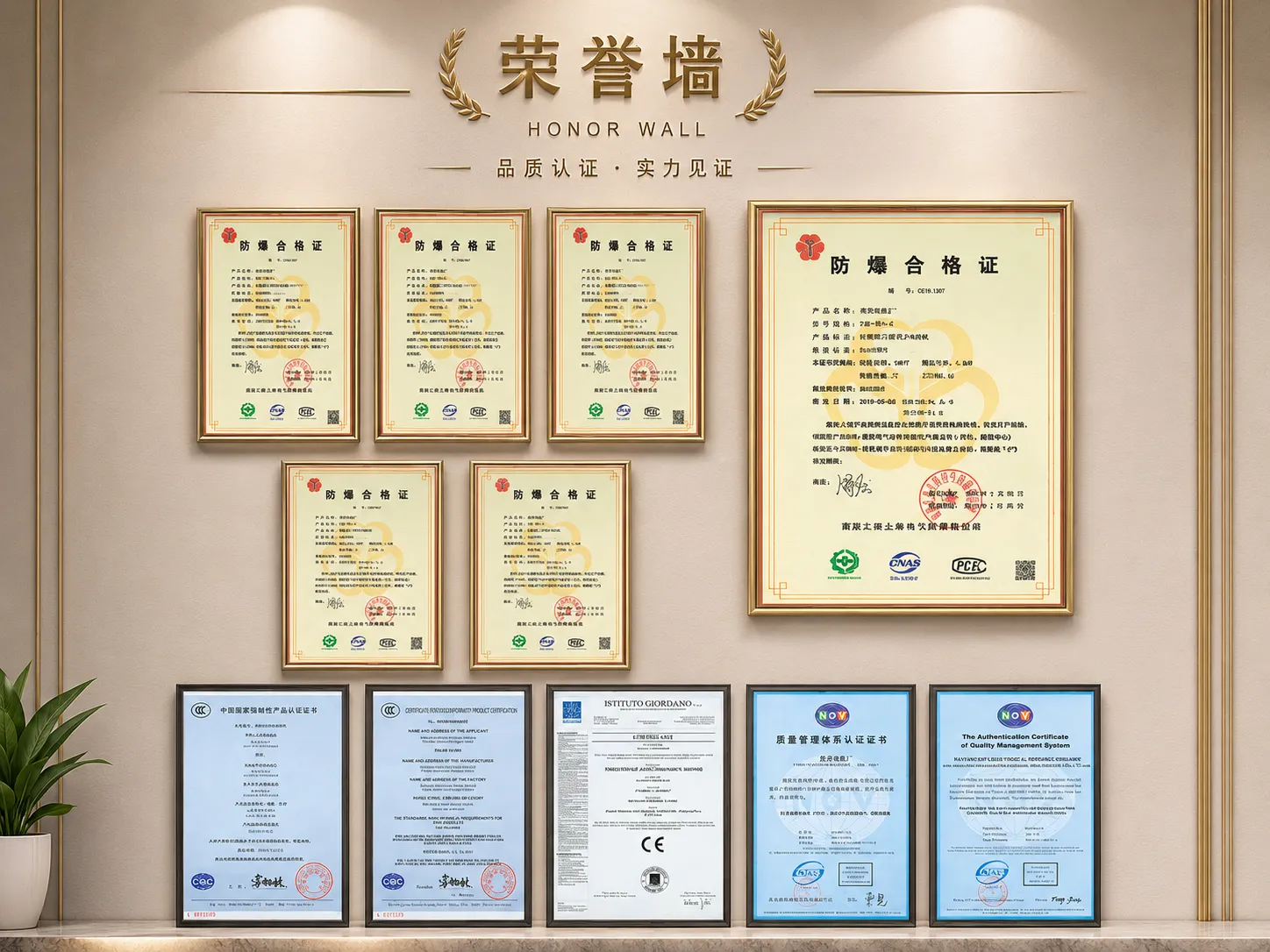
Korea Ever-Power Certifications CE ISO

CE and ISO Certifications

Frequently Asked Questions — Y2EJ Series 2-Pole Brake Motor

Does the brake require a separate power supply?
No. The brake rectifier is built into the motor terminal box. It taps the motor supply voltage (380 V 50 Hz) and rectifies it to approximately 205 V DC for the brake coil. No separate DC power supply is required. The rectifier is connected in parallel with the motor terminals, so it activates and deactivates simultaneously with the motor supply. A separate brake release signal is available on the terminal strip for applications requiring the brake to be released independently of the motor.
Can the brake torque be adjusted in the field?
Yes. The braking torque is determined by the preload of the compression springs, which can be adjusted by adding or removing springs from the spring pockets around the armature plate. Removing springs reduces braking torque; adding springs (up to the maximum number specified in the manual) increases braking torque. This adjustment requires removing the brake end-cover and is typically performed during commissioning to match the stopping distance requirement to the application duty cycle.
What is the expected brake disc life in braking cycles?
Brake disc lining life depends on braking energy per cycle, cycle frequency, and ambient temperature. For a typical 0.75 kW 2-pole motor stopping from full speed under rated load, brake disc life is approximately 2 to 3 million braking cycles under normal operating conditions. High-frequency cycling (more than 60 starts per hour), high inertia loads, or elevated ambient temperatures reduce lining life proportionally. Korea Ever-Power recommends inspection of the lining thickness every 500,000 cycles or annually, whichever comes first.
Is a manual brake release available for maintenance purposes?
Yes. An optional manual brake release lever can be factory-fitted or field-retrofitted on all Y2EJ frame sizes. The lever pivots to manually compress the return springs and release the friction disc from the rotor hub, allowing the shaft to be rotated by hand for maintenance alignment, coupling fitting, or jog positioning without energising the motor. The lever must be released before the motor is restarted to restore normal brake function.
Why is the 2-pole version preferred for packaging and textile applications over the 4-pole?
The 2-pole motor runs at twice the shaft speed of a 4-pole motor for the same frame size, which means it produces more cycles per unit time in indexing and winding applications. In packaging machines where 60 to 120 index cycles per minute are required, the 2-pole motor with gearbox reduction gives a more compact and lower-cost drivetrain than a 4-pole motor at the same output shaft speed. The faster stopping speed of the 2-pole motor also means the brake engages at higher kinetic energy, which is accommodated by the larger brake disc surface area used in 2-pole versions relative to 4-pole versions at the same power rating.
Can the Y2EJ brake motor be used with a VFD for speed control?
The standard Y2EJ can be operated with a VFD over a limited speed range (25 to 50 Hz) with the brake wired to the motor supply via the internal rectifier. However, for VFD duty at speeds below 25 Hz combined with brake function, the brake supply must be taken from a fixed 380 V 50 Hz source rather than the VFD output to ensure consistent DC rectified voltage. For full inverter-duty variable speed with integral brake, contact Korea Ever-Power for the YVF2-EJ combined variant which uses Class H insulation and external forced cooling alongside the integral brake assembly.

Request a Quote for Y2EJ 2-Pole Brake Motors

Specify frame size, power (kW), required brake torque, and mounting configuration. Learn about our factory and quality standards on the About Us page.

Contact Korea Ever-Power

追加情報

Editor

Cxm